Ujung Kulon National Park
A remote peninsula and island group at Java's western tip, holding the last wild population of the Javan rhinoceros.
Updated 18 October 2026
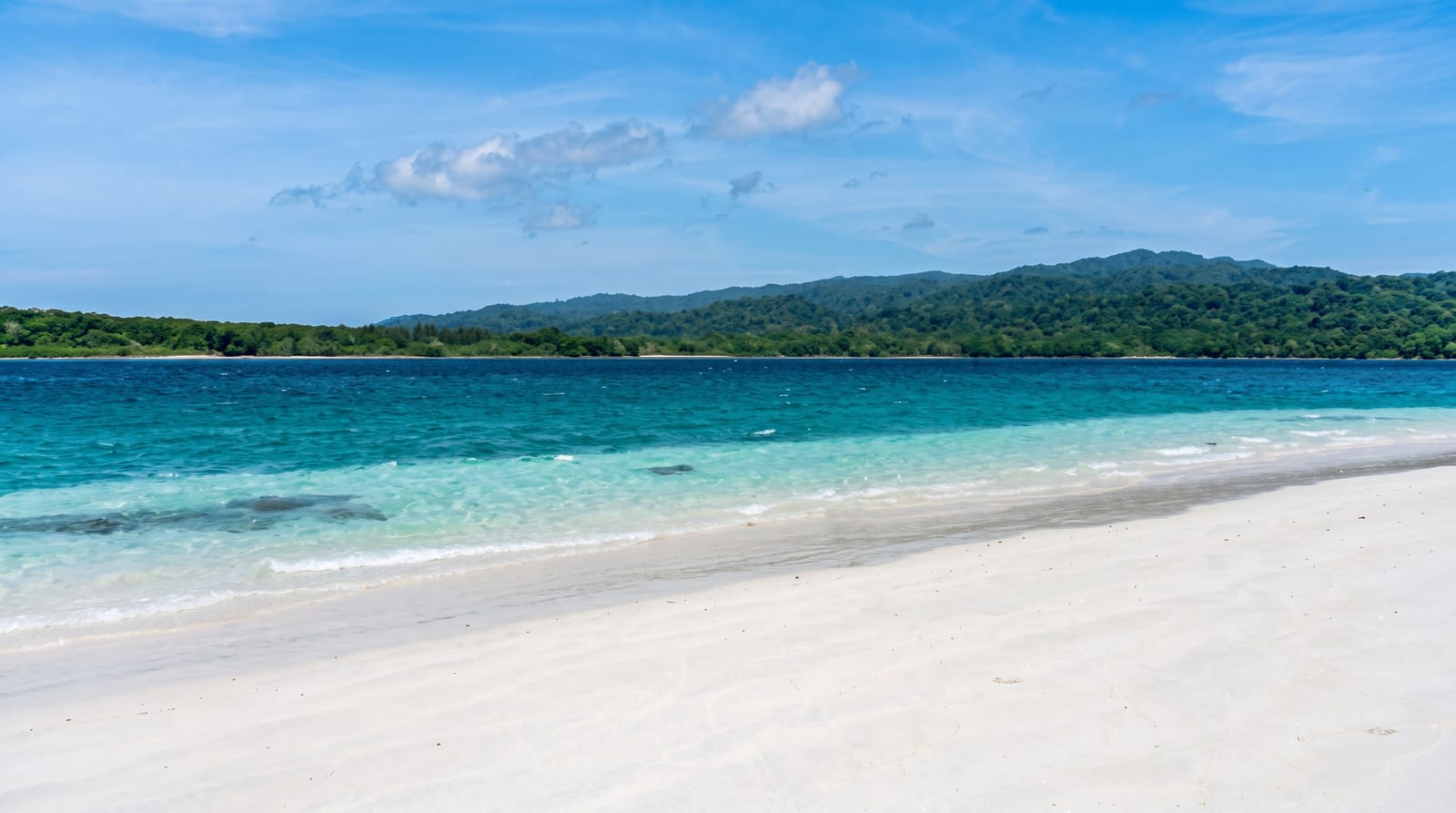
AI illustration
UNESCO World Heritage
Ujung Kulon occupies the far southwestern corner of Java, a low peninsula of rainforest, grazing lawns and mangrove creeks that is almost cut off by land. It is the only place where the Javan rhinoceros still lives in the wild, though the animals are shy, few in number and effectively never seen by visitors; the park's cameras do the watching. What people actually do here is stay on Peucang island, walk forest trails past long-tailed macaques and rusa deer, snorkel over reefs, and take a boat up the Cigenter river through mangroves. The World Heritage listing also takes in the Krakatau islands out in the Sunda Strait, which are visited on separate boat trips.
History
The Dutch-German botanist Franz Junghuhn introduced Ujung Kulon to the Western world on an expedition in 1846, but there are few written records of the area before the eruption of Krakatoa in 1883, whose tsunami, reported as 15 metres high, wrecked many of the peninsula's settlements, which were never completely rebuilt, and left an average of 30 centimetres of ash; the forest recovered quickly. Conservation began under the Dutch East Indies: Panaitan island was made a nature reserve in 1921 and joined with Peucang as a wildlife sanctuary in 1937, the southern part of the Honje range was added in 1967 and the northern part in 1979, and the area became a World Heritage Site in 1991 and a national park in 1992, Indonesia's first proposed national park; in 2005 it became an ASEAN Heritage Park. The name means western end in Banten Sundanese (Wikipedia, Ujung Kulon National Park).
What's there
- Peucang island - the main base, with a beach, forest trails and tame rusa deer on the lawns.
- Cigenter river - a canoe or boat trip up a mangrove creek into the forest.
- The grazing lawns - open clearings where deer and banteng cattle come out in the early morning.
- The reefs - snorkelling off Peucang and Handeuleum in calm conditions.
When to go
April to September gives the calmest crossings; in the wet season the Sunda Strait gets rough and boats are cancelled. Visits are normally two or three days because of the travel time, and everything has to be arranged in advance through the park office, including permits, boats and the simple guesthouses on Peucang.
Practical notes
You will not see a rhino. Almost nobody does, and any operator suggesting otherwise is selling something. Getting here is a long, tiring drive from Jakarta followed by a boat, and the accommodation on Peucang is basic with unreliable power. Costs add up quickly because boat charter is shared between a group. Sandflies on the beaches are a real nuisance.
Nearby
Carita and Anyer beaches lie up the coast, with Krakatau offshore.
Key facts
Source: Wikidata, item Q4522, read on 18 October 2026.
What to pack for Ujung Kulon National Park
Chosen from what this place is for. Tap a kit for the full checklist.
- Broken-in walking shoes or boots - Grip and ankle support matter more than looks; never hike in brand-new boots. Find on Amazon
- Reef-safe sunscreen - High SPF that will not bleach the coral you are swimming over. Find on Amazon
- Your own mask + snorkel - A well-fitting mask is the single biggest comfort upgrade underwater. Find on Amazon
- Quick-dry clothing - Board shorts or synthetics that shrug off spray and dry fast. Find on Amazon
Some links on this page are Amazon affiliate links - if you buy through them we may earn a small commission at no extra cost to you.
All packing kitsPlan your trip
Where to start if Ujung Kulon National Park is going on the list.
Booking links on this page are affiliate links - if you book through them we may earn a small commission at no extra cost to you. It never changes what we write about a place.
Opening times, ticket prices and seasonal closures change - check the official source before you go: official site.