Setu Babakan
A Betawi cultural village around a lake in south Jakarta, keeping the traditions of the city's own indigenous people.
Updated 29 August 2026
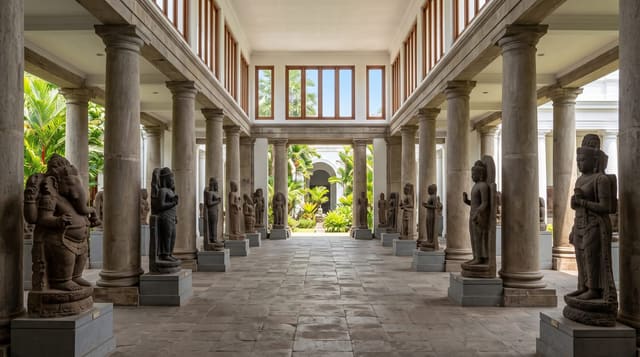
The Betawi are the indigenous people of Jakarta - a community formed in and around Batavia from Javanese, Sundanese, Malay, Balinese, Chinese, Arab and other populations over centuries, with their own dialect, food, music and customs - and they have been pushed steadily out of central Jakarta by development and cost. Setu Babakan, designated in 2000 around a lake in the far south of the city, is the attempt to hold on to that: a village where Betawi houses stand, gambang kromong and tanjidor ensembles play, lenong theatre and ondel-ondel giant puppets appear at weekends, and the food - kerak telor, soto Betawi, bir pletok - is cooked and sold. A cultural centre explains the community's history. It is a working neighbourhood as well as a designated zone.
What you'll find
- Betawi houses - the traditional forms of Jakarta's indigenous community.
- Ondel-ondel and gambang kromong - the giant puppets and the mixed-instrument ensembles.
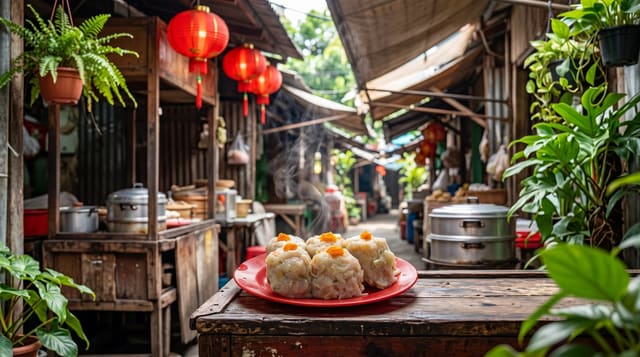
- Betawi food cooked on site - kerak telor, soto Betawi and bir pletok.
- A lake and village - the designated zone in the far south of the city.
When to go
All year; weekends for performances. Half a day.
What to expect
Performances happen mainly at weekends - a weekday visit is quiet. It is a long way from central Jakarta. It is a real neighbourhood, so behave accordingly, and it is not a polished attraction.
Nearby
Depok is south; central Jakarta is an hour or more north depending on traffic.
What to pack for Setu Babakan
Chosen from what this place is for. Tap a kit for the full checklist.
- Comfortable walking shoes - Sightseeing means kilometres of pavement and cobbles daily. Find on Amazon
- A slim anti-theft daypack - Zips that close properly; keep it in front in crowds and on transit. Find on Amazon
- A refillable water bottle - Many cities have public fountains; save money and plastic. Find on Amazon
- A light layer + compact umbrella - For museum air-con and a sudden shower. Find on Amazon
Some links on this page are Amazon affiliate links - if you buy through them we may earn a small commission at no extra cost to you.
All packing kitsPlan your trip
Where to start if Setu Babakan is going on the list.
Booking links on this page are affiliate links - if you book through them we may earn a small commission at no extra cost to you. It never changes what we write about a place.
Opening times, ticket prices and seasonal closures change - check the official source before you go: official site.