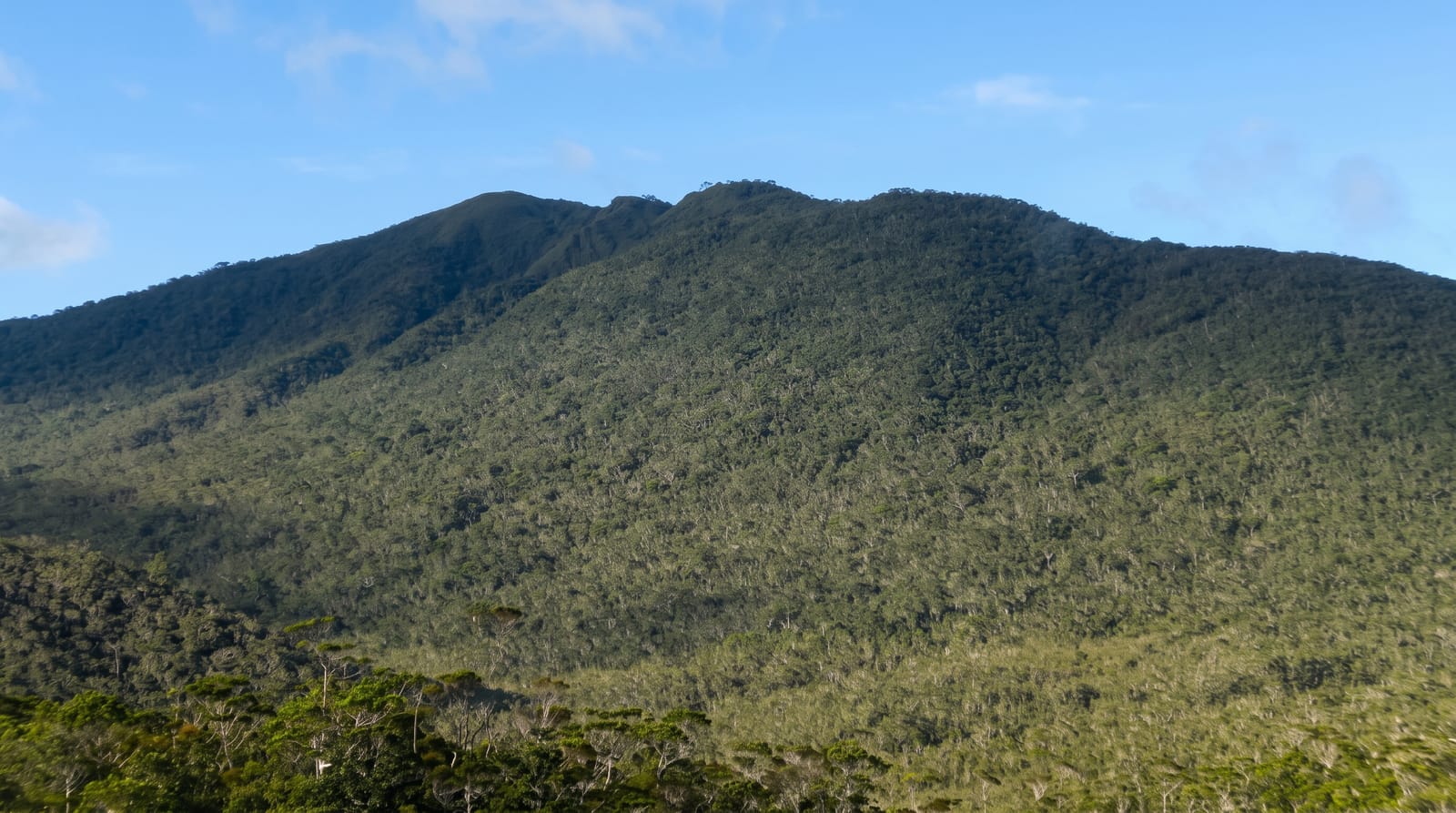
Komodo National Park
The home of the Komodo dragon - a wild archipelago of rugged islands and turquoise seas where the world's largest lizard roams, ringed by superb diving and a famous pink beach, a UNESCO site.
Updated 18 October 2026

AI illustration
UNESCO World Heritage
Komodo National Park is a wild UNESCO archipelago of rugged, savanna-clad islands and brilliant turquoise seas in eastern Indonesia, famous as the main stronghold of the Komodo dragon, with small wild populations also surviving on nearby Flores, the largest lizard on earth. These formidable, prehistoric-looking reptiles are seen with guides on Komodo and Rinca islands, while the surrounding waters offer some of the world's best diving and snorkelling, and the park boasts a rare pink-sand beach.
History
The Komodo dragon became known to science in 1912 through Lieutenant J. K. H. van Steyn van Hensbroek, the civil administrator at Reo on Flores. Padar and part of Rinca were made nature reserves in 1938 and Komodo Island in 1965, and in January 1977 Komodo became a biosphere reserve under UNESCO's Man and Biosphere programme. To protect the dragon, Komodo, Padar, Rinca, Gili Motong and the surrounding waters were declared a national park of 750 square kilometres in 1980, extended in 1984 to 2,193 square kilometres to take in more sea and parts of mainland Flores, so that the marine zone covers 60 per cent of the park; its aims have since widened to the whole of the region's land and marine life. It became a World Heritage Site in 1991 and an ASEAN Heritage Park in 2005 (Wikipedia, Komodo National Park).
What's there
- The Komodo dragons - the world's largest lizards, seen with a guide.
- The diving and snorkelling - the rich reefs and manta rays.
- The Pink Beach - the beach of pink-tinged sand.
- Padar Island - the famous viewpoint over the curving bays.
When to go
April to November, the dry season, for the best weather and calmest seas; the dragons are active year-round, best seen in the cooler morning. The diving is superb, though currents can be strong. It is reached by boat trips, from day trips to multi-day liveaboards.
What to expect
The dragons are genuinely dangerous wild predators, so they are only visited with a park ranger, and you keep your distance. It is remote, reached via Labuan Bajo on Flores and then boats, so it takes time and money. Boat quality varies, so choose carefully. The diving currents can be strong, suiting experienced divers.
Nearby
Labuan Bajo on Flores is the gateway; the island of Flores and its villages spread beyond.
Key facts
Source: Wikidata, item Q4520, read on 18 October 2026.
What to pack for Komodo National Park
Chosen from what this place is for. Tap a kit for the full checklist.
- Broken-in walking shoes or boots - Grip and ankle support matter more than looks; never hike in brand-new boots. Find on Amazon
- Reef-safe sunscreen - High SPF that will not bleach the coral you are swimming over. Find on Amazon
- Your own mask + snorkel - A well-fitting mask is the single biggest comfort upgrade underwater. Find on Amazon
- Binoculars - The single best wildlife tool - even a compact pair transforms a sighting. Find on Amazon
Some links on this page are Amazon affiliate links - if you buy through them we may earn a small commission at no extra cost to you.
All packing kitsPlan your trip
Where to start if Komodo National Park is going on the list.
Booking links on this page are affiliate links - if you book through them we may earn a small commission at no extra cost to you. It never changes what we write about a place.
Opening times, ticket prices and seasonal closures change - check the official source before you go: official site.