Tirthan Valley
A trout river valley at the gate of the Great Himalayan National Park, deliberately kept low-key.
Updated 4 September 2026

AI illustration
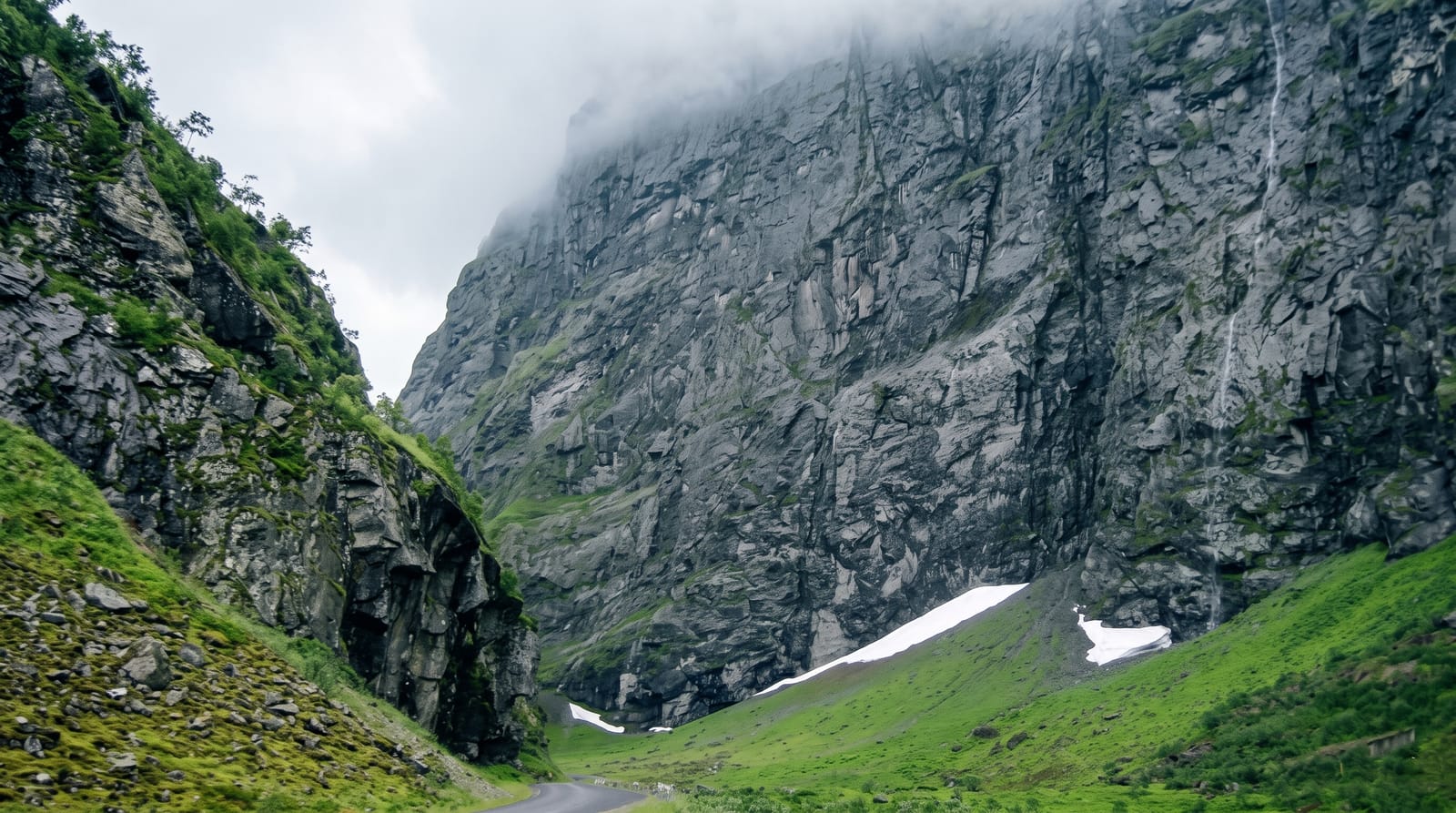
The Tirthan rises in the Great Himalayan National Park and runs down a narrow valley of deodar and oak to join the Beas, and because the upper valley is park buffer, building has been restricted and the settlements stayed small. The river holds brown trout, introduced in the colonial period, and fly fishing is licensed and catch-and-release in stretches. Guesthouses are mostly family-run riverside places. Walks lead to Serolsar lake and the Jalori pass, where the old road crosses at 3,120 metres past the Raghupur fort ridge, and to Chehni Kothi, a tower house of stone and timber several storeys high.
What you'll find
- The trout river - licensed fly fishing on the Tirthan.
- Jalori Pass - the 3,120-metre crossing with walks to Serolsar lake.
- Chehni Kothi - a tall timber and stone tower house in the valley.
- The park gateway - entry points for treks into the national park.
When to go
March to June and September to November; fishing season runs roughly March to October with a closed period. The monsoon brings landslides, and Jalori Pass closes with winter snow.
What to expect
Roads into the valley are narrow and rough. Accommodation is simple homestays with limited services. Fishing requires a permit from the local office. Mobile signal is patchy.
Nearby
The Great Himalayan National Park lies above; Kullu is north.
What to pack for Tirthan Valley
Chosen from what this place is for. Tap a kit for the full checklist.
- Broken-in walking shoes or boots - Grip and ankle support matter more than looks; never hike in brand-new boots. Find on Amazon
- Travel rod + reel - A packable multi-piece rod fits in a case and covers most holiday fishing. Find on Amazon
- Warm base layers - Merino or synthetic against the skin - never cotton, which chills when damp. Find on Amazon
- Strong insect repellent - DEET or picaridin; the jungle is where bites and disease risk are highest. Find on Amazon
Some links on this page are Amazon affiliate links - if you buy through them we may earn a small commission at no extra cost to you.
All packing kitsPlan your trip
Where to start if Tirthan Valley is going on the list.
Booking links on this page are affiliate links - if you book through them we may earn a small commission at no extra cost to you. It never changes what we write about a place.
Opening times, ticket prices and seasonal closures change - check the official source before you go: official site.