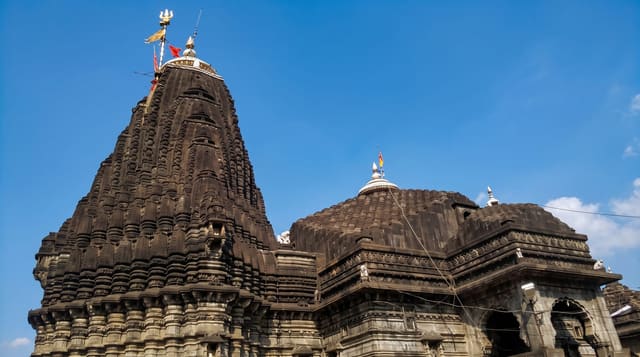
Shirdi
A village turned into one of India's busiest shrines, around a teacher who left no writings and no clear origins.
Updated 19 October 2026
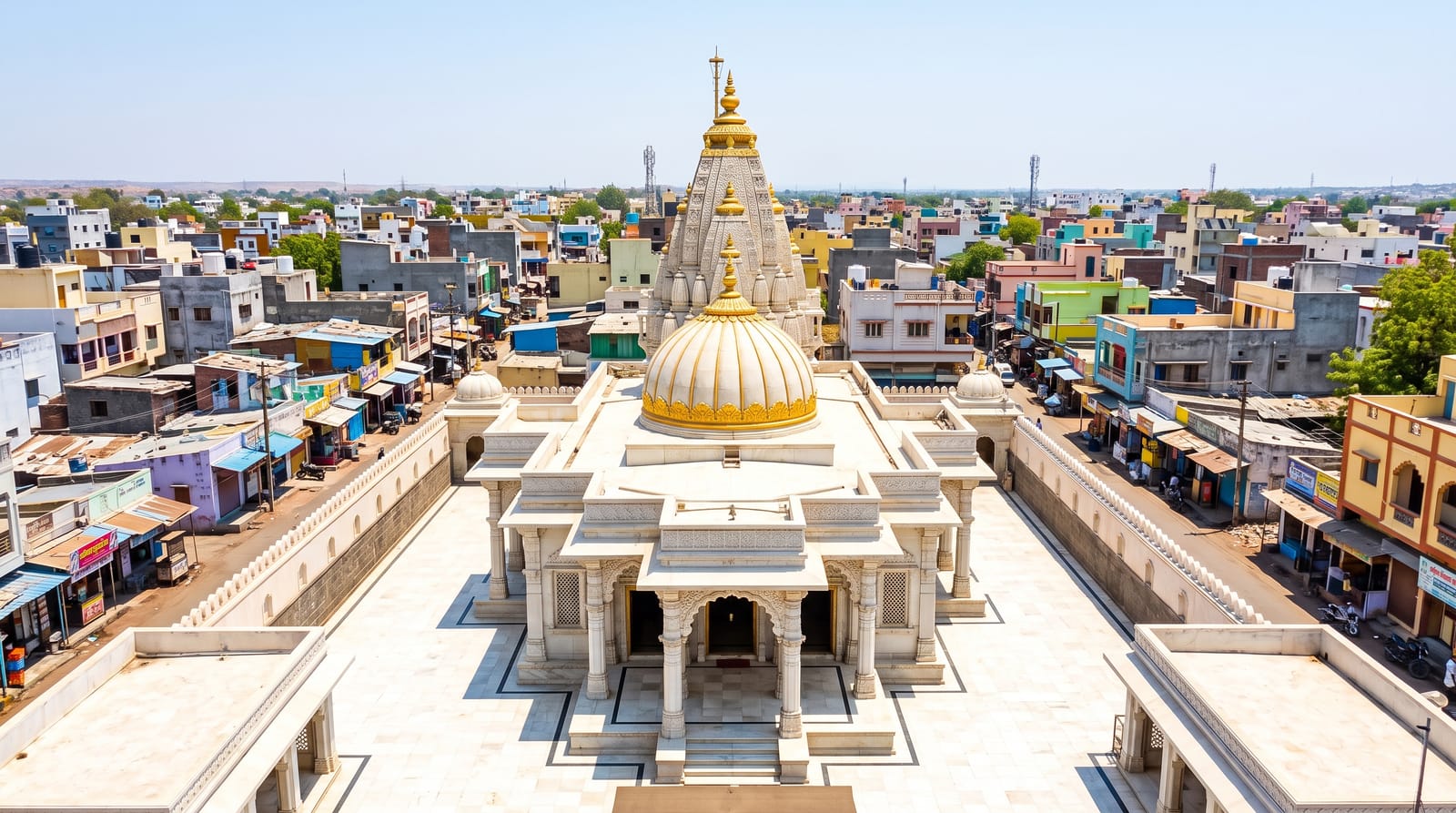
AI illustration
Sai Baba lived at Shirdi from around 1858 until his death in 1918, in a disused mosque he called Dwarkamai, keeping a fire burning that has not been let out since, and teaching in terms that drew both Hindu and Muslim followers without ever clarifying which he belonged to; nothing certain is known of his birth or origins. His tomb, the Samadhi Mandir, is now the centre of a large complex receiving tens of thousands of pilgrims daily, among the most visited shrines in India, with a free kitchen serving meals to hundreds of thousands. Dwarkamai, the fire and the neem tree he sat under are all shown.
History
In the mid-1850s a young Sai Baba arrived and settled in Shirdi, then a small village; at first denounced by the villagers as a madman, over the following decades he drew both Hindu and Muslim devotees from the surrounding area. After his death in 1918 his remains were placed in Buti Wada, which grew into the Samadhi Mandir, known today as the Shirdi Sai Baba Temple (Wikipedia, Shirdi).
What to look for
- The Samadhi Mandir - the tomb shrine at the centre of the complex.
- Dwarkamai - the mosque he lived in, with the fire still burning.
- The neem tree - the tree associated with his early years in the village.
- The kitchen - free meals served on an industrial scale.
When to go
November to February; Ram Navami, Guru Purnima and the Vijayadashami anniversary bring the largest crowds. Queues run for hours at any time; paid passes shorten them.
What to expect
Queues for darshan can take several hours even with a paid pass. Phones and bags are prohibited near the shrine. The town outside the complex is entirely given over to pilgrim commerce.
Nearby
Nashik lies northwest; Aurangabad is northeast.
What to pack for Shirdi
Chosen from what this place is for. Tap a kit for the full checklist.
- Comfortable walking shoes - Sightseeing means kilometres of pavement and cobbles daily. Find on Amazon
- Modest clothing - Shoulders and knees covered - the single most common requirement. Find on Amazon
- A slim anti-theft daypack - Zips that close properly; keep it in front in crowds and on transit. Find on Amazon
- A scarf or shawl - To cover the head or shoulders on entry; women especially at mosques. Find on Amazon
Some links on this page are Amazon affiliate links - if you buy through them we may earn a small commission at no extra cost to you.
All packing kitsPlan your trip
Where to start if Shirdi is going on the list.
Booking links on this page are affiliate links - if you book through them we may earn a small commission at no extra cost to you. It never changes what we write about a place.
Opening times, ticket prices and seasonal closures change - check the official source before you go: official site.