Zaouia of Boujad
A town built around a seventeenth-century Sufi lodge that became a religious and commercial power on the plains.
Updated 29 August 2026
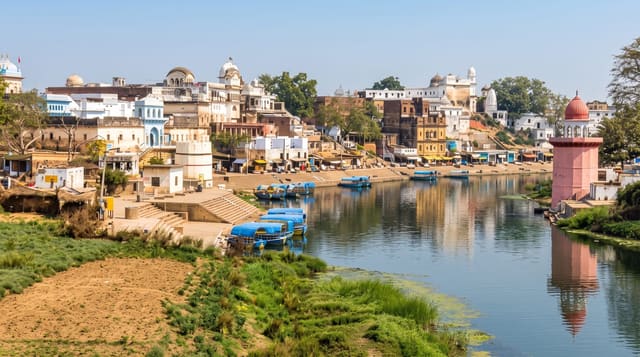
Boujad was founded around the zaouia of Sidi Mohammed Cherki in the seventeenth century, and what grew from it is a specific Moroccan institution: a Sufi lodge whose sharifian family acquired religious authority, then land, then commercial weight, arbitrating between tribes on the Tadla plains and drawing pilgrims and trade to a town that exists for that reason. At its height it had a large number of zaouias and shrines within it and was called a town of saints. The medina is a dense white quarter of covered lanes, courtyards and shrine buildings with green tiled roofs, and it has almost no visitors - the pilgrimage is domestic. Non-Muslims cannot enter the shrines. Boujad is also known for a distinctive style of carpet, loosely woven in pink and purple wool with irregular patterning, which has become sought after abroad.
What's there
- A town built on a lodge - founded round a seventeenth-century zaouia that gained land and power.
- Green-roofed shrines - a dense white medina of covered lanes and courtyards.
- A domestic pilgrimage - visitors are Moroccan, not foreign.
- Boujad carpets - loosely woven pink and purple wool with irregular patterns.
When to go
Spring and autumn. Half a day.
Good to know
Non-Muslims cannot enter the shrines - the visit is the streets. There is no tourist infrastructure. The town is conservative; dress accordingly. Carpets sold locally are cheaper than abroad but sorting quality takes an eye.
Nearby
Kasba Tadla is south-east; Oued Zem is north.
What to pack for Zaouia of Boujad
Chosen from what this place is for. Tap a kit for the full checklist.
- Comfortable walking shoes - Sightseeing means kilometres of pavement and cobbles daily. Find on Amazon
- Modest clothing - Shoulders and knees covered - the single most common requirement. Find on Amazon
- A slim anti-theft daypack - Zips that close properly; keep it in front in crowds and on transit. Find on Amazon
- A scarf or shawl - To cover the head or shoulders on entry; women especially at mosques. Find on Amazon
Some links on this page are Amazon affiliate links - if you buy through them we may earn a small commission at no extra cost to you.
All packing kitsPlan your trip
Where to start if Zaouia of Boujad is going on the list.
Booking links on this page are affiliate links - if you book through them we may earn a small commission at no extra cost to you. It never changes what we write about a place.
Opening times, ticket prices and seasonal closures change - check the official source before you go: official site.