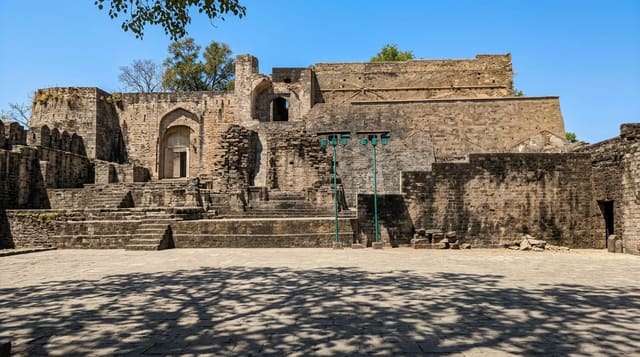
Masroor Rock-Cut Temples
Fifteen temples carved downward out of a single sandstone ridge, and left unfinished a thousand years ago.
Updated 4 September 2026

AI illustration
The Masroor temples were cut from a single ridge of sandstone around the eighth century, carved from the top down and out of the living rock rather than built, in the nagara style, a technique used at Ellora and Mahabalipuram but almost nowhere else in the Himalaya. Fifteen shrines cluster around a central temple, their shikharas, doorways and figures worked in place, and the whole group was left unfinished. A tank in front reflects them, with the Dhauladhar range behind on clear days. An earthquake in 1905 damaged much of the carving, and weathering has worn the soft stone considerably.
The main sights
- The monolithic shrines - fifteen temples cut from one rock ridge.
- The unfinished work - carving abandoned partway across the group.
- The reflecting tank - water in front giving the classic view.
- The Dhauladhar backdrop - the range behind on clear days.
When to go
March to June and September to November; morning light and a still tank give the reflection. The monsoon is heavy here. The site is quiet with few visitors on weekdays.
Good to know
Earthquake damage and weathering have worn much of the sculpture. The site is a long detour from the Kangra circuit with no facilities. Signage is limited.
Nearby
Kangra Fort lies northeast; Dharamshala is north.
What to pack for Masroor Rock-Cut Temples
Chosen from what this place is for. Tap a kit for the full checklist.
- Strong insect repellent - DEET or picaridin; the jungle is where bites and disease risk are highest. Find on Amazon
- Comfortable walking shoes - Sightseeing means kilometres of pavement and cobbles daily. Find on Amazon
- Modest clothing - Shoulders and knees covered - the single most common requirement. Find on Amazon
- Long, light, quick-dry clothing - Covers skin from insects and sun without cooking you in the humidity. Find on Amazon
Some links on this page are Amazon affiliate links - if you buy through them we may earn a small commission at no extra cost to you.
All packing kitsPlan your trip
Where to start if Masroor Rock-Cut Temples is going on the list.
Booking links on this page are affiliate links - if you book through them we may earn a small commission at no extra cost to you. It never changes what we write about a place.
Opening times, ticket prices and seasonal closures change - check the official source before you go: official site.