Kushinagar
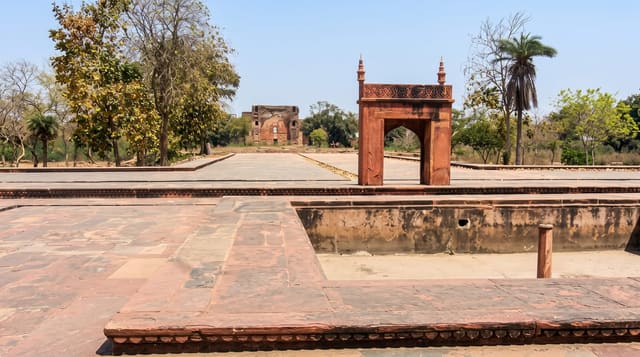
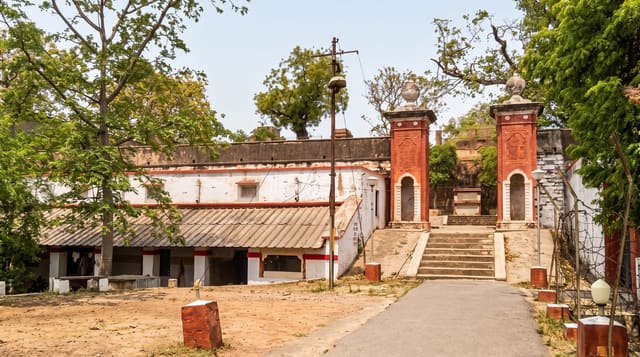
Where the Buddha died, marked by a six-metre reclining statue and the stupa raised over his cremation.
Updated 19 October 2026

AI illustration
Kushinagar is where the Buddha entered parinirvana, and the Mahaparinirvana Temple holds a reclining figure just over six metres long, carved from a single block of sandstone in the fifth century and found broken in the excavations of 1876, since restored and now robed and tended by monks. Behind it stands the stupa raised over the site. About a kilometre away, the Ramabhar Stupa is a large brick mound marking where the cremation took place. As one of the four principal pilgrimage sites it draws visitors from across the Buddhist world, and monasteries built by Thailand, Myanmar, Japan, Tibet and others line the road.
History
According to Alexander Cunningham the town was named for its kusha grass. The Mahaparinibbana Sutta tells how the Buddha, in his eightieth year, journeyed with his disciples from Rajagriha to Kushinagar, where he passed into parinirvana and was cremated seven days later, his ashes then divided among several clans and a king. The ruins were first mentioned in modern writing in 1837, Cunningham excavated them in 1861-1862 and identified the site of the parinirvana, and in 1876 Archibald Carlleyle uncovered the stupa and the 6.1-metre reclining Buddha (Wikipedia, Kushinagar).
What's there
- The reclining Buddha - a fifth-century sandstone figure over six metres long.
- The Mahaparinirvana stupa - the mound behind the temple.
- Ramabhar Stupa - the large brick mound over the cremation site.
- The international monasteries - temples built by Buddhist countries along the road.
When to go
October to March; eastern Uttar Pradesh is very hot from April and wet in the monsoon. Buddha Purnima brings pilgrims. Early morning at Ramabhar is quiet and often used for meditation.
Things to know
The town is small with limited facilities and food options. Sites are spread along a road and need transport between them. The area sees far fewer foreign visitors than Bodh Gaya.
Nearby
Gorakhpur lies west; Lumbini is north across the Nepal border.
Key facts
Source: Wikidata, item Q825673, read on 18 October 2026.
What to pack for Kushinagar
Chosen from what this place is for. Tap a kit for the full checklist.
- Strong insect repellent - DEET or picaridin; the jungle is where bites and disease risk are highest. Find on Amazon
- Comfortable walking shoes - Sightseeing means kilometres of pavement and cobbles daily. Find on Amazon
- Modest clothing - Shoulders and knees covered - the single most common requirement. Find on Amazon
- Long, light, quick-dry clothing - Covers skin from insects and sun without cooking you in the humidity. Find on Amazon
Some links on this page are Amazon affiliate links - if you buy through them we may earn a small commission at no extra cost to you.
All packing kitsPlan your trip
Where to start if Kushinagar is going on the list.
Booking links on this page are affiliate links - if you book through them we may earn a small commission at no extra cost to you. It never changes what we write about a place.
Opening times, ticket prices and seasonal closures change - check the official source before you go: official site.