Kuno National Park
Grassland and dry forest where cheetahs were brought from Africa in 2022, seventy years after they died out in India.
Updated 19 October 2026
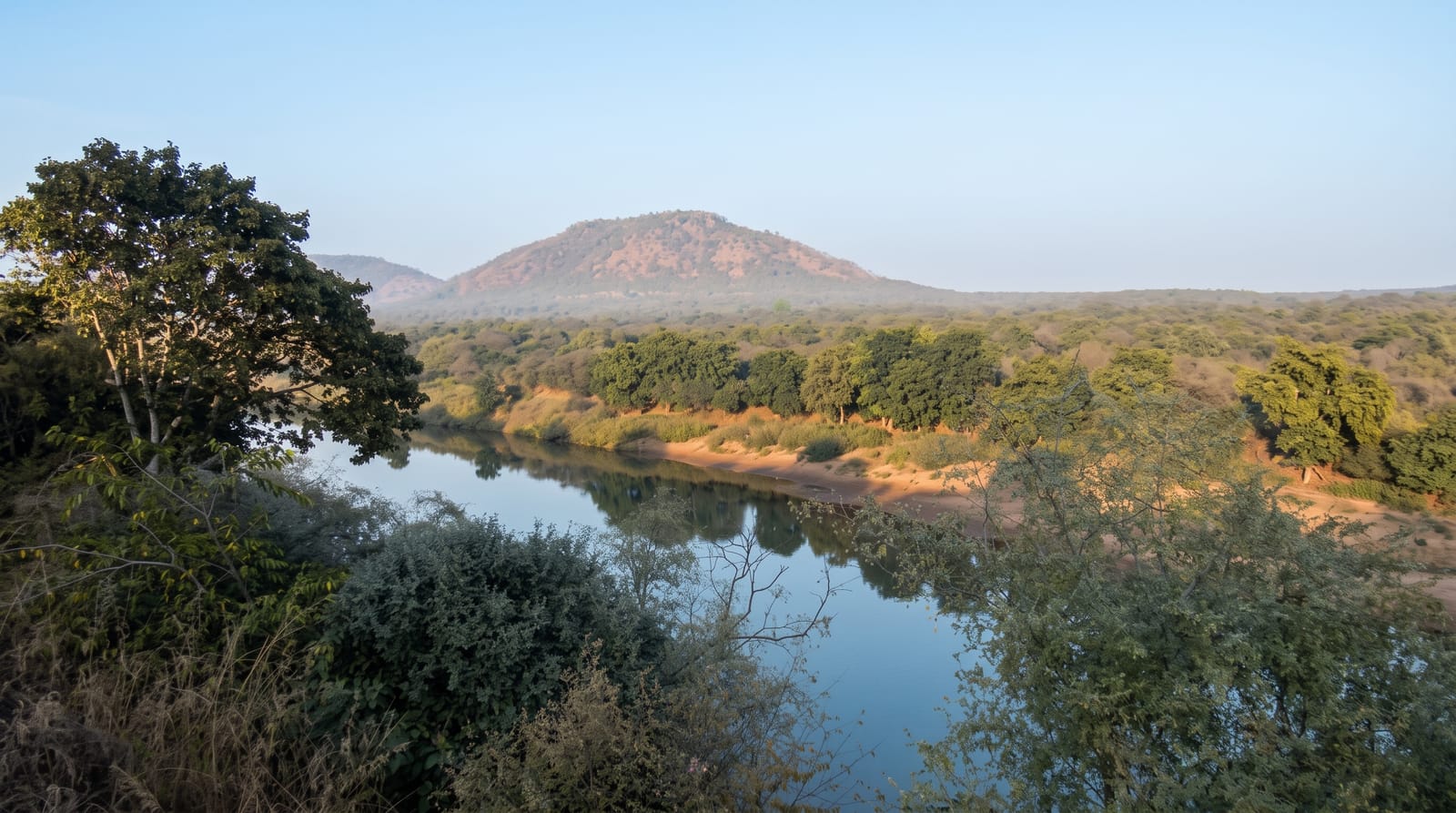
AI illustration
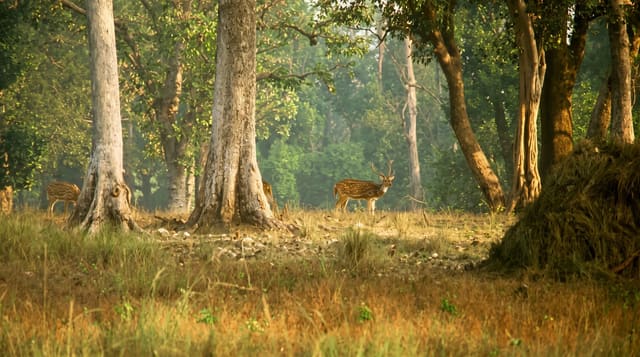
Kuno covers around seven hundred and fifty square kilometres of grassland, dry deciduous forest and ravines along the Kuno river, prepared over decades as a second home for Asiatic lions in a plan that stalled. In 2022 it received cheetahs instead: animals flown in from Namibia and South Africa in an attempt to establish the species in India, where it was declared extinct in 1952. Several have died and cubs have been born since, and the project remains contested among ecologists. Access to cheetah areas has been limited and phased. The park also holds leopard, striped hyena, jackal, sloth bear and chinkara.
History
Kuno was established in 1981 as a wildlife sanctuary of about 344.686 km2, and in the 1990s it was chosen as a possible site for the Asiatic Lion Reintroduction Project, meant to create a second lion population in India. In 2009 it was also proposed for the reintroduction of cheetahs, and in 2018 it became a national park of 748.76 km2 (Wikipedia, Kuno National Park).
Highlights
- The cheetahs - reintroduced African animals in enclosures and free-ranging areas.
- The grassland - open country prepared for large predators.
- The Kuno river - ravines and riverine forest through the park.
- The other wildlife - leopard, hyena, chinkara and a strong bird list.
When to go
October to March for comfortable conditions; the park closes in the monsoon. Cheetah viewing arrangements have changed repeatedly since 2022 and should be checked before travelling.
Things to know
Cheetah sightings are not guaranteed and access rules have shifted frequently; some animals remain in enclosures. The project is scientifically contested, with deaths among the introduced animals. Tourism facilities are still developing.
Nearby
Gwalior lies northeast; Ranthambhore is northwest in Rajasthan.
Key facts
Source: Wikidata, item Q1143016, read on 18 October 2026.
What to pack for Kuno National Park
Chosen from what this place is for. Tap a kit for the full checklist.
- Broken-in walking shoes or boots - Grip and ankle support matter more than looks; never hike in brand-new boots. Find on Amazon
- Binoculars - The single best wildlife tool - even a compact pair transforms a sighting. Find on Amazon
- Strong insect repellent - DEET or picaridin; the jungle is where bites and disease risk are highest. Find on Amazon
- Layers + a waterproof shell - Mountain weather turns fast; a packable rain jacket saves the day. Find on Amazon
Some links on this page are Amazon affiliate links - if you buy through them we may earn a small commission at no extra cost to you.
All packing kitsPlan your trip
Where to start if Kuno National Park is going on the list.
Booking links on this page are affiliate links - if you book through them we may earn a small commission at no extra cost to you. It never changes what we write about a place.
Opening times, ticket prices and seasonal closures change - check the official source before you go: official site.