Kanha National Park
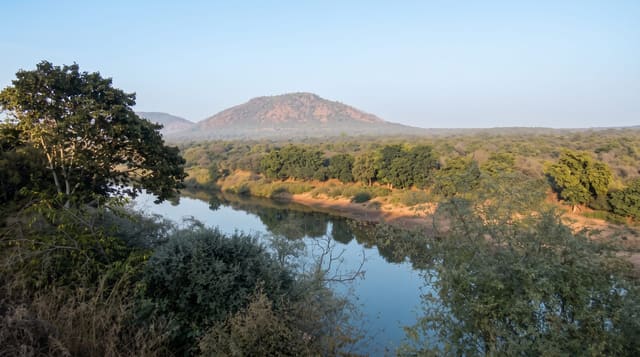
Sal forest and open meadows that shaped Kipling's jungle, and where the barasingha was saved from extinction.
Updated 4 September 2026
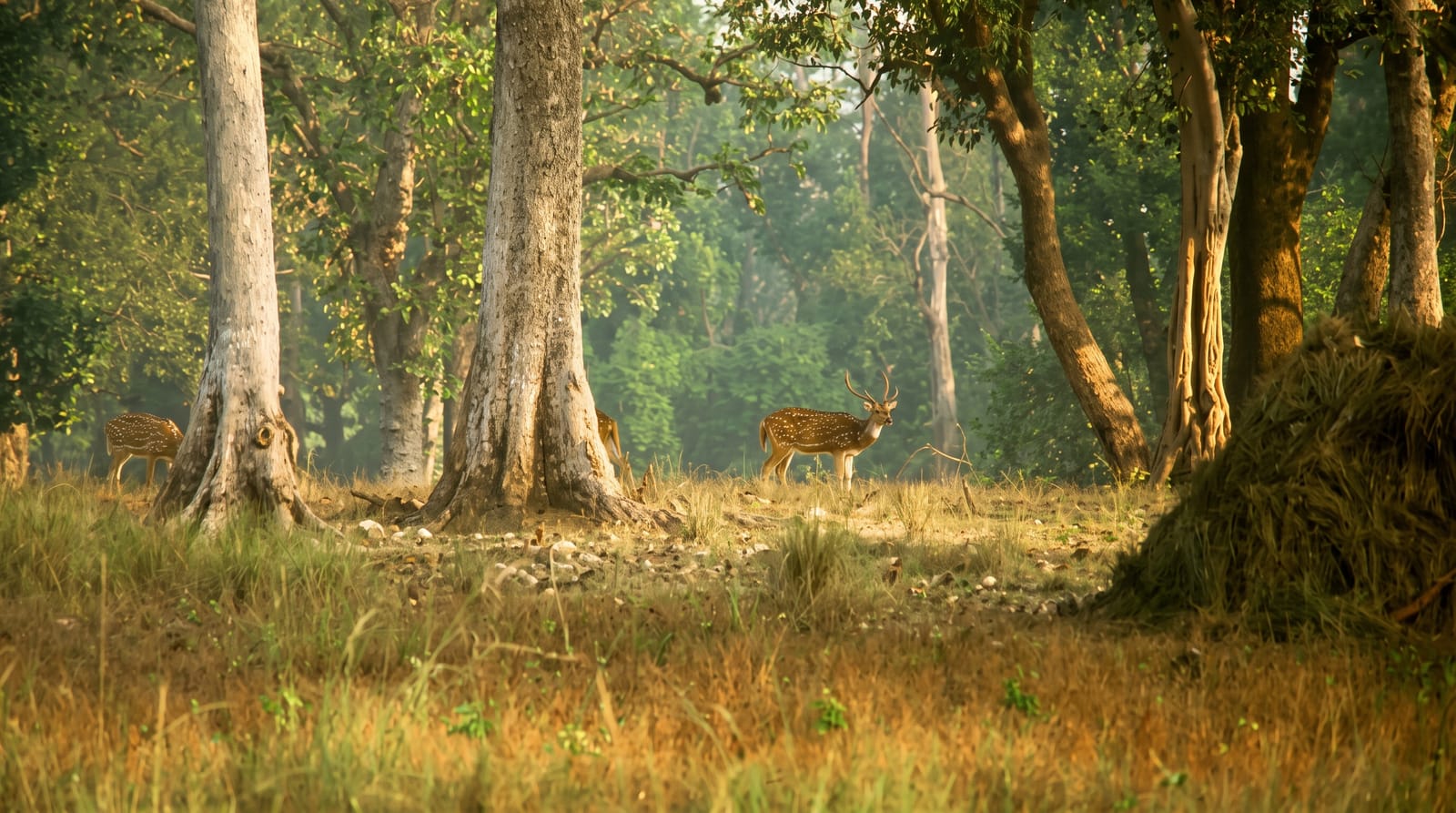
AI illustration
Kanha covers around nine hundred and forty square kilometres of sal forest broken by maidans, open grassy meadows that are the remains of cleared villages, which makes for unusually good visibility. It holds a substantial tiger population, along with leopard, dhole, gaur and sloth bear. Its conservation achievement is the hard-ground barasingha, a swamp deer subspecies down to around sixty-six animals in the 1970s and now numbering in the hundreds, found nowhere else. The forest and its animals are commonly linked to Kipling's Jungle Book, which drew on this landscape, and the park uses that association heavily.
What's there
- The maidans - open meadows within sal forest giving long sightlines.
- The barasingha - hard-ground swamp deer found only here.
- The tigers - a strong population across four tourism zones.
- The sal forest - tall broadleaf woodland with bamboo understorey.
When to go
October to June; the park closes in the monsoon from July to mid-October. March to June gives the best sightings as water concentrates, though heat is severe.
Things to know
Permits must be booked online well in advance and popular zones sell out. Tiger sightings are never guaranteed. Vehicles are shared unless a full jeep is paid for, and routes are allotted, not chosen.
Nearby
Bandhavgarh lies north; Pench is southwest.
Key facts
Source: Wikidata, item Q1480481, read on 18 October 2026.
What to pack for Kanha National Park
Chosen from what this place is for. Tap a kit for the full checklist.
- Broken-in walking shoes or boots - Grip and ankle support matter more than looks; never hike in brand-new boots. Find on Amazon
- Strong insect repellent - DEET or picaridin; the jungle is where bites and disease risk are highest. Find on Amazon
- Layers + a waterproof shell - Mountain weather turns fast; a packable rain jacket saves the day. Find on Amazon
- Long, light, quick-dry clothing - Covers skin from insects and sun without cooking you in the humidity. Find on Amazon
Some links on this page are Amazon affiliate links - if you buy through them we may earn a small commission at no extra cost to you.
All packing kitsPlan your trip
Where to start if Kanha National Park is going on the list.
Booking links on this page are affiliate links - if you book through them we may earn a small commission at no extra cost to you. It never changes what we write about a place.
Opening times, ticket prices and seasonal closures change - check the official source before you go: official site.