Kamakhya Temple
A shakti temple on a Guwahati hill with no image in its sanctum, only a spring-fed cleft in the rock.
Updated 19 October 2026

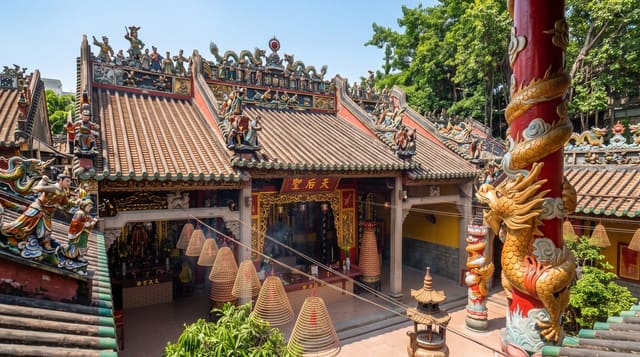
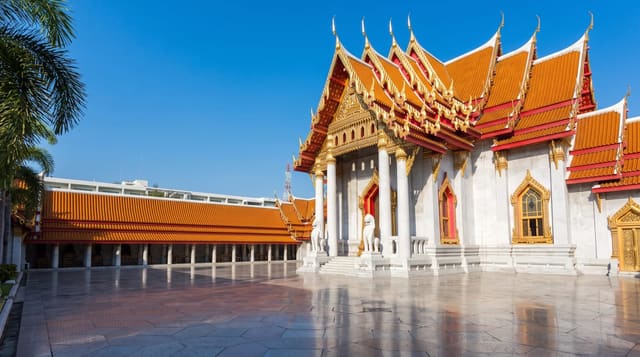
AI illustration
Kamakhya stands on Nilachal hill above the Brahmaputra and is among the most important shakti peethas, and its sanctum contains no statue: instead there is a natural cleft in the rock, kept moist by an underground spring, which is the object of worship. The temple is a centre of tantric practice, and the Ambubachi Mela each June marks a period when the goddess is held to menstruate; the temple closes for three days and reopens to enormous crowds of pilgrims and ascetics. The building has a distinctive beehive-shaped shikhara of the Assamese Nilachal type, rebuilt in the sixteenth century after earlier destruction.
History
Historians suggest the site was an ancient place of worship of local peoples such as the Koch and Rabha, and that the name may come from the Khasi goddess Ka Meikha; the worship of a yoni in natural stone continues to this day. The early Varman dynasty of Kamarupa and the 7th-century traveller Xuanzang do not mention Kamakhya, and the temple, ruined by the early 16th century, was rediscovered by Vishwasingha, founder of the Koch dynasty, and rebuilt under his son Nara Narayan, the work being completed in 1565 (Wikipedia, Kamakhya Temple).
What you'll find
- The rock cleft - a spring-fed fissure worshipped instead of an image.
- The beehive shikhara - the Assamese Nilachal-type tower.
- The Ambubachi Mela - the June festival drawing ascetics in huge numbers.
- The hill setting - the Brahmaputra and Guwahati spread below.
When to go
October to March for comfortable weather; Ambubachi in June is the largest gathering and the town fills entirely. Queues run for hours at any busy period.
Practical notes
Animal sacrifice is practised at the temple, which disturbs many visitors. Queues are long and touts sell fast-track access. Phones and bags are restricted. The sanctum is dark and crowded.
Nearby
Guwahati lies below; Pobitora is east.
Key facts
Source: Wikidata, item Q3629418, read on 18 October 2026.
What to pack for Kamakhya Temple
Chosen from what this place is for. Tap a kit for the full checklist.
- Head torch + spare batteries - Hands-free light is essential; caves are truly dark. Find on Amazon
- Comfortable walking shoes - Sightseeing means kilometres of pavement and cobbles daily. Find on Amazon
- Modest clothing - Shoulders and knees covered - the single most common requirement. Find on Amazon
- Grippy closed shoes - Cave floors are wet, muddy and slick with formations. Find on Amazon
Some links on this page are Amazon affiliate links - if you buy through them we may earn a small commission at no extra cost to you.
All packing kitsPlan your trip
Where to start if Kamakhya Temple is going on the list.
Booking links on this page are affiliate links - if you book through them we may earn a small commission at no extra cost to you. It never changes what we write about a place.
Opening times, ticket prices and seasonal closures change - check the official source before you go: official site.