Hemis National Park
The most reliable place in the world to see a wild snow leopard, in winter, at very close to freezing.
Updated 19 October 2026
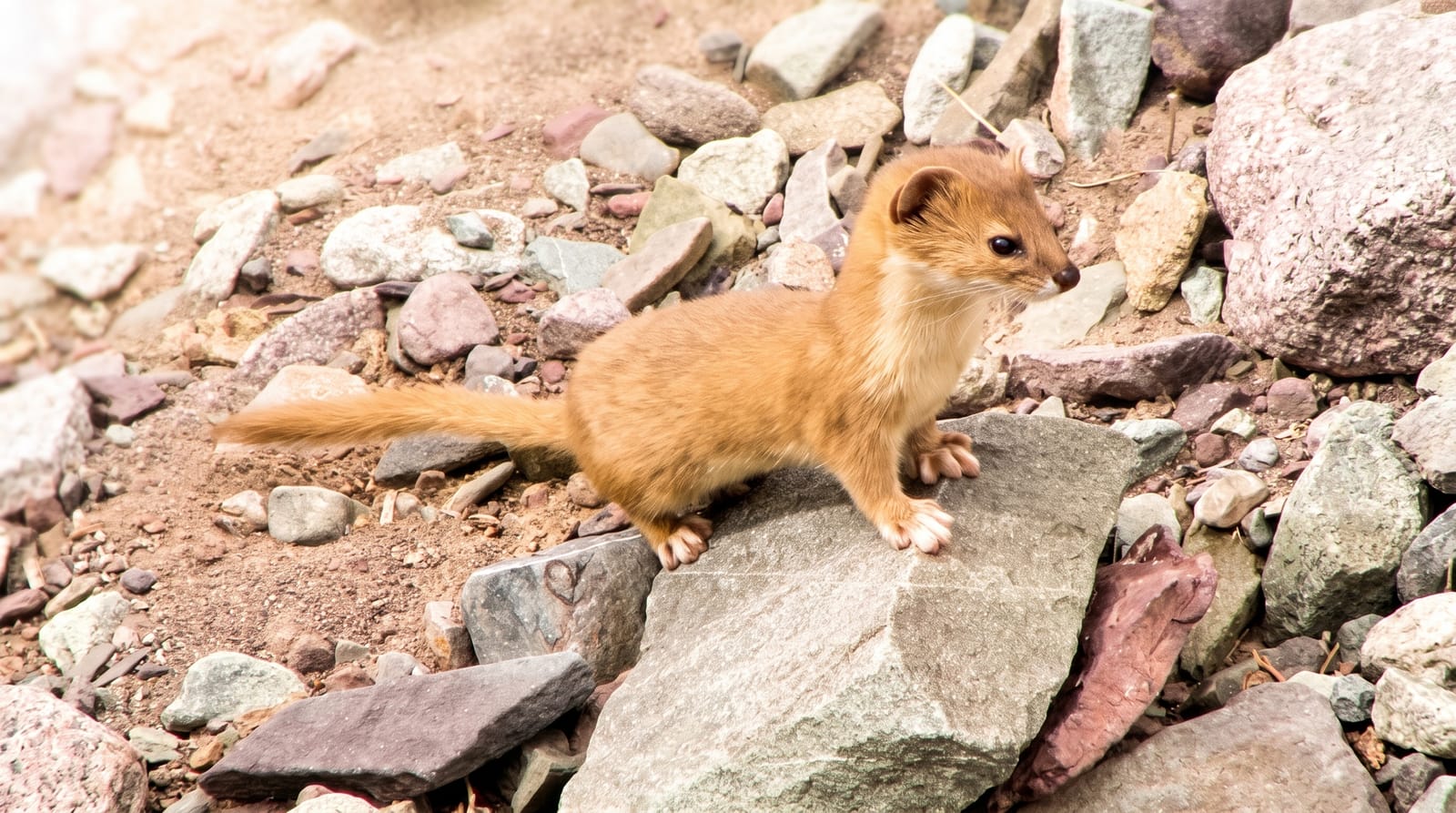
AI illustration
Hemis covers around 4,400 square kilometres of high, dry, treeless mountain south of the Indus, and it holds one of the densest snow leopard populations known, along with blue sheep, urial, ibex, Ladakhi urial, wolf and lynx. In winter the leopards follow blue sheep down into the valleys, which brings them within range of spotting scopes from the valley floor, and a system of village homestays at Rumbak and elsewhere supports searches led by local spotters. Sightings are still a matter of days of scanning ridgelines in extreme cold, but the odds here are better than anywhere else.
History
The park was founded in 1981 to protect the catchments of the Rumbak and Markha rivers, about 600 km2, and it grew to around 3,350 km2 in 1988 and to 4,400 km2 in 1990, making it the largest national park in South Asia (Wikipedia, Hemis National Park).
What you'll find
- The snow leopard - searched for with scopes from valley floors in winter.
- The blue sheep - the main prey, in herds on the slopes.
- The village homestays - Ladakhi houses at Rumbak and Ulley taking guests.
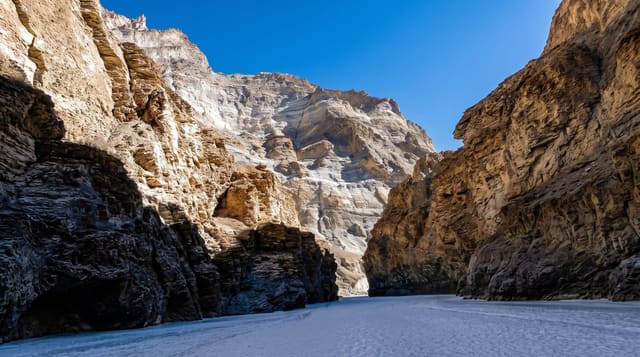
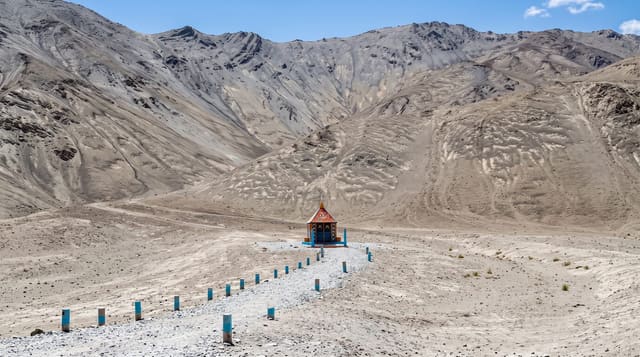
- The bare high valleys - treeless mountain terrain above 3,500 metres.
When to go
January to March for snow leopards, when they come lower; summer offers trekking and other wildlife but virtually no chance of a cat. Winter temperatures drop far below freezing.
Practical notes
Winter here is severe, often below minus twenty at night in unheated homestays. Sightings usually come after days of waiting and sometimes not at all. Trips are expensive and physically demanding at altitude.
Nearby
Hemis monastery lies below; Leh is north.
Key facts
Source: Wikidata, item Q1604804, read on 18 October 2026.
What to pack for Hemis National Park
Chosen from what this place is for. Tap a kit for the full checklist.
- Broken-in walking shoes or boots - Grip and ankle support matter more than looks; never hike in brand-new boots. Find on Amazon
- Binoculars - The single best wildlife tool - even a compact pair transforms a sighting. Find on Amazon
- Warm base layers - Merino or synthetic against the skin - never cotton, which chills when damp. Find on Amazon
- Layers for big temperature swings - Warm sun by day, near-freezing at night, even near the equator. Find on Amazon
Some links on this page are Amazon affiliate links - if you buy through them we may earn a small commission at no extra cost to you.
All packing kitsPlan your trip
Where to start if Hemis National Park is going on the list.
Booking links on this page are affiliate links - if you book through them we may earn a small commission at no extra cost to you. It never changes what we write about a place.
Opening times, ticket prices and seasonal closures change - check the official source before you go: official site.