The Beaches of Goa
India's laid-back coast - palm-fringed golden beaches and a relaxed, Portuguese-flavoured culture, from lively northern strips to serene southern sands, on the Arabian Sea.
Updated 4 August 2026
AI illustration
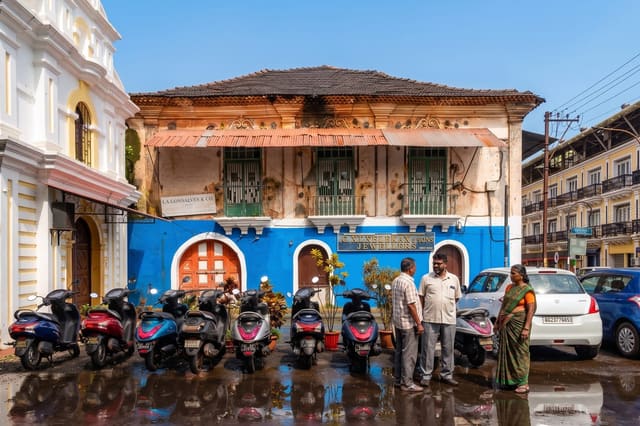
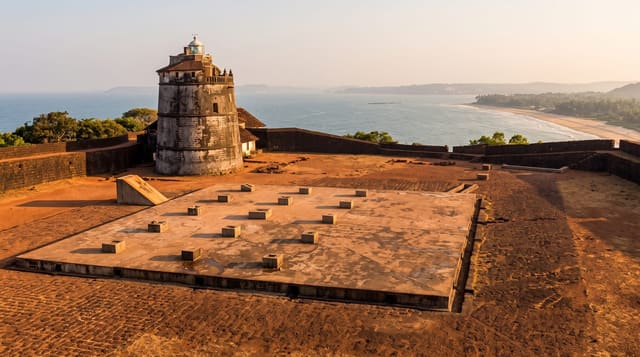
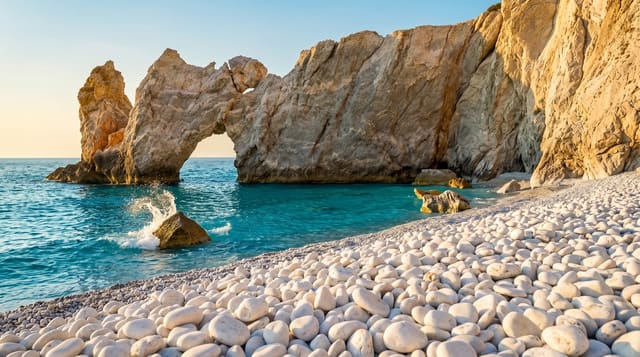
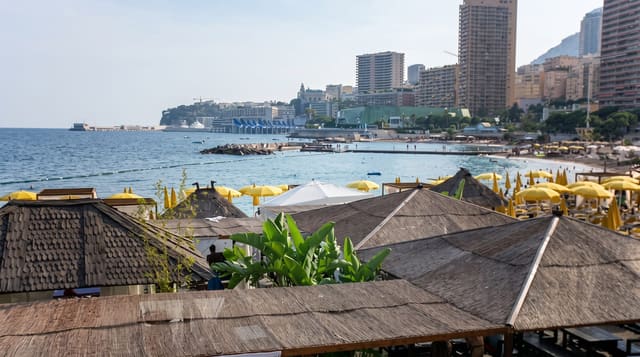
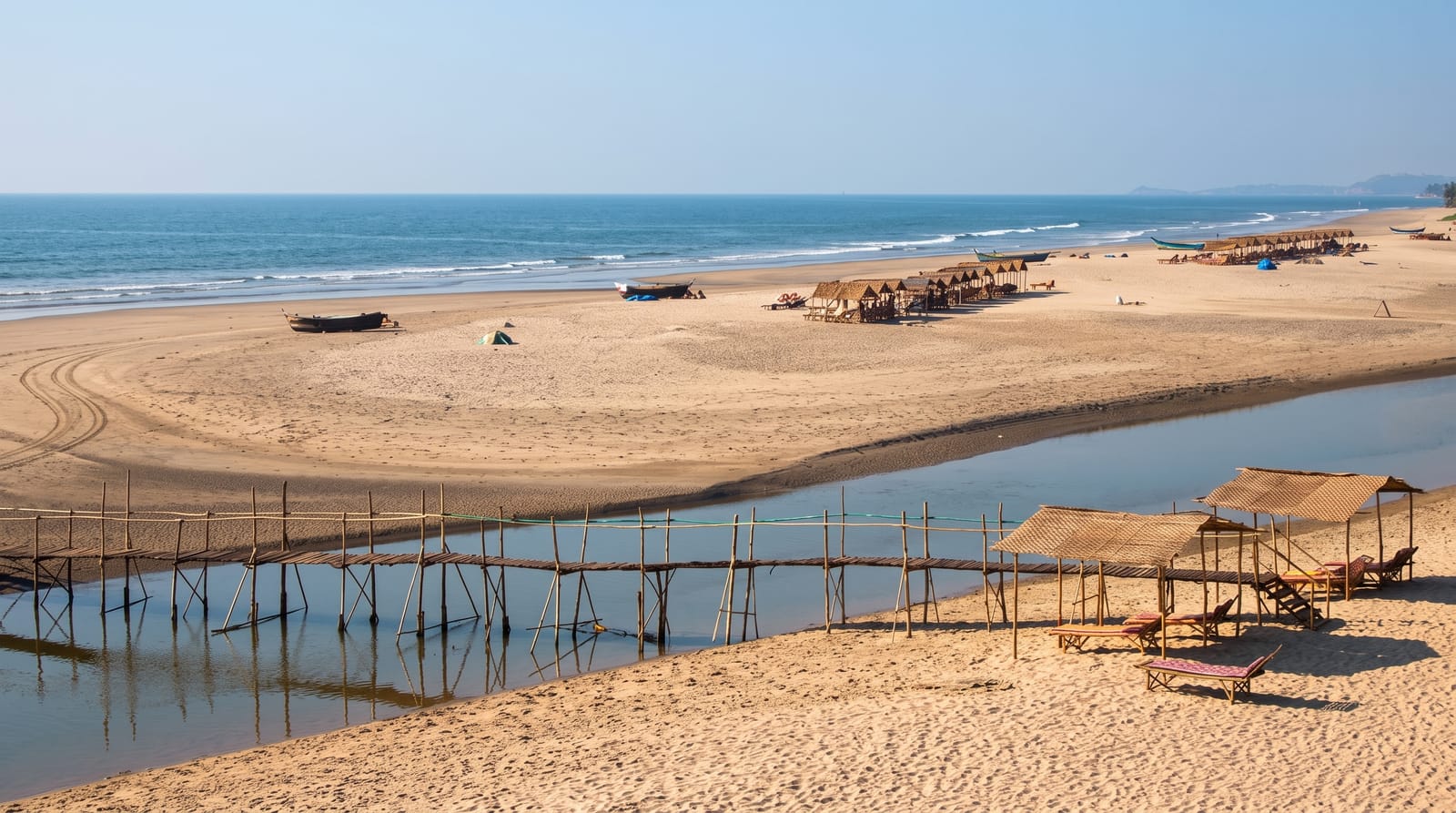
Goa is India's most famous and laid-back coast, a former Portuguese colony whose long golden beaches, palm groves and relaxed atmosphere have drawn travellers for generations. Its culture blends Indian and Portuguese in whitewashed churches, spice plantations and a distinctive cuisine, while its beaches range from the lively, party-oriented strips of the north to the serene, quieter sands of the south.
What's there
- The northern beaches - the lively strips of Baga, Calangute and Anjuna.
- The southern beaches - the quieter, serene sands of Palolem and Agonda.
- Old Goa - the grand Portuguese churches and cathedrals inland.
- The beach shacks - the seafood and sunset drinks on the sand.
When to go
November to February for the dry, pleasant peak season; the monsoon from June to September closes many beach shacks and brings heavy rain, though the green is beautiful. December brings the biggest crowds and highest prices.
Things to know
The northern beaches have become crowded and heavily developed, with a party reputation that is either the appeal or a turn-off; the south is far quieter and more relaxed. Many shacks and businesses close in the monsoon. It is more about the beach-and-culture vibe than dramatic scenery.
Nearby
Old Goa's churches, the spice plantations and the Dudhsagar waterfall are inland.
What to pack for The Beaches of Goa
Chosen from what this place is for. Tap a kit for the full checklist.
- Reef-safe sunscreen - High SPF that will not bleach the coral you are swimming over. Find on Amazon
- Strong insect repellent - DEET or picaridin; the jungle is where bites and disease risk are highest. Find on Amazon
- Modest clothing - Shoulders and knees covered - the single most common requirement. Find on Amazon
- Quick-dry towel - A microfibre towel packs small and dries in minutes. Find on Amazon
Some links on this page are Amazon affiliate links - if you buy through them we may earn a small commission at no extra cost to you.
All packing kitsPlan your trip
Where to start if The Beaches of Goa is going on the list.
Booking links on this page are affiliate links - if you book through them we may earn a small commission at no extra cost to you. It never changes what we write about a place.
Opening times, ticket prices and seasonal closures change - check the official source before you go: official site.