Dholavira
A Harappan city on a desert island, with the largest known water system of its period and a signboard of symbols.
Updated 14 October 2026
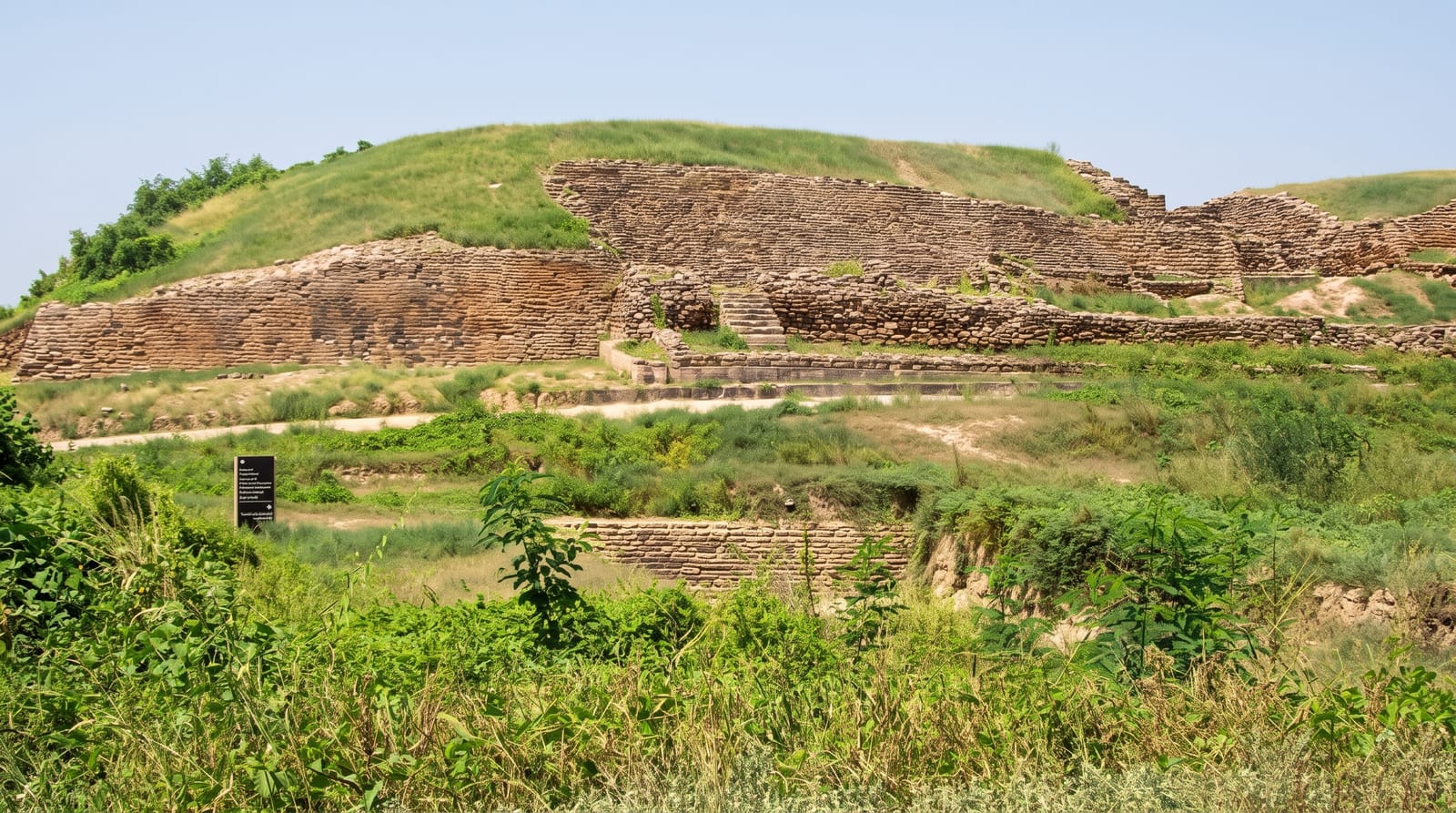
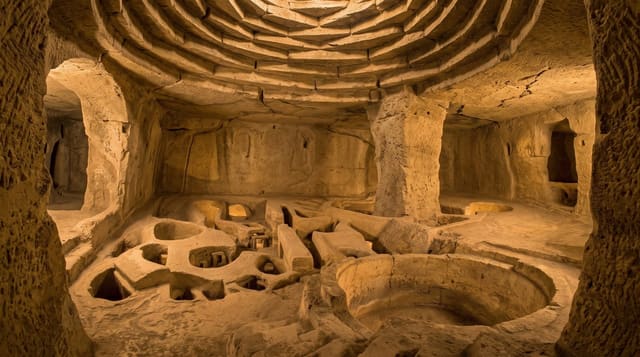
AI illustration
UNESCO World Heritage
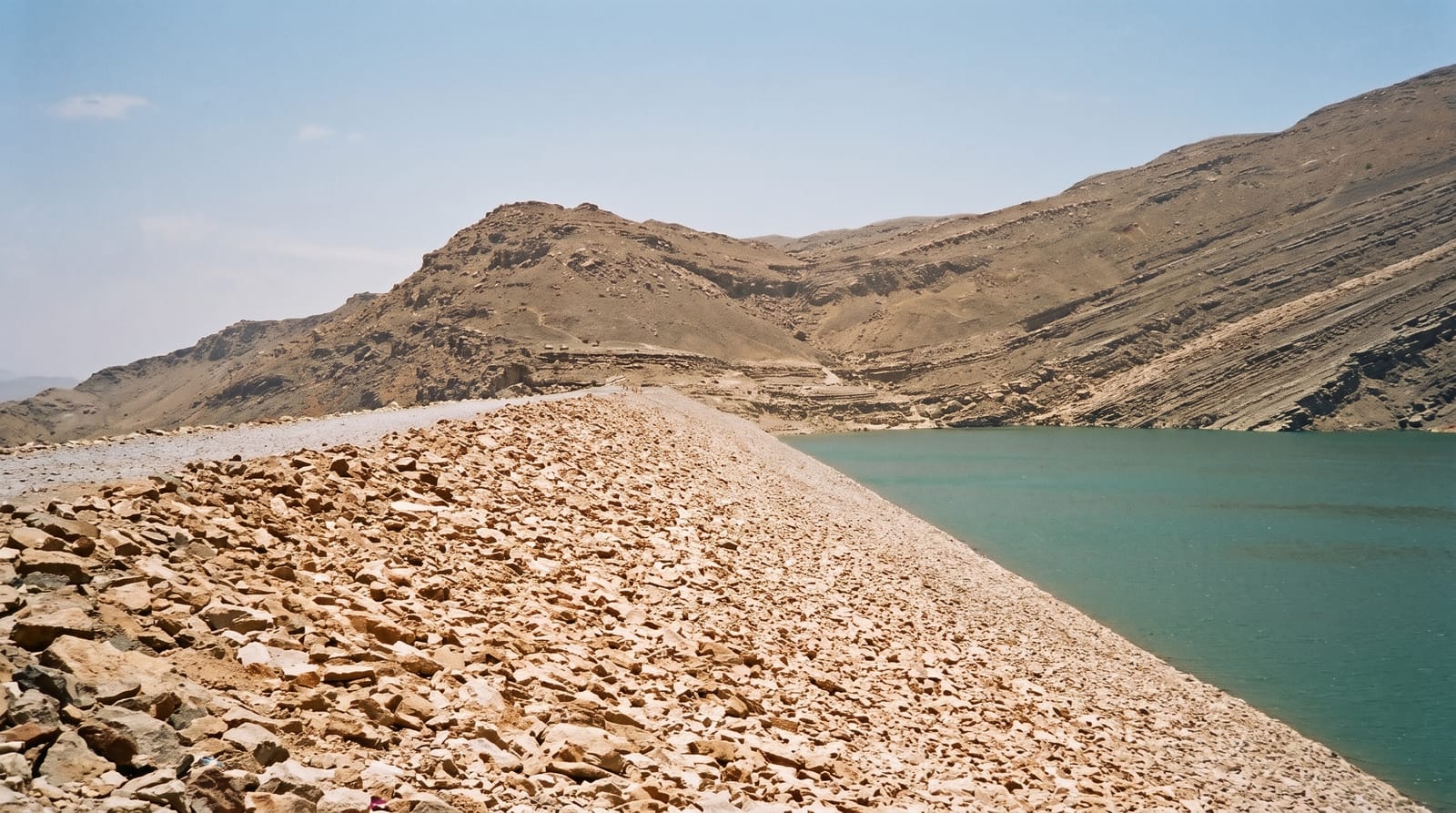
Dholavira sits on Khadir, an island of higher ground in the Great Rann, and was one of the largest Harappan cities, occupied for roughly fifteen hundred years from about 3000 BC and inscribed by UNESCO in 2021. Its defining achievement is water management: sixteen reservoirs cut into rock and lined with stone, fed by dammed seasonal streams, holding enough to sustain a city in a place with almost no rainfall. The town divides into citadel, middle and lower town with a large stadium-like ground between. A row of ten large symbols in gypsum, found fallen at a gateway, is the earliest known signboard of the Indus script.
The main sights
- The reservoirs - sixteen stone-cut water tanks across the site.
- The three-part plan - citadel, middle town and lower town.
- The signboard - the row of ten Indus script symbols from the gateway.
- The Rann setting - the white salt flat surrounding the island.
When to go
November to February; Kutch is extremely hot from March to June and the site is entirely exposed. The Rann Utsav season brings more visitors and better road transport.
Good to know
Dholavira is remote, five hours or more from Bhuj on slow roads. There is no shade and little accommodation nearby. The Indus script remains undeciphered, so the signboard cannot be read.
Nearby
The Great Rann surrounds it; Bhuj lies southwest.
Key facts
Source: Wikidata, item Q9468, read on 18 October 2026.
What to pack for Dholavira
Chosen from what this place is for. Tap a kit for the full checklist.
- Loose, light, long clothing - Covering up beats bare skin in the desert - and locals dress this way for a reason. Find on Amazon
- Comfortable walking shoes - Sightseeing means kilometres of pavement and cobbles daily. Find on Amazon
- A wide-brim hat + sunglasses - Shade for your face and eyes where there is none overhead. Find on Amazon
- A slim anti-theft daypack - Zips that close properly; keep it in front in crowds and on transit. Find on Amazon
Some links on this page are Amazon affiliate links - if you buy through them we may earn a small commission at no extra cost to you.
All packing kitsPlan your trip
Where to start if Dholavira is going on the list.
Booking links on this page are affiliate links - if you book through them we may earn a small commission at no extra cost to you. It never changes what we write about a place.
Opening times, ticket prices and seasonal closures change - check the official source before you go: official site.