Holuhraun
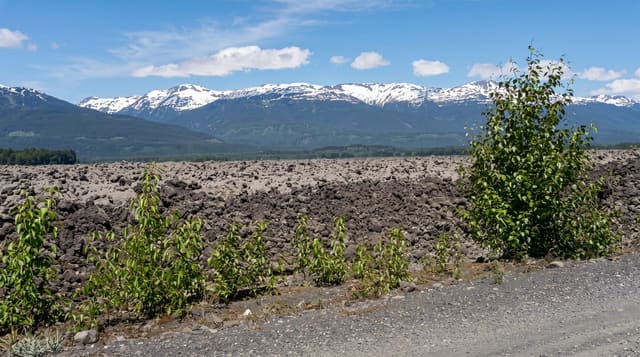
Iceland's largest lava flow in over two centuries, erupted through the winter of 2014 and 2015.
Updated 30 August 2026
UNESCO World Heritage
The Holuhraun eruption opened north of Vatnajokull in August 2014 and ran until late February 2015, producing something over 80 square kilometres of lava - the largest flow in Iceland since the Laki eruption of the 1780s - fed by magma that travelled underground for tens of kilometres from beneath the Bardarbunga volcano, whose caldera floor sank by tens of metres as it drained. Because the fissure was in the open desert rather than under ice, there was little ash and no significant international disruption, but the sulphur dioxide output was very large and air quality warnings were issued across the country for months. The field is now open, black and almost untouched.
The landscape
- Over 80 square kilometres of lava - the largest Icelandic flow since the 1780s.
- Magma from Bardarbunga - travelled underground for tens of kilometres.
- A caldera that sank - Bardarbunga's floor dropped as the chamber drained.
- Sulphur rather than ash - the reason air quality, not aviation, was the problem.
When to go
July to early September, when the highland tracks are open. A full day.
Good to know
This is deep-interior driving with unbridged rivers and no services; most people reach it on an organised trip from Myvatn. The lava is sharp and unstable and gas can still be present in hollows. Weather closes the tracks at short notice.
Nearby
Askja and Drekagil are close; Herdubreid stands to the north.
Key facts
Source: Wikidata, item Q17663620, read on 18 October 2026.
What to pack for Holuhraun
Chosen from what this place is for. Tap a kit for the full checklist.
- Broken-in walking shoes or boots - Grip and ankle support matter more than looks; never hike in brand-new boots. Find on Amazon
- Head torch + spare batteries - Hands-free light is essential; caves are truly dark. Find on Amazon
- Loose, light, long clothing - Covering up beats bare skin in the desert - and locals dress this way for a reason. Find on Amazon
- Layers + a waterproof shell - Mountain weather turns fast; a packable rain jacket saves the day. Find on Amazon
Some links on this page are Amazon affiliate links - if you buy through them we may earn a small commission at no extra cost to you.
All packing kitsPlan your trip
Where to start if Holuhraun is going on the list.
Booking links on this page are affiliate links - if you book through them we may earn a small commission at no extra cost to you. It never changes what we write about a place.
Opening times, ticket prices and seasonal closures change - check the official source before you go: official site.