Eldhraun
A moss-covered lava field from the eruption that killed a fifth of Iceland's people and chilled Europe.
Updated 30 August 2026
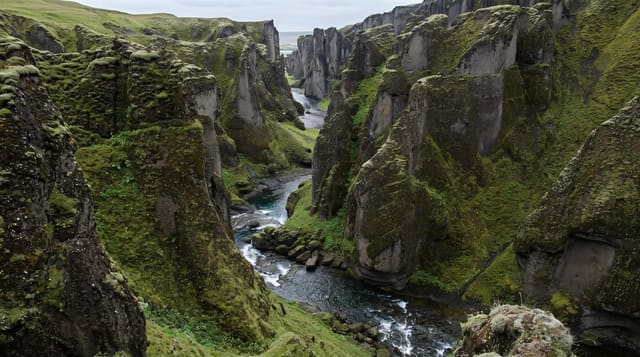
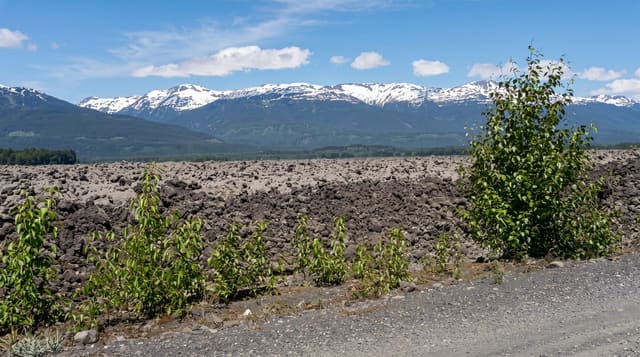
Eldhraun is the lava that came out of the Laki fissure in 1783 and 1784, one of the largest effusive eruptions in recorded history, covering something around 565 square kilometres of the south. The lava itself was only part of it: the eruption released enormous quantities of gas, which poisoned grazing, killed most of the livestock and brought the famine Icelanders call the mist hardships, in which roughly a fifth of the population died. The haze and the following cold were recorded across Europe. Today the field is under a thick grey-green coat of woolly fringe moss, and the ring road runs straight through it for kilometres.
Highlights
- Lava from 1783 to 1784 - about 565 square kilometres of it.
- The famine that followed - gas, dead livestock and roughly a fifth of the population lost.
- Effects recorded abroad - the haze and cold noted across Europe.
- A thick moss coat - grey-green over the whole field.
When to go
May to September for the moss at its best; the road crosses it all year. An hour.
Practical notes
The moss is extremely fragile - a footprint stays visible for years and walking on it is prohibited, which is why the marked stops matter. From the car it reads as endless grey-green bumps. There are only a few laybys with information boards.
Nearby
Kirkjubaejarklaustur and Kirkjugolf are east; Laki lies inland on a highland track.
Key facts
Source: Wikidata, item Q16303663, read on 18 October 2026.
What to pack for Eldhraun
Chosen from what this place is for. Tap a kit for the full checklist.
- Broken-in walking shoes or boots - Grip and ankle support matter more than looks; never hike in brand-new boots. Find on Amazon
- Layers + a waterproof shell - Mountain weather turns fast; a packable rain jacket saves the day. Find on Amazon
- Daypack with rain cover - 20-30 litres holds water, snacks, layers and a first-aid kit. Find on Amazon
- Offline maps + a power bank - Download the trail before you lose signal; carry backup charge. Find on Amazon
Some links on this page are Amazon affiliate links - if you buy through them we may earn a small commission at no extra cost to you.
All packing kitsPlan your trip
Where to start if Eldhraun is going on the list.
Booking links on this page are affiliate links - if you book through them we may earn a small commission at no extra cost to you. It never changes what we write about a place.
Opening times, ticket prices and seasonal closures change - check the official source before you go: official site.