Szigetvar Fortress
The fortress of the 1566 siege, where a Hungarian garrison died and a sultan died with them.
Updated 31 August 2026
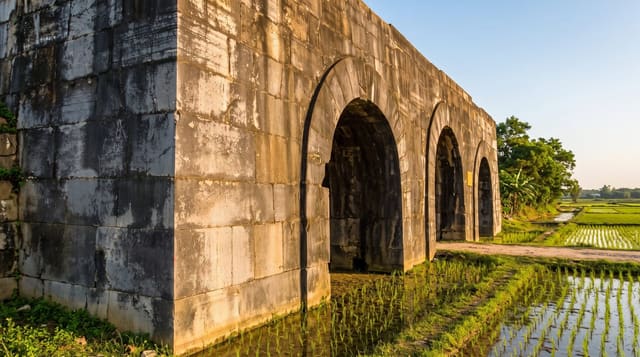
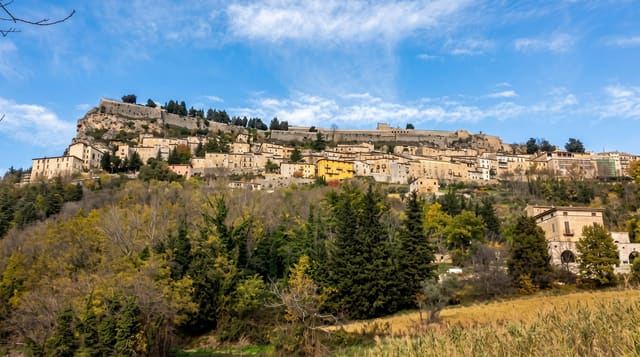
In 1566 Suleiman the Magnificent brought an army estimated in the tens of thousands against a garrison of around two and a half thousand at Szigetvar under Miklos Zrinyi. The siege lasted a month; the sultan died in his tent before it ended, a death concealed from his own army; and when the last inner castle burned, Zrinyi led the survivors out through the gate in a charge that killed them all. The event became foundational in both Hungarian and Croatian national memory, and it is written about in a Baroque epic by Zrinyi's great-grandson. The fortress survives with bastions, a mosque built inside it during the Ottoman century, and a museum. A friendship park outside commemorates both sides.
What's there
- The 1566 siege ground - bastions of the fortress that held for a month.
- An Ottoman mosque inside the walls - built during the occupation.
- The Hungarian-Turkish friendship park - a memorial to both sides.
- The Zrinyi story - the final charge that ended the defence.
When to go
April to October. Two to three hours. Anniversary commemorations fall in early September. Museums close on Mondays.
Good to know
The fortress is much reduced and partly rebuilt; the interest is historical rather than architectural. Displays are dated. The town is small and quiet with limited food. The site of Suleiman's tomb is outside town and only recently excavated.
Nearby
Pecs is east; the Croatian border lies south.
Key facts
Source: Wikidata, item Q1298163, read on 18 October 2026.
What to pack for Szigetvar Fortress
Chosen from what this place is for. Tap a kit for the full checklist.
- Comfortable walking shoes - Sightseeing means kilometres of pavement and cobbles daily. Find on Amazon
- Modest clothing - Shoulders and knees covered - the single most common requirement. Find on Amazon
- A slim anti-theft daypack - Zips that close properly; keep it in front in crowds and on transit. Find on Amazon
- A scarf or shawl - To cover the head or shoulders on entry; women especially at mosques. Find on Amazon
Some links on this page are Amazon affiliate links - if you buy through them we may earn a small commission at no extra cost to you.
All packing kitsPlan your trip
Where to start if Szigetvar Fortress is going on the list.
Booking links on this page are affiliate links - if you book through them we may earn a small commission at no extra cost to you. It never changes what we write about a place.
Opening times, ticket prices and seasonal closures change - check the official source before you go: official site.