Cserepvaralja Beehive Stones
Tuff cones cut with rows of shallow niches whose purpose has never been settled.
Updated 31 August 2026
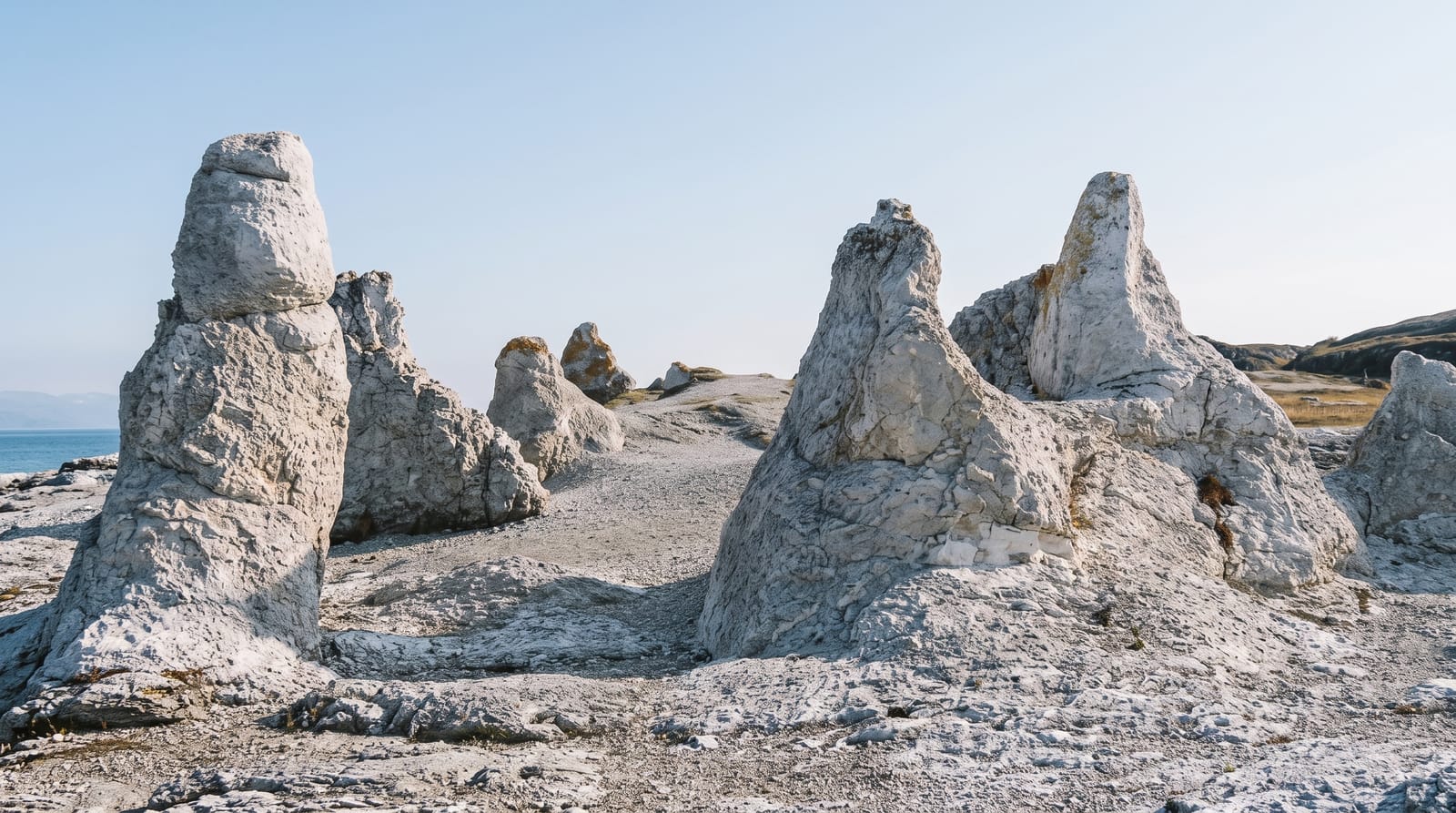
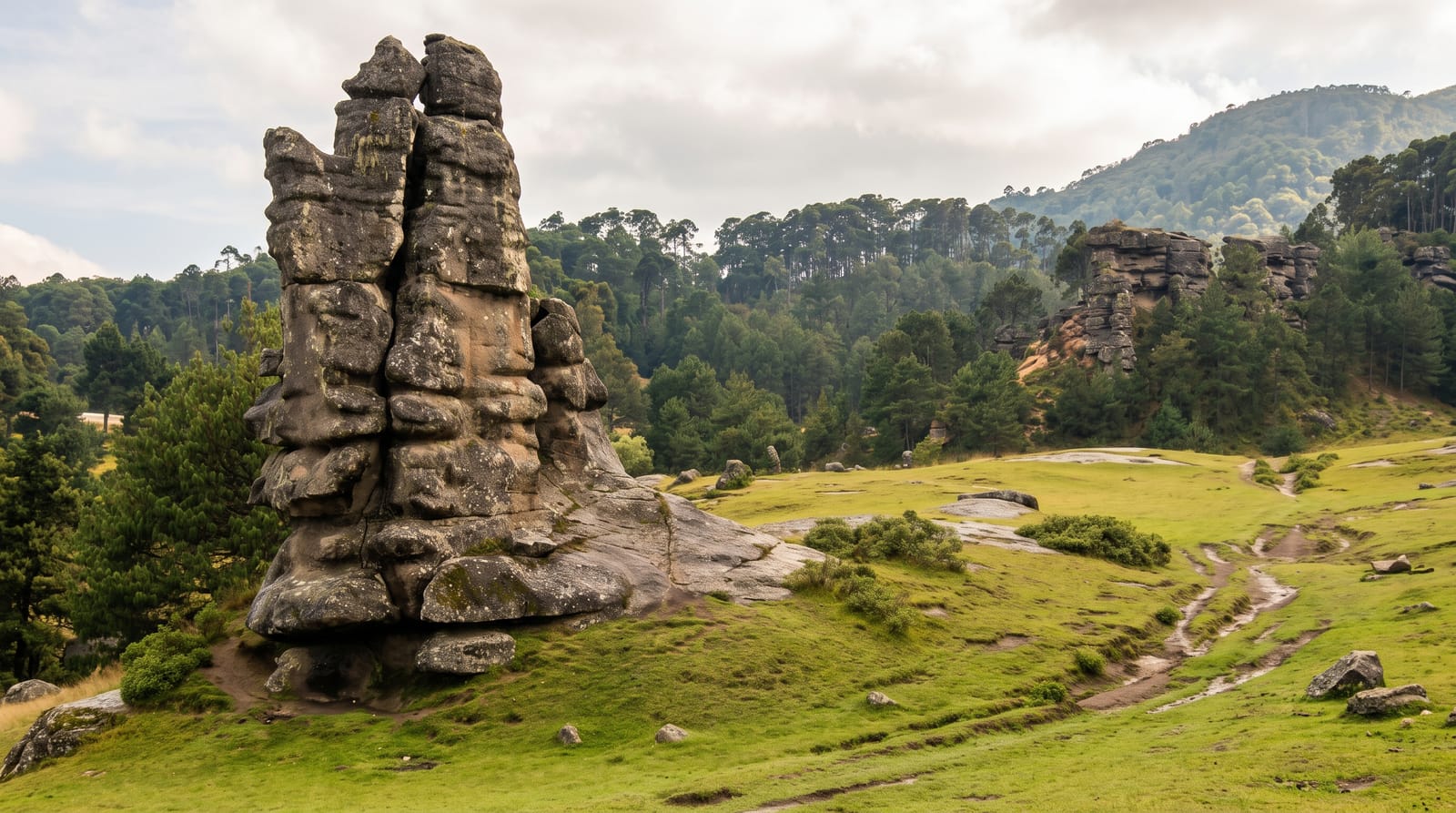
Across the southern foothills of the Bukk stand cones and pillars of soft volcanic tuff, and several hundred of them carry shallow rectangular niches cut into their faces, usually about half a metre high, often in rows, with grooves around the edges that suggest something was once fixed over them. They are called kaptarkovek, beehive stones, on the theory that they held woven hives, but the dating is uncertain and other explanations have been argued for centuries, from burial niches to offerings; no consensus exists. Cserepvaralja has one of the better concentrations, reached on short marked trails from the village, together with a ruined castle site and tuff formations shaped by weathering into cones locally called the hats.
What's there
- Carved niches in tuff cones - rows of shallow openings with fixing grooves.
- Several hundred stones in the region - a concentration found nowhere else.
- An unresolved purpose - hives, burials or offerings, still argued.
- Weathered tuff pillars - the cone shapes the erosion leaves.
When to go
April to October. Two hours on the marked trails. Spring and autumn give the clearest views before and after leaf cover. Wear proper shoes; the paths are rough.
Before you go
The stones are small and easy to walk past; without the explanation they underwhelm. Trails are marked but rough and can be muddy. There are no facilities. The village has little else.
Nearby
Noszvaj cave dwellings are west; Eger lies beyond them.
What to pack for Cserepvaralja Beehive Stones
Chosen from what this place is for. Tap a kit for the full checklist.
- Head torch + spare batteries - Hands-free light is essential; caves are truly dark. Find on Amazon
- Comfortable walking shoes - Sightseeing means kilometres of pavement and cobbles daily. Find on Amazon
- Swimwear - Needed at most public thermal pools; some traditional baths are nude and single-sex. Find on Amazon
- Grippy closed shoes - Cave floors are wet, muddy and slick with formations. Find on Amazon
Some links on this page are Amazon affiliate links - if you buy through them we may earn a small commission at no extra cost to you.
All packing kitsPlan your trip
Where to start if Cserepvaralja Beehive Stones is going on the list.
Booking links on this page are affiliate links - if you book through them we may earn a small commission at no extra cost to you. It never changes what we write about a place.
Opening times, ticket prices and seasonal closures change - check the official source before you go: official site.