Sabanagrande
A colonial village on the southern highway an hour from the capital, built around a large colonial church.
Updated 21 October 2026
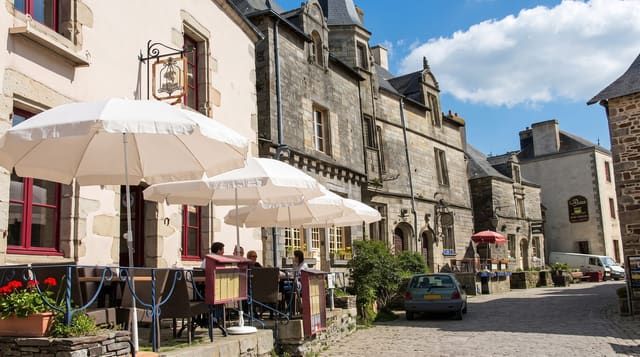
Sabanagrande sits on the highway south of the capital and keeps a colonial centre of cobbled streets and adobe houses around the church of Nuestra Señora del Rosario, a colonial building substantial enough to look out of scale with the village. It was a stop on the old route south and has kept the shape that gave it. Rosquillas, the ring-shaped corn and cheese biscuits, are made here and sold along the road, which is why most people stop.
Highlights
- The church - a large colonial building on the square.
- The cobbled streets - adobe and tile houses through the old centre.
- The rosquillas - corn and cheese biscuits baked in the village and sold at the roadside.
- The highway setting - the old southern route running past the village.
When to go
November to April is the driest. Weekends bring visitors from the capital stopping for rosquillas. The village is quiet on weekdays.
What to expect
The village is small and an hour covers it, so it works as a stop rather than a destination. The highway runs close and the noise carries. There is limited food beyond the biscuits.
Nearby
Ojojona is northwest on a parallel road, and Tegucigalpa is about an hour north.
Key facts
Source: Wikidata, item Q2573365, read on 18 October 2026.
What to pack for Sabanagrande
Chosen from what this place is for. Tap a kit for the full checklist.
- Comfortable walking shoes - Sightseeing means kilometres of pavement and cobbles daily. Find on Amazon
- A slim anti-theft daypack - Zips that close properly; keep it in front in crowds and on transit. Find on Amazon
- A refillable water bottle - Many cities have public fountains; save money and plastic. Find on Amazon
- A light layer + compact umbrella - For museum air-con and a sudden shower. Find on Amazon
Some links on this page are Amazon affiliate links - if you buy through them we may earn a small commission at no extra cost to you.
All packing kitsPlan your trip
Where to start if Sabanagrande is going on the list.
Booking links on this page are affiliate links - if you book through them we may earn a small commission at no extra cost to you. It never changes what we write about a place.
Opening times, ticket prices and seasonal closures change - check the official source before you go: official site.