Shell Beach
A remote Atlantic shore in north-west Guyana where four species of sea turtle nest, a protected stretch of beaches backed by swamp and mangrove.
Updated 8 November 2026
AI illustration
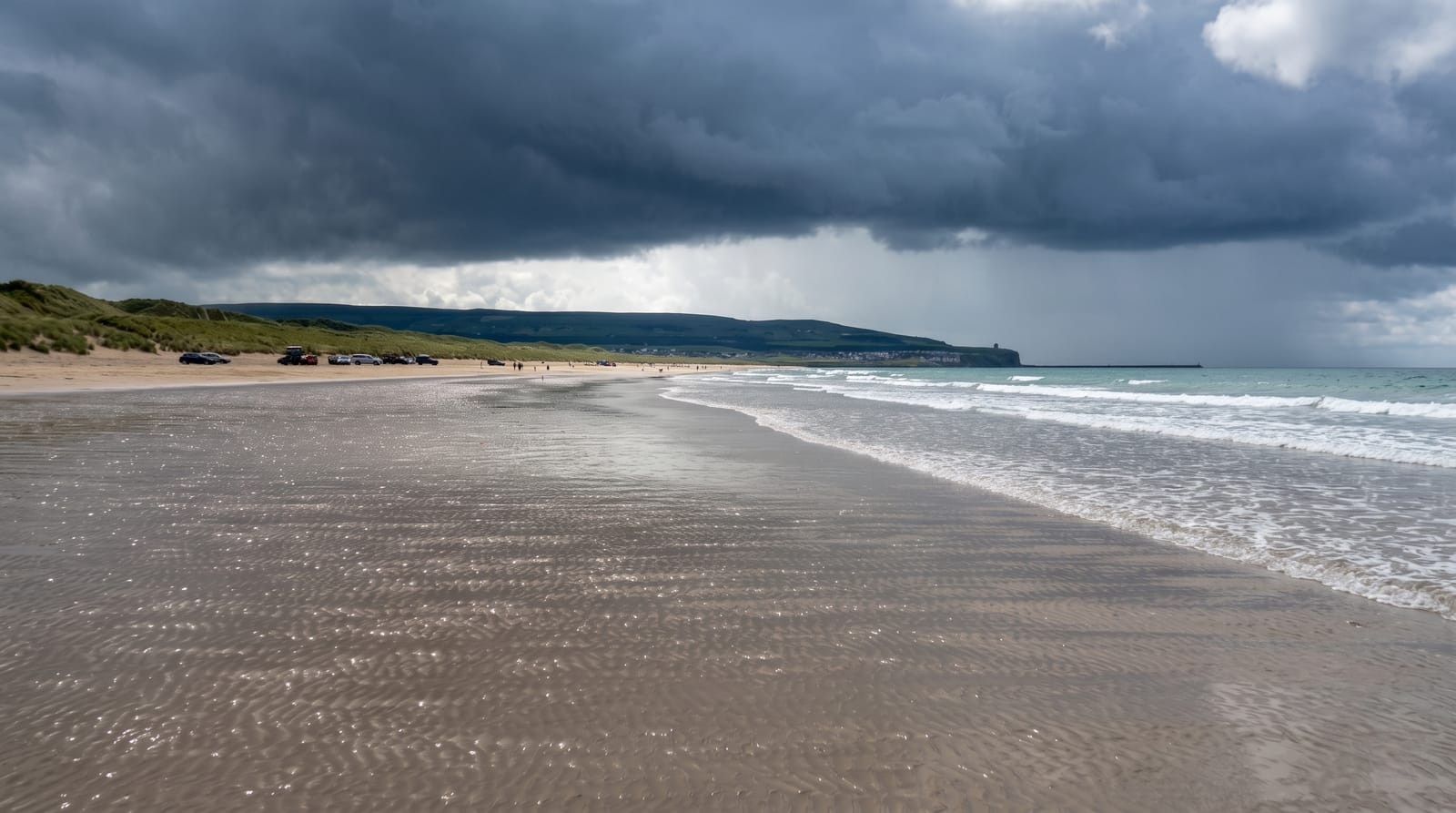
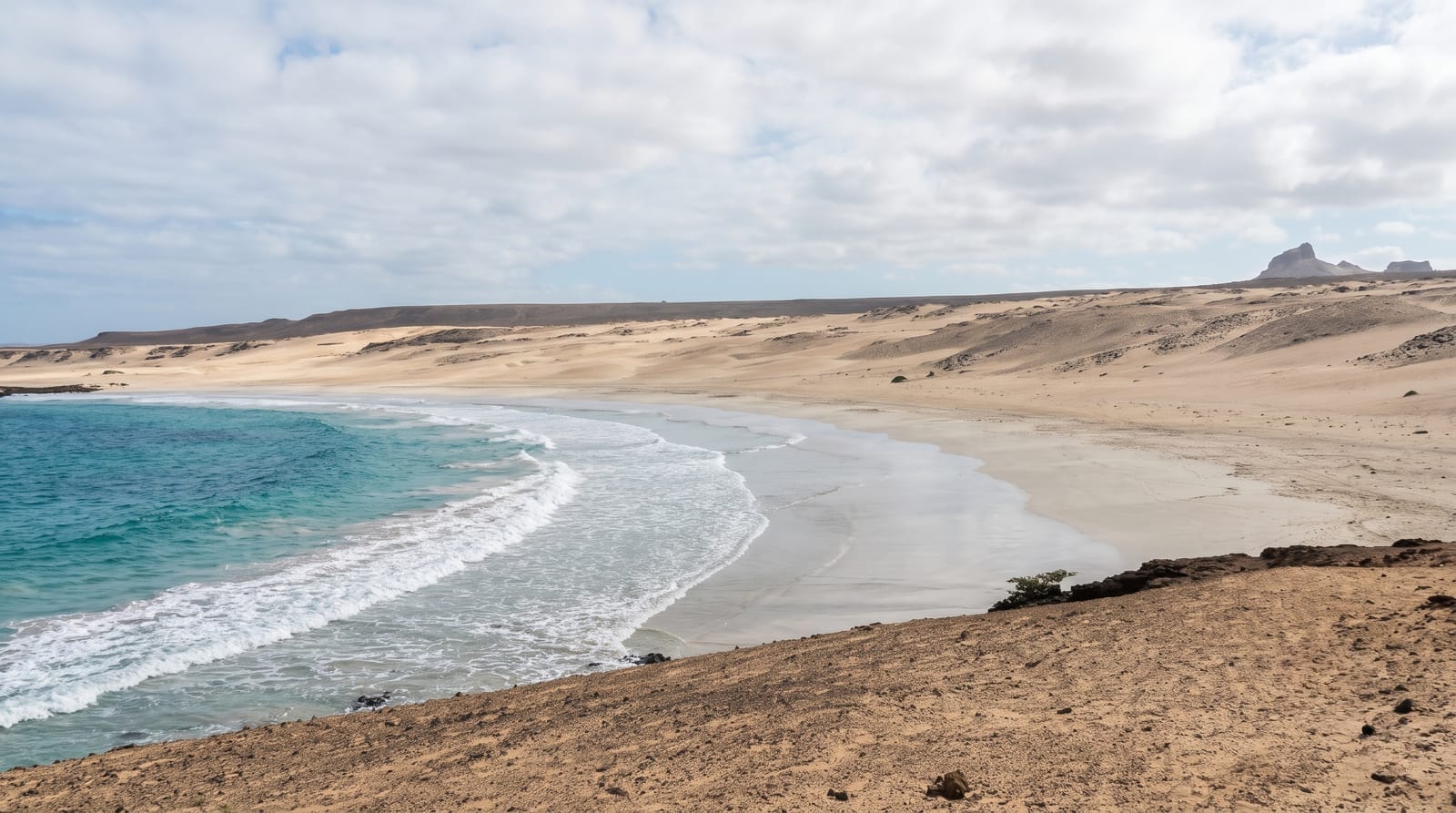
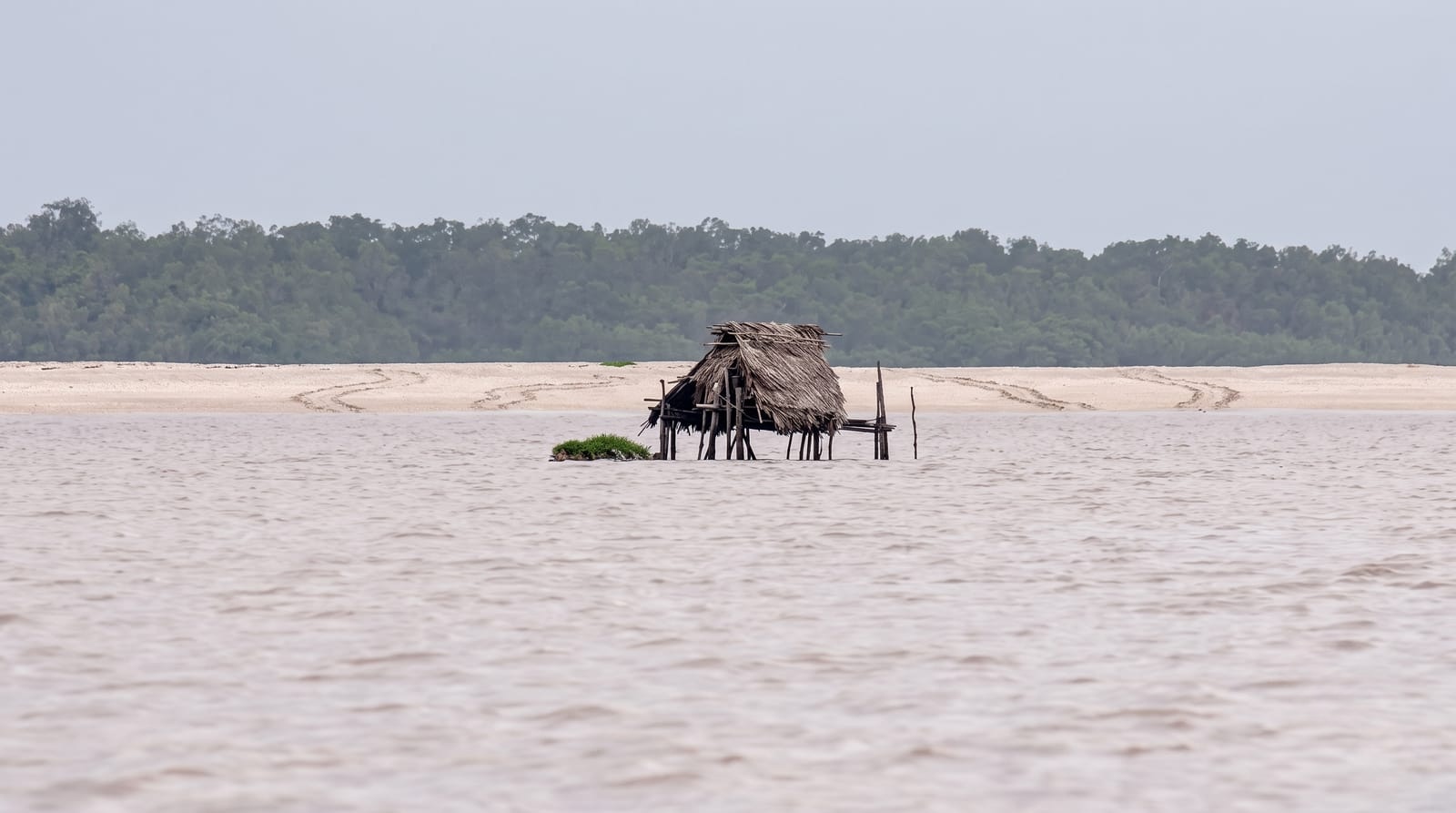
Shell Beach, also called Kamawatta Beach, runs for about 120 km, or 140 by another count, along the Atlantic coast of the Barima-Waini Region in north-western Guyana, and is made up of nine beaches backed by swamps and mangrove forest; the sea off it is rich in life, lying between the estuaries of the Essequibo and the Orinoco. Four sea turtle species nest here: the green, hawksbill, leatherback and olive ridley. Local people long hunted the turtles for meat and eggs; Peter Pritchard's yearly visits from the 1960s began the work to protect them, conservation meant offering the villagers other food, and the area has been protected with the WWF and local groups since 2001 and as a nature reserve since 2011. Amerindian villages lie beside it and within it, the largest, Almond Beach and Gwennie Beach, with 150 to 180 people each, and their people take part in the programme. In 1995 the beach was placed on Guyana's tentative list for World Heritage.
Background
Shell Beach lies on Guyana's Atlantic coast in the Barima-Waini Region, near the Venezuelan border, and stretches for about 120 km. Four of the world's eight sea turtle species nest on it: the green, hawksbill, leatherback and olive ridley. Local people once hunted the turtles for meat and eggs; the English ecologist Peter Pritchard began visiting in the 1960s and worked to protect them, founding the Guyana Marine Turtle Conservation Society with Romeo De Freitas. The beach has been part of a protected area organised with the World Wide Fund for Nature since 2001, and Amerindians from Almond Beach, Gwennie Beach and nine other villages take part.
Source: Wikipedia, "Shell Beach, Guyana"
The landscape
- Nesting turtles - green, hawksbill, leatherback and olive ridley.
- The shore - nine beaches strung along about 120 km of coast.
- The mangroves - swamps and mangrove forest behind the beaches.
- Community conservation - Amerindian villagers from Almond Beach, Gwennie Beach and other villages in the programme.
When to go
March to August.
Practical notes
Shell Beach is remote and hard to reach, and tours there usually last several days. The coast is also vulnerable to erosion and forest fires, threats made worse by climate change.
Nearby
Mabaruma is about 27 km to the west-south-west and Charity about 145 km to the south-east, in a straight line; Georgetown is about 227 km to the south-east.
Key facts
Source: Wikidata, item Q7493646, read on 18 October 2026.
Opening times, ticket prices and seasonal closures change - check the official source before you go: official site.
Plan your trip
Where to start if Shell Beach is going on the list.
Booking links on this page are affiliate links - if you book through them we may earn a small commission at no extra cost to you. It never changes what we write about a place.
What to pack for Shell Beach
Chosen from what this place is for. Tap a kit for the full checklist.
- Reef-safe sunscreen - High SPF that will not bleach the coral you are swimming over. Find on Amazon
- Binoculars - The single best wildlife tool - even a compact pair transforms a sighting. Find on Amazon
- Quick-dry towel - A microfibre towel packs small and dries in minutes. Find on Amazon
- A zoom camera or long lens - Animals rarely come close; reach beats megapixels. Find on Amazon
Some links on this page are Amazon affiliate links - if you buy through them we may earn a small commission at no extra cost to you.
All packing kits