Bafatá
An interior river town with a decaying Portuguese colonial centre.
Updated 19 October 2026
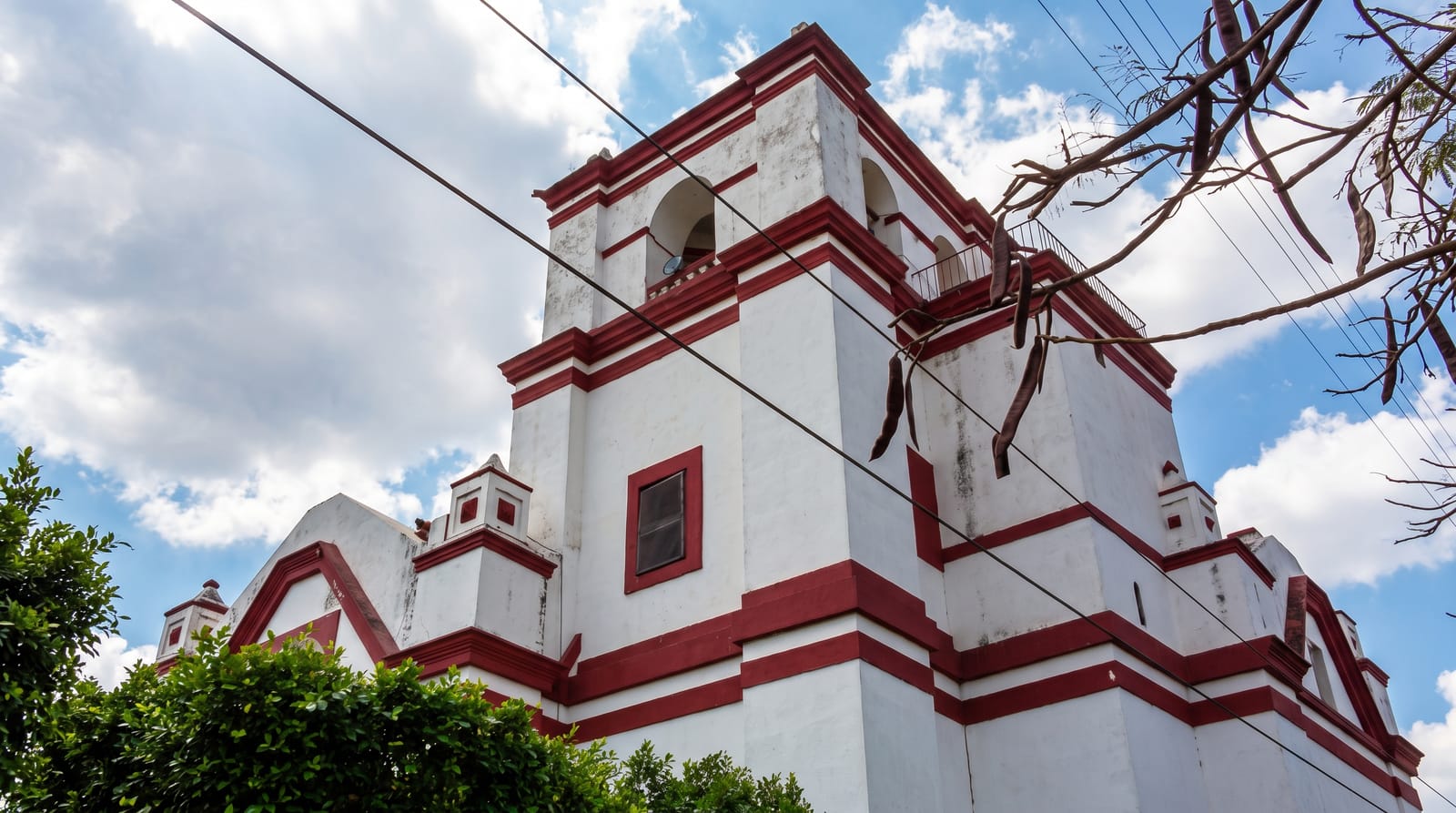
Bafatá sits on the Geba river in Guinea-Bissau's interior and is the country's second-largest city, a trading centre with a grid of colonial buildings, arcaded streets and warehouses along the river, most of which are now empty and weathering. Amílcar Cabral was born here. The market still works and the town serves the surrounding farming country. The town was founded in the mid-1800s by the Mandinka Malam Santi, and by the 1880s it was a Portuguese trading centre for peanuts, cattle, hides, textiles and salt; after the Portuguese post at Geba moved here in 1906 the market, port and bridge were built, and Bafatá became a town in 1913.
History
The name comes from the Mandinka baa faata, "the river is full", for the Geba. The town was founded in the mid 1800s by the Mandinka Malam Santi, and by the 1880s it was an established Portuguese trading centre for peanuts, cattle, hides, textiles and salt; in 1906 the Portuguese post of nearby Geba moved here, its market, port and bridge were built, and it became a town in 1913 (Wikipedia, Bafatá).
The main sights
- The colonial centre - the arcaded streets and warehouses of the old town.
- The Geba river - the water the town was built to trade on.
- The market - the working trading centre for the region.
- The Cabral birthplace - the house of the independence leader.
When to go
November to May is the dry season and the roads are best. The rains from June make travel difficult. Market days are busiest.
What to expect
Most of the colonial fabric is derelict and some is unsafe. Facilities are basic. The town is quiet outside market days.
Nearby
Gabú is east, and Bissau is west.
Key facts
Source: Wikidata, item Q799788, read on 18 October 2026.
What to pack for Bafatá
Chosen from what this place is for. Tap a kit for the full checklist.
- Comfortable walking shoes - Sightseeing means kilometres of pavement and cobbles daily. Find on Amazon
- A slim anti-theft daypack - Zips that close properly; keep it in front in crowds and on transit. Find on Amazon
- A refillable water bottle - Many cities have public fountains; save money and plastic. Find on Amazon
- A light layer + compact umbrella - For museum air-con and a sudden shower. Find on Amazon
Some links on this page are Amazon affiliate links - if you buy through them we may earn a small commission at no extra cost to you.
All packing kitsPlan your trip
Where to start if Bafatá is going on the list.
Booking links on this page are affiliate links - if you book through them we may earn a small commission at no extra cost to you. It never changes what we write about a place.
Opening times, ticket prices and seasonal closures change - check the official source before you go: official site.