Neda Waterfalls
A gorge on the only river in Greece with a female name, where a path leads to falls and deep swimmable pools.
Updated 4 September 2026

AI illustration
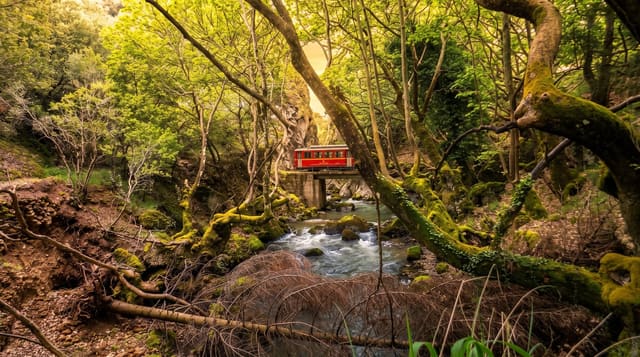
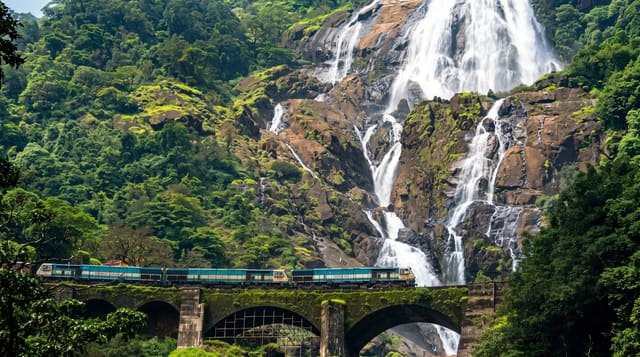
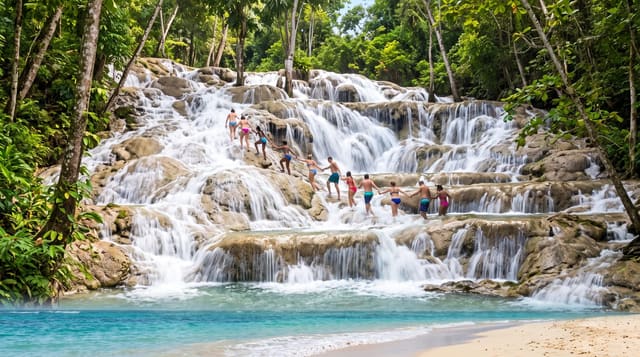
The Neda runs about 32 kilometres from the slopes of Mount Lykaion to the Ionian Sea, cutting a narrow gorge of plane trees and polished rock; it is the only river in Greece to carry a woman's name, that of the nymph who, in myth, helped hide the infant Zeus. The best-known section lies below Figaleia, where a marked path descends to a series of falls, the largest dropping into a cold green pool beneath an overhang that walkers swim into and behind. Deeper in the gorge lie the Stomio falls, where the river disappears into a rock swallow-hole, and a chain of pools linked by scrambling and short swims that canyoning groups use. Old stone bridges and abandoned watermills stand along the banks, and the ancient site of Figaleia sits on the ridge above.
What you'll find
- The main fall - a drop into a deep pool with a cave behind the water.
- The gorge pools - a chain of swimmable basins under plane trees.
- The Stomio sink - the point where the river vanishes into the rock.
- The old mills and bridges - stone remains along the riverbanks.
When to go
May and June for full flow and manageable temperatures; July and August for warm swimming, though the water stays cold. Winter and spring floods make the gorge dangerous.
Good to know
The descent is steep, rocky and slippery, and coming back up is a genuine climb. Beyond the first falls the route requires scrambling and swimming and is best done with a guide. There are no facilities, no lifeguards and no phone signal in the gorge.
Nearby
Bassae temple lies northeast in the mountains; the coast at Kyparissia is west.
What to pack for Neda Waterfalls
Chosen from what this place is for. Tap a kit for the full checklist.
- Broken-in walking shoes or boots - Grip and ankle support matter more than looks; never hike in brand-new boots. Find on Amazon
- Reef-safe sunscreen - High SPF that will not bleach the coral you are swimming over. Find on Amazon
- Head torch + spare batteries - Hands-free light is essential; caves are truly dark. Find on Amazon
- Modest clothing - Shoulders and knees covered - the single most common requirement. Find on Amazon
Some links on this page are Amazon affiliate links - if you buy through them we may earn a small commission at no extra cost to you.
All packing kitsPlan your trip
Where to start if Neda Waterfalls is going on the list.
Booking links on this page are affiliate links - if you book through them we may earn a small commission at no extra cost to you. It never changes what we write about a place.
Opening times, ticket prices and seasonal closures change - check the official source before you go: official site.