Lake Trichonida
The largest natural lake in Greece, ringed by mountains and orange groves and almost entirely undeveloped.
Saved in this browser only - no account, nothing sent anywhere. See your map
Trichonida covers about 97 square kilometres and reaches 58 metres deep, making it the largest natural lake in Greece by both measures. It sits in a basin between mountain ranges, fringed by reedbeds, olive and orange groves, with small villages along the shore and almost no tourist development; a road runs most of the way around, taking about two hours with stops. The lake holds several endemic fish, including a small stickleback found nowhere else, and its wetlands draw herons, cormorants and wintering ducks. On the northern shore the village of Thermo holds the ancient sanctuary of Apollo Thermios with its long stoa foundations and a museum, and the mountain villages above give views over the whole basin. Swimming is possible from gravel shores, and the water is fresh and cool.
What you actually see
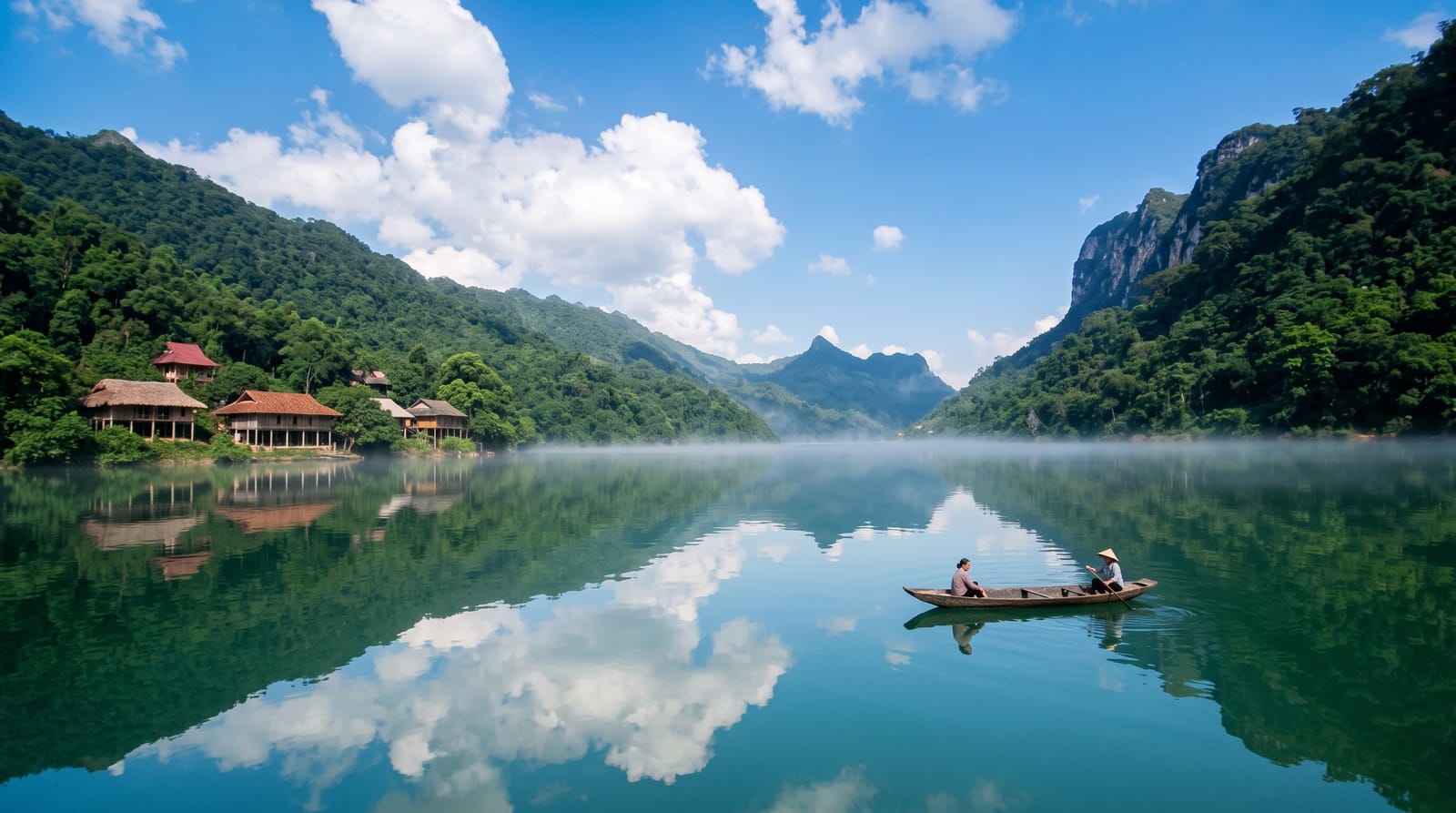
- The lake basin - open water ringed by mountains and groves.
- Ancient Thermo - the sanctuary of Apollo above the northern shore.
- The shore villages - small settlements and tavernas around the water.
- The reedbeds - wetland margins with herons and wintering wildfowl.
When to go
Spring for green hills and birds, autumn for the citrus harvest and clear air. Summer is hot in the basin, though the lake tempers it. Winter can be misty and atmospheric.
Honest expectations
There is very little infrastructure: no organised swimming spots, few signposts and limited accommodation. The lake is best treated as a scenic drive with stops rather than a resort. A car is essential.
Nearby
Agrinio is the regional town; the Messolonghi lagoon lies south, and Karpenisi's mountains are northeast.
What to pack for Lake Trichonida
Chosen from what this place is for. Tap a kit for the full checklist.
Opening times, ticket prices and seasonal closures change - check the official source before you go: official site.