Fort Patience
A Dutch fort on the hill above Apam, named for the slowness of its construction and overlooking a busy fishing harbour.
Updated 18 October 2026
UNESCO World Heritage
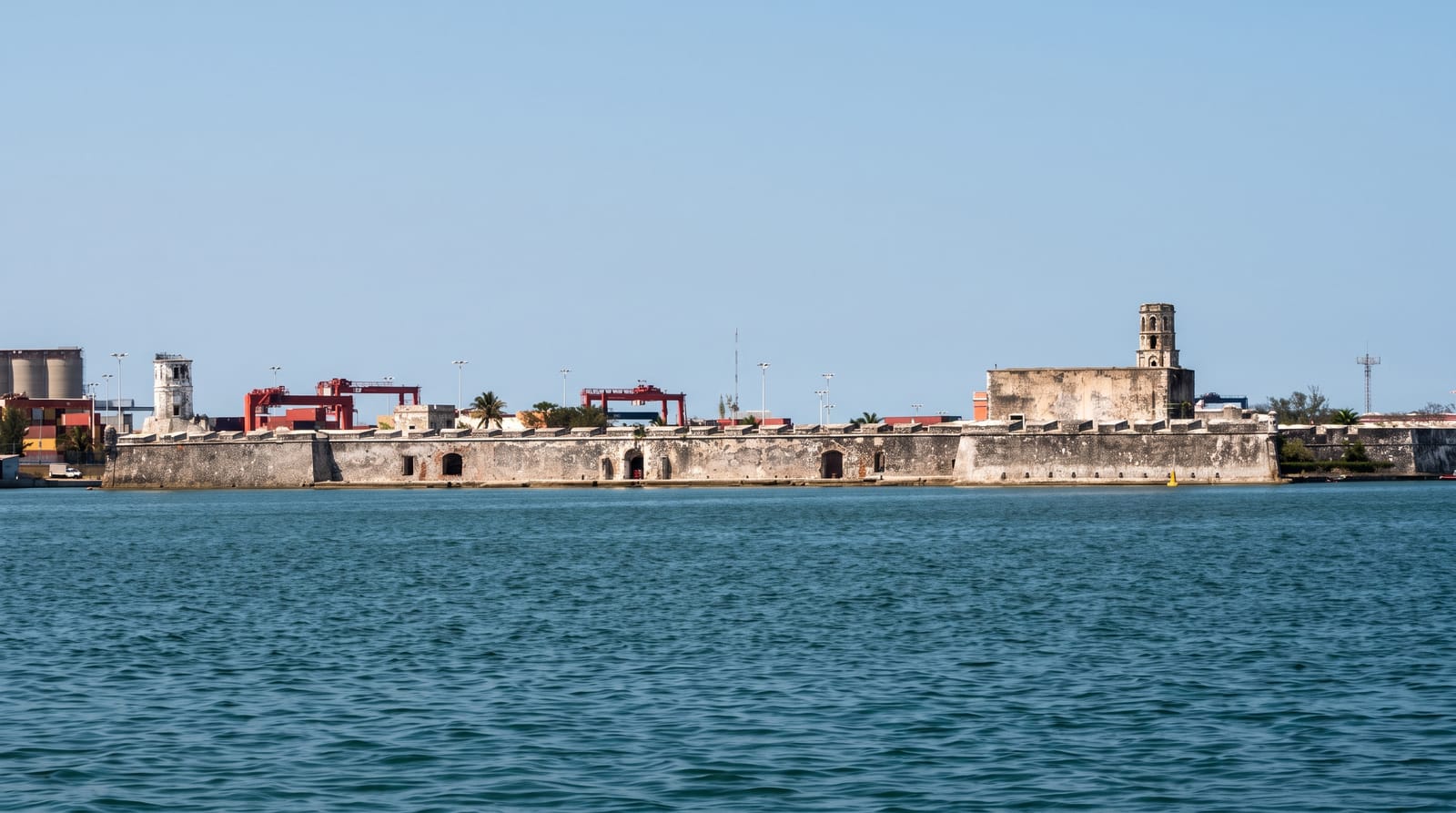
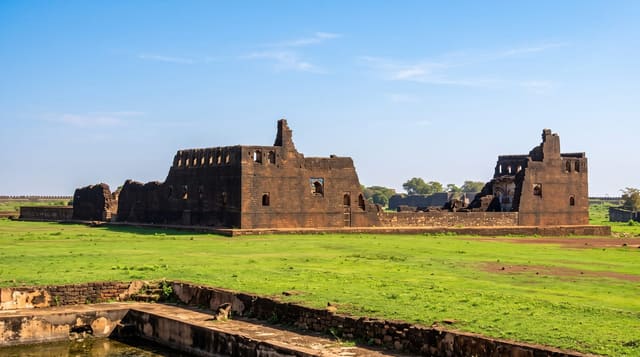
Fort Patience, Lijdzaamheid in Dutch, was begun at Apam in 1697 as a stone trading lodge, and the Dutch, building it at minimal cost while the local king pressed them for stronger walls, took five years to finish it, which is how it got its name. It stands on the headland above the town looking down on one of the busier fishing harbours on the Central Region coast, where large numbers of painted canoes work from the beach. The fort is a simple square with bastions and a courtyard, and like the others in the group it served the gold trade and then the trade in enslaved people before passing to Britain in 1868. It was later used as a rest house. It is part of the World Heritage inscription covering the forts and castles of the Ghanaian coast.
History
The Dutch first built a stone trading lodge at Apam in 1697 at the request of the King of Acron, their treaty partner between the Fante and Agona, who were allied with the British; the Dutch West India Company agreed only if it cost little, the Acron kept threatening to expel them unless they strengthened it, and it took five years to finish, hence the name Fort Patience, Lijdzaamheid. By 1721 the lodge had become a defensive fort on a craggy peninsula overlooking Apam's harbour and the Gulf of Guinea, and early in 1782, in the Fourth Anglo-Dutch War, the British captain Thomas Shirley captured it with other Dutch forts on the coast (Wikipedia, Fort Patience).
What to look for
- The hilltop fort - the square Dutch structure above the town.
- Apam harbour - the canoe fleet and beach below the headland.
- Bastions and courtyard - the surviving defensive layout.
- The coastal view - the shoreline from the fort walls.
When to go
November to March for the dry season. Early morning is when the fishing fleet lands and the harbour below is at its most active. Visits are guided by a caretaker.
Practical notes
The fort is in modest condition with limited conservation. Interpretation depends on the caretaker being present. The climb up from the town is steep. Facilities are minimal.
Nearby
Senya Beraku lies east; Winneba is northeast along the coast.
Key facts
Source: Wikidata, item Q954593, read on 18 October 2026.
What to pack for Fort Patience
Chosen from what this place is for. Tap a kit for the full checklist.
- Travel rod + reel - A packable multi-piece rod fits in a case and covers most holiday fishing. Find on Amazon
- Quick-dry clothing - Board shorts or synthetics that shrug off spray and dry fast. Find on Amazon
- Comfortable walking shoes - Sightseeing means kilometres of pavement and cobbles daily. Find on Amazon
- A small tackle selection - Hooks, weights, line and a few lures or flies suited to local waters. Find on Amazon
Some links on this page are Amazon affiliate links - if you buy through them we may earn a small commission at no extra cost to you.
All packing kitsPlan your trip
Where to start if Fort Patience is going on the list.
Booking links on this page are affiliate links - if you book through them we may earn a small commission at no extra cost to you. It never changes what we write about a place.
Opening times, ticket prices and seasonal closures change - check the official source before you go: official site.