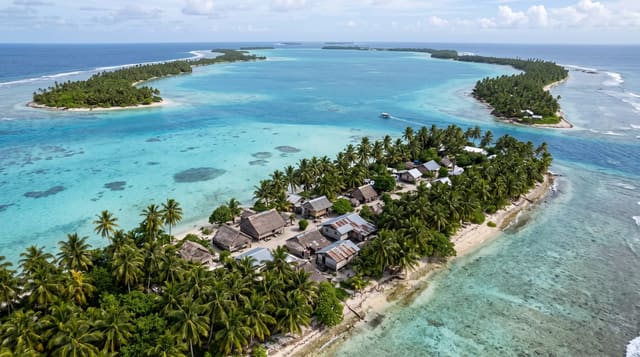
Helgoland
A red sandstone rock seventy kilometres by sea from Cuxhaven, car-free, with a sea stack, a seabird cliff and a sister island of seals.
Updated 19 October 2026
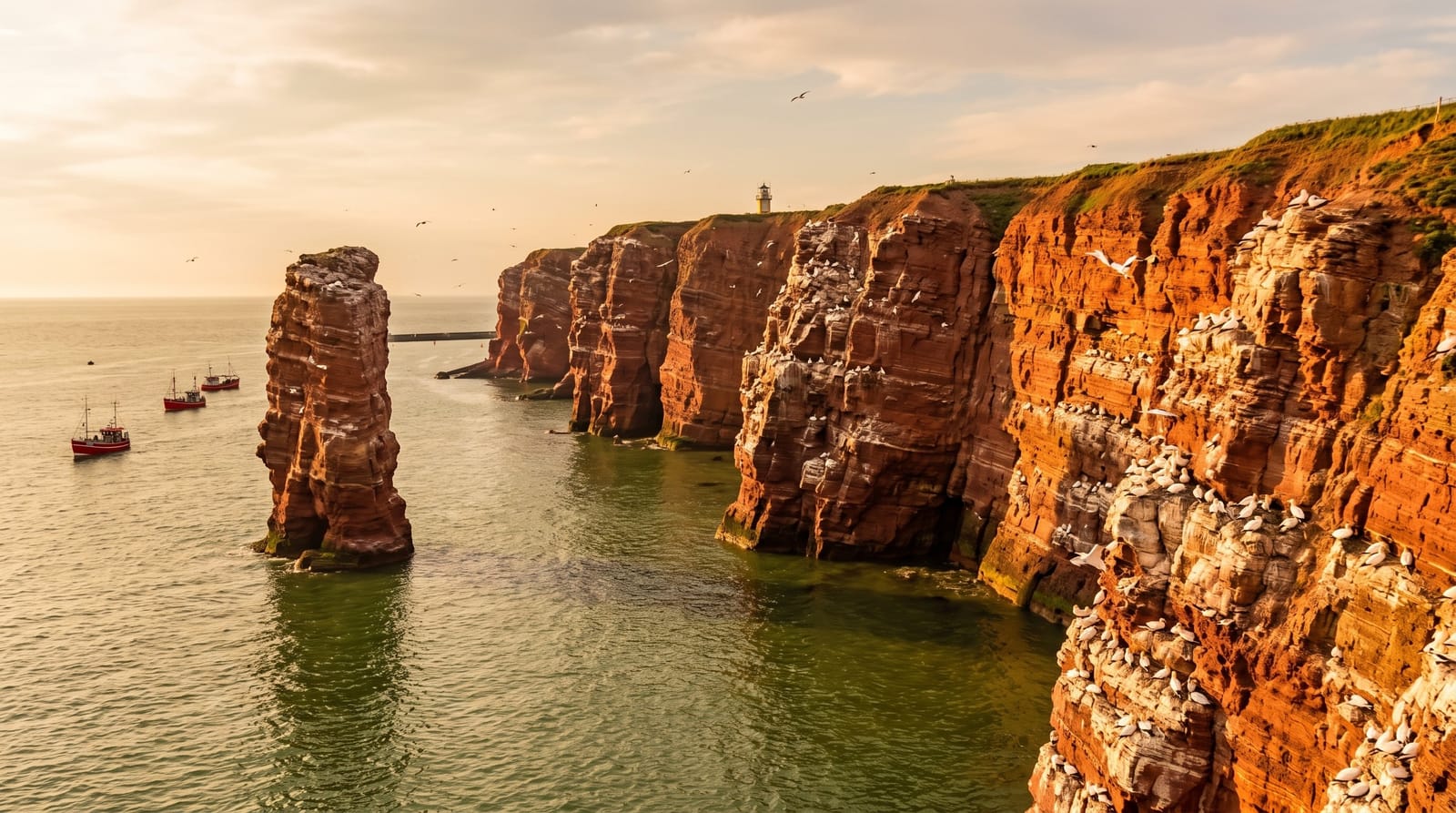
AI illustration
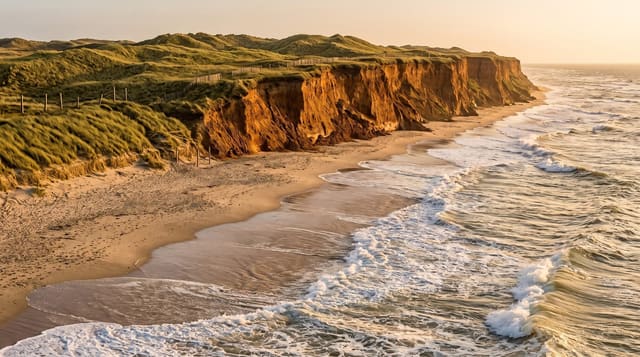
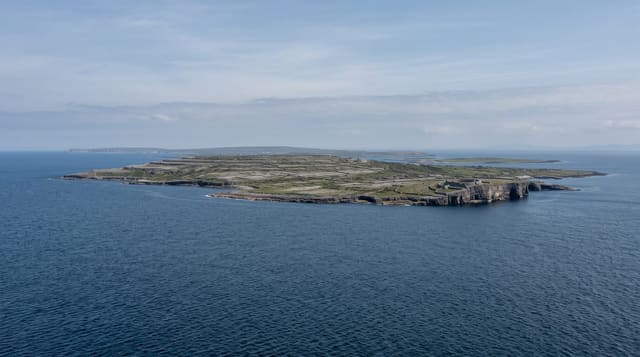
Helgoland sits alone in the German Bight, about seventy kilometres by sea from Cuxhaven at the mouth of the Elbe, which is far enough that the water around it is clear and properly oceanic. The island is red sandstone split into a low town and an upper plateau joined by a lift and a long flight of steps. A clifftop circuit runs the whole rim, past the Lummenfelsen where gannets and guillemots nest close enough to the railing to be watched without optics, and out to Lange Anna, a free-standing stack at the northwestern corner. A separate low island of sand, the Dune, lies a few hundred metres east and holds a grey seal colony. No cars, no bicycles.
History
People lived in the German Bight from prehistoric times, and flint tools have been found on the sea floor around Heligoland and burial mounds on the Oberland; in 697, by Alcuin's account, Radbod, the last Frisian king, retreated to the island after his defeat by the Franks, and by 1231 it belonged to the Danish king Valdemar II, with copper ore processed here in the 12th to 14th centuries. Islanders lived by fishing, hunting birds and seals, wrecking and piloting ships into Hanseatic ports such as Bremen and Hamburg, and ownership switched between Denmark-Norway and the Duchy of Schleswig until 1714, after which it stayed Danish until 1807. That year Britain took it in the Napoleonic Wars, Denmark ceded it by the Treaty of Kiel of 14 January 1814, and in 1826 Heligoland became a seaside spa; it passed to Germany in 1890 (Wikipedia, Heligoland).
What you'll find
- Lange Anna - the free-standing red sandstone stack at the northwestern corner.
- The Lummenfelsen - a seabird cliff with gannets and guillemots nesting metres from the path.
- The Dune - the low sister island of sand, with grey seals hauled out on the beach.
- The Oberland circuit - a path around the upper plateau with open sea on three sides.
When to go
May to July is the seabird season, with the guillemot chicks leaving the cliff in the second half of June. Grey seals pup on the Dune around the turn of the year, which is the other reason to come. Crossings run most reliably from late spring to early autumn; check the return time before you plan anything ashore.
Good to know
The crossing takes two to three hours on the ferry and the German Bight is often rough. Bad weather cancels sailings with little notice. A standard day trip leaves only about four hours ashore, which is enough for the cliff path and nothing else. The town was rebuilt in the 1950s and looks it, gulls are aggressive around food, and the duty-free shops account for a lot of the traffic.
Nearby
The Dune by tender boat, and the Wadden Sea coast at Cuxhaven and Busum.
Key facts
Source: Wikidata, item Q3038, read on 18 October 2026.
What to pack for Helgoland
Chosen from what this place is for. Tap a kit for the full checklist.
- Travel rod + reel - A packable multi-piece rod fits in a case and covers most holiday fishing. Find on Amazon
- Reef-safe sunscreen - High SPF that will not bleach the coral you are swimming over. Find on Amazon
- Padded shorts - The one thing that makes a full day in the saddle bearable. Find on Amazon
- Loose, light, long clothing - Covering up beats bare skin in the desert - and locals dress this way for a reason. Find on Amazon
Some links on this page are Amazon affiliate links - if you buy through them we may earn a small commission at no extra cost to you.
All packing kitsPlan your trip
Where to start if Helgoland is going on the list.
Booking links on this page are affiliate links - if you book through them we may earn a small commission at no extra cost to you. It never changes what we write about a place.
Opening times, ticket prices and seasonal closures change - check the official source before you go: official site.