Goltzsch Viaduct
The largest brick bridge in the world, built of twenty-six million bricks because there was no stone nearby.
Updated 19 October 2026
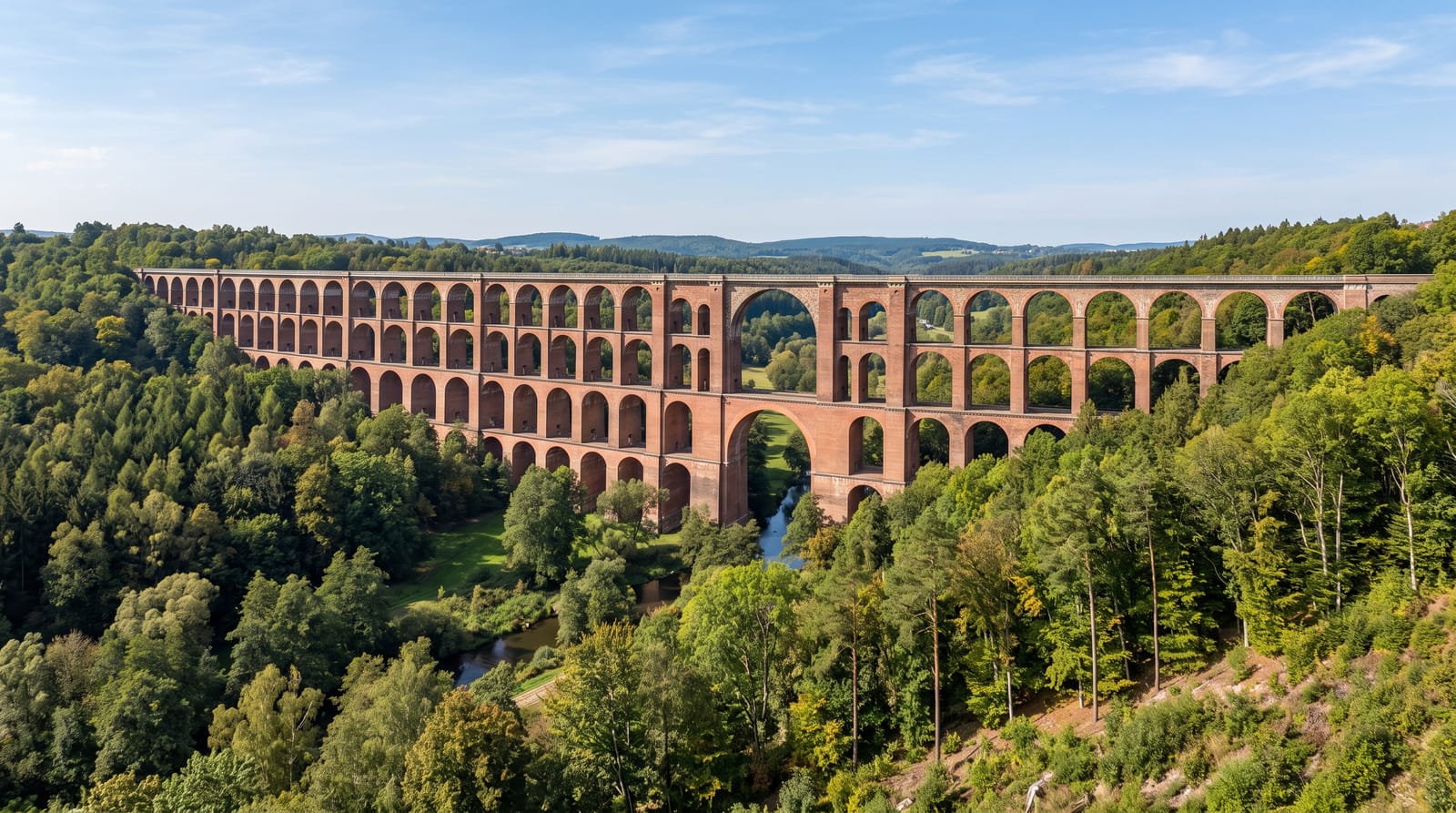
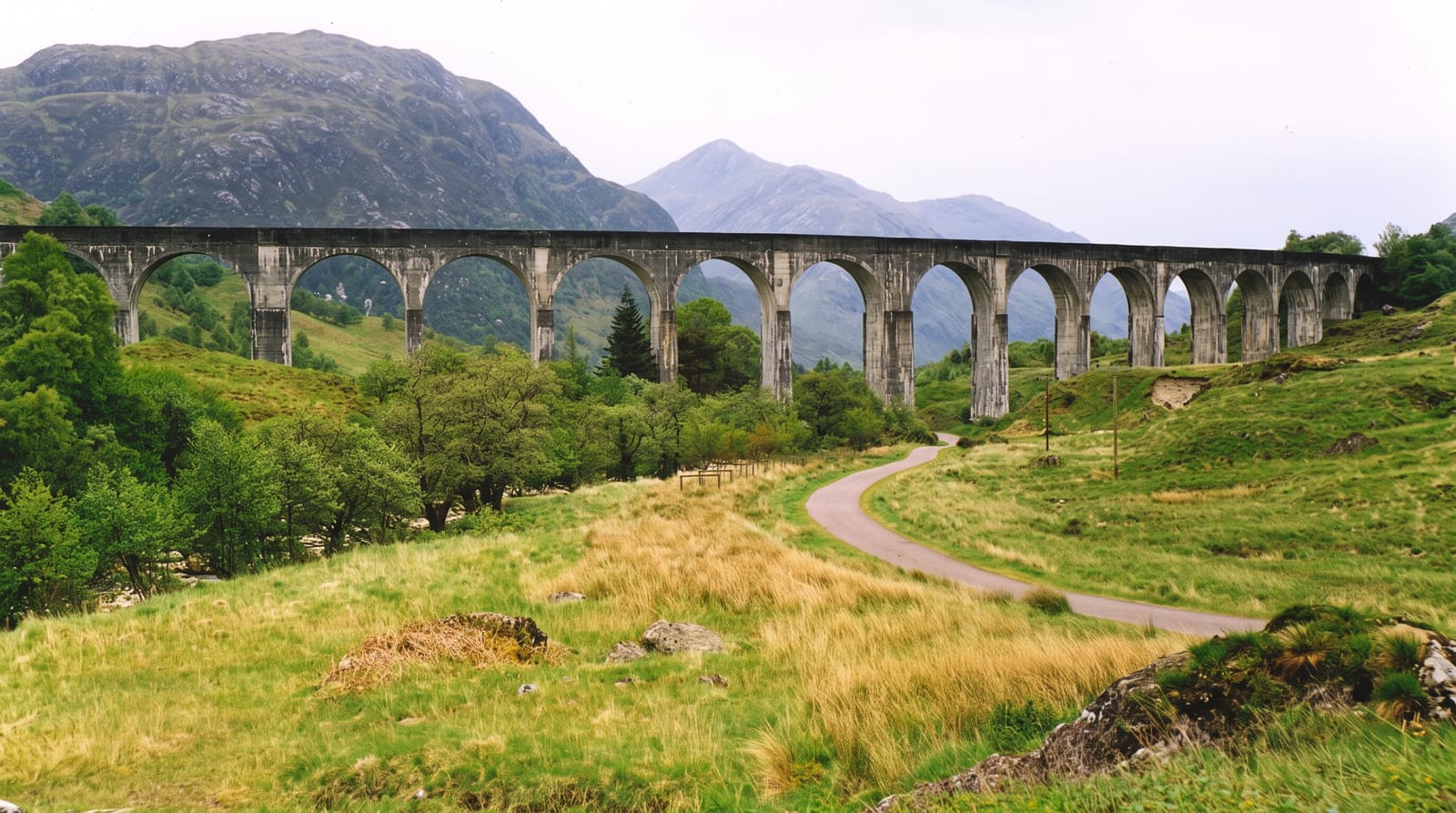
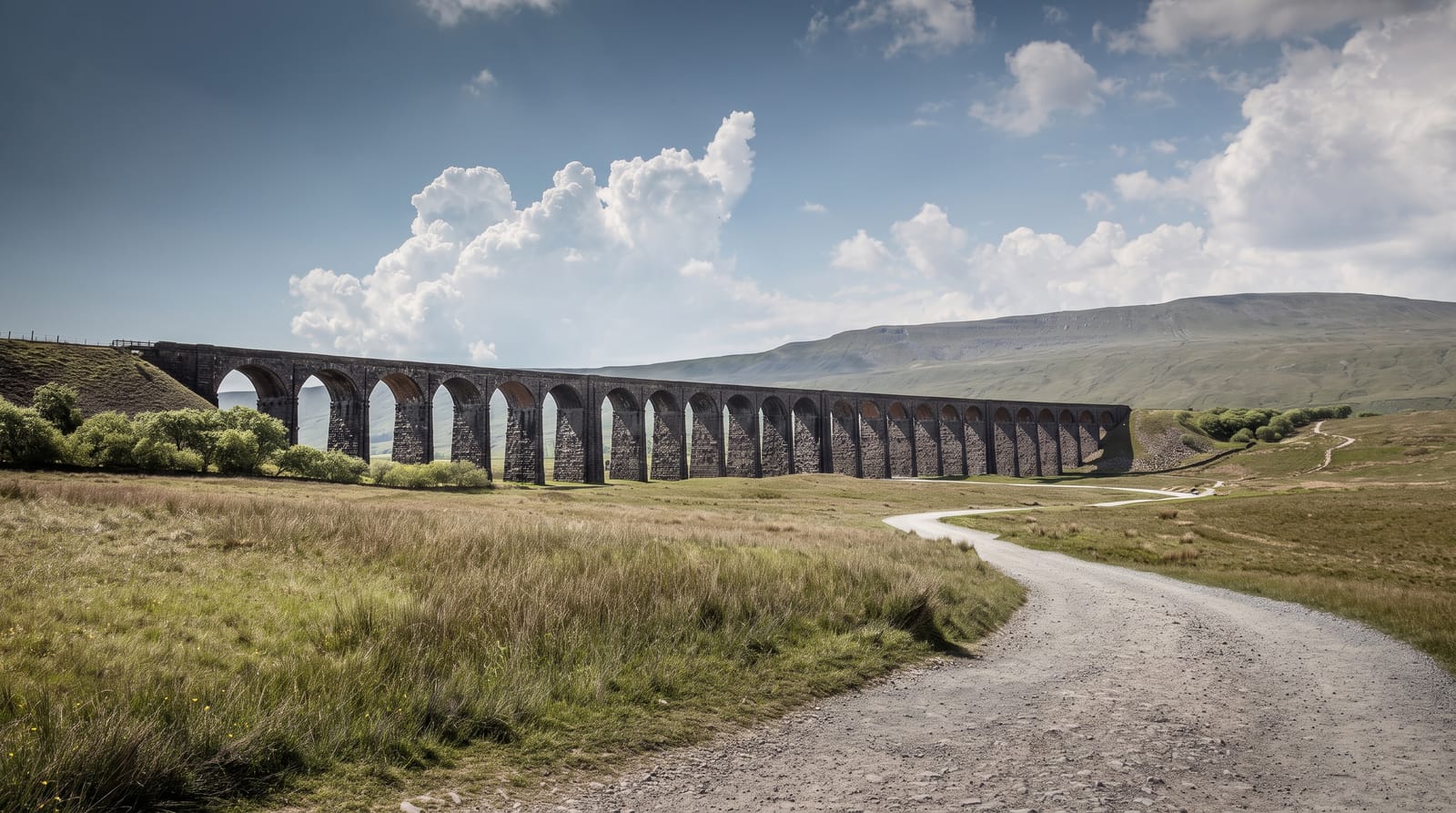
AI illustration
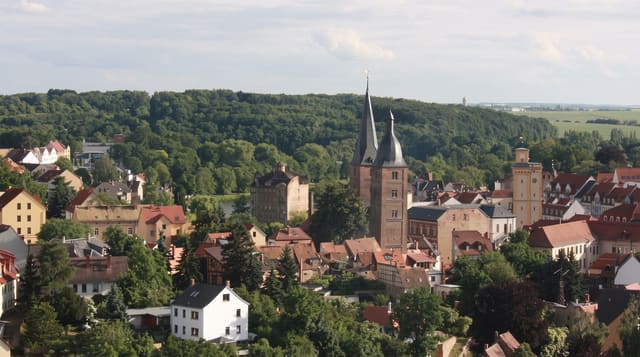
The Saxon-Bavarian railway had to cross the Göltzsch valley, and with no suitable stone nearby the engineers used brick, fired from local clay on site; the viaduct built between 1846 and 1851 is seventy-eight metres high and five hundred and seventy-four long, on four tiers of arches, and used about twenty-six million bricks, making it the largest brick bridge in the world. The design was chosen by open competition, and none of the entries was judged buildable, so a committee combined elements from several; a professor's calculation of the required masonry mass shaped the final form. Trains still cross it. The nearby Elster viaduct is the second largest of its kind.
History
The viaduct was built between 1846 and 1851 for the railway linking Saxony, by Leipzig, Zwickau and Plauen, with Bavaria, by Hof and Nuremberg. Seeking an affordable design, the Saxon-Bavarian Railway Company announced a competition on 27 January 1845 in all the major German magazines, and the chairman of the jury, Professor Johann Andreas Schubert, then designed the bridge himself, using his new knowledge of structural analysis (Wikipedia, Göltzsch Viaduct).
What to look for
- The four tiers - arches stacked in four levels to seventy-eight metres.
- The brick construction - about twenty-six million bricks fired on site.
- The working line - trains still crossing the 1851 structure.
- The Elster viaduct - the world's second largest brick bridge nearby.
When to go
April to October; a path runs beneath the arches and viewpoints stand on both valley sides. It is floodlit on some evenings. Trains cross regularly.
What to expect
The bridge cannot be walked; it carries trains only. Facilities in the valley are minimal. It is best seen from below or from a distance.
Nearby
The Elster viaduct lies west; Plauen is southwest.
Key facts
Source: Wikidata, item Q707706, read on 18 October 2026.
What to pack for Goltzsch Viaduct
Chosen from what this place is for. Tap a kit for the full checklist.
- Comfortable walking shoes - Sightseeing means kilometres of pavement and cobbles daily. Find on Amazon
- A slim anti-theft daypack - Zips that close properly; keep it in front in crowds and on transit. Find on Amazon
- A refillable water bottle - Many cities have public fountains; save money and plastic. Find on Amazon
- A light layer + compact umbrella - For museum air-con and a sudden shower. Find on Amazon
Some links on this page are Amazon affiliate links - if you buy through them we may earn a small commission at no extra cost to you.
All packing kitsPlan your trip
Where to start if Goltzsch Viaduct is going on the list.
Booking links on this page are affiliate links - if you book through them we may earn a small commission at no extra cost to you. It never changes what we write about a place.
Opening times, ticket prices and seasonal closures change - check the official source before you go: official site.