Figeac
Champollion's birthplace, with a courtyard paved as a giant copy of the Rosetta Stone.
Updated 4 September 2026
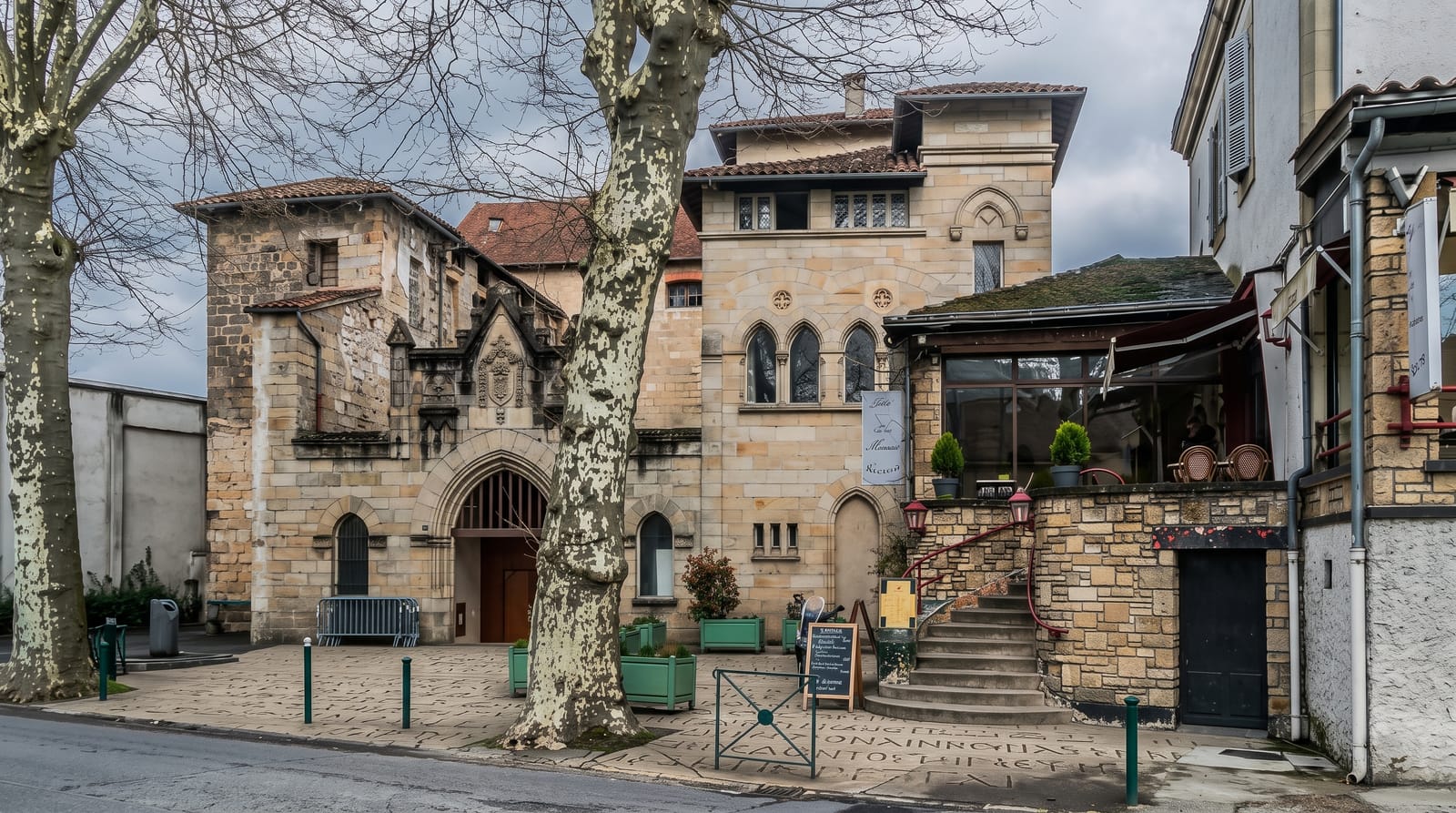
AI illustration
Jean-Francois Champollion was born in Figeac in 1790 and announced in 1822 that he had worked out how to read Egyptian hieroglyphs, using the Rosetta Stone's parallel Greek text as the key. The town's museum of writing occupies his birthplace and covers scripts worldwide rather than Egypt alone. Behind it, the Place des Ecritures is paved with a black granite copy of the Rosetta Stone at about fourteen times size, laid by the American artist Joseph Kosuth in 1991, so visitors walk across the text. The medieval town around kept its merchant houses with open-sided top floors called soleilhos, used for drying goods.
The main sights
- The giant Rosetta Stone - a granite floor copy laid across a courtyard.
- The Champollion museum - writing systems from around the world.
- The soleilhos - open top-floor galleries on medieval merchant houses.
- The old town - stone lanes and a covered market square.
When to go
April to October; the museum closes Mondays out of season. The Saturday market fills the centre. Summer is hot but the town is less crowded than the Lot villages.
Good to know
The museum is about writing broadly, not an Egyptology collection, which surprises some. The Rosetta pavement is a modern artwork, not an artefact. The town is quiet outside market days.
Nearby
Saint-Cirq-Lapopie lies southwest; Conques is northeast.
Key facts
Source: Wikidata, item Q207614, read on 18 October 2026.
What to pack for Figeac
Chosen from what this place is for. Tap a kit for the full checklist.
- Comfortable walking shoes - Sightseeing means kilometres of pavement and cobbles daily. Find on Amazon
- A slim anti-theft daypack - Zips that close properly; keep it in front in crowds and on transit. Find on Amazon
- A refillable water bottle - Many cities have public fountains; save money and plastic. Find on Amazon
- A light layer + compact umbrella - For museum air-con and a sudden shower. Find on Amazon
Some links on this page are Amazon affiliate links - if you buy through them we may earn a small commission at no extra cost to you.
All packing kitsPlan your trip
Where to start if Figeac is going on the list.
Booking links on this page are affiliate links - if you book through them we may earn a small commission at no extra cost to you. It never changes what we write about a place.
Opening times, ticket prices and seasonal closures change - check the official source before you go: official site.