Valderrobres
A Matarrana town entered over a stone bridge and through a fortified gate, with a Gothic castle-palace above.
Updated 21 October 2026

AI illustration
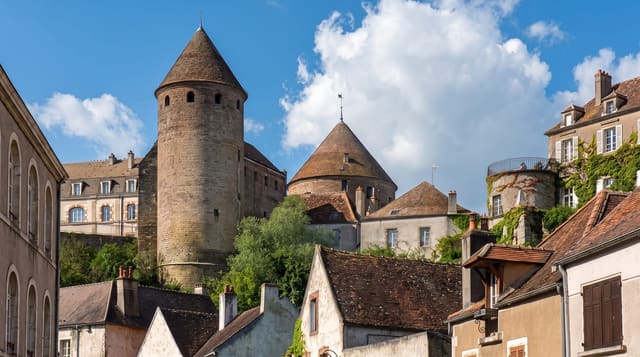
Valderrobres sits on the Matarrana river, and the approach is the set piece: a medieval stone bridge leads to the Portal de San Roque, a fortified gate through the walls, and beyond it the town climbs to a castle-palace built between the fourteenth and fifteenth centuries for the archbishops of Zaragoza, Gothic in style with large windows and carved detail more suited to a residence than a fortress. Beside it stands the church of Santa Maria la Mayor with a rose window and a carved portal. The lanes between are stone with arches and carved lintels, and the town hall is Renaissance. The soprano Elvira de Hidalgo was born here in 1891. The Matarrana district, sometimes marketed as Aragonese Tuscany, holds a string of similar villages including Calaceite, Cretas and La Fresneda.
What's there
- The bridge and gate - a medieval crossing into a fortified portal.
- The castle-palace - a Gothic archbishops' residence above the town.
- Santa Maria la Mayor - a church with a rose window and carved doorway.
- The Matarrana villages - a string of stone settlements across the district.
When to go
April to June and September to November; the Matarrana is hot in summer and cold in winter. The castle keeps limited hours with a midday break and closes some weekdays outside the season.
Practical notes
Valderrobres is remote, a long drive from anywhere, with the nearest cities in Catalonia rather than Aragon. Streets are steep and parking is outside the gate. Services are limited outside weekends.
Nearby
Calaceite, Cretas and La Fresneda are in the same district; the Ports mountains lie south.
Key facts
Source: Wikidata, item Q1641285, read on 18 October 2026.
What to pack for Valderrobres
Chosen from what this place is for. Tap a kit for the full checklist.
- Comfortable walking shoes - Sightseeing means kilometres of pavement and cobbles daily. Find on Amazon
- A slim anti-theft daypack - Zips that close properly; keep it in front in crowds and on transit. Find on Amazon
- A refillable water bottle - Many cities have public fountains; save money and plastic. Find on Amazon
- A light layer + compact umbrella - For museum air-con and a sudden shower. Find on Amazon
Some links on this page are Amazon affiliate links - if you buy through them we may earn a small commission at no extra cost to you.
All packing kitsPlan your trip
Where to start if Valderrobres is going on the list.
Booking links on this page are affiliate links - if you book through them we may earn a small commission at no extra cost to you. It never changes what we write about a place.
Opening times, ticket prices and seasonal closures change - check the official source before you go: official site.