Mudejar Towers of Teruel
Brick and glazed-tile bell towers built by Muslim craftsmen for Christian Teruel, listed by UNESCO in 1986.
Updated 4 September 2026

AI illustration
UNESCO World Heritage
After the Christian conquest of Aragon, Muslim craftsmen stayed and continued working, and what they built for their new patrons is called Mudejar: in Teruel this produced bell towers of brick decorated with geometric patterns in projecting courses and inlaid with green and white glazed ceramic, built between the thirteenth and sixteenth centuries and standing over gateways so the street passes beneath them. Four survive, on the cathedral, San Pedro, San Martin and El Salvador, and UNESCO inscribed them in 1986, extending the listing to Aragonese Mudejar more widely in 2001. The cathedral also has a painted wooden ceiling of the fourteenth century, often called the Sistine Chapel of Mudejar art, covered in scenes of daily life, hunting and music.
What you'll find
- The four towers - brick and glazed ceramic bell towers over street arches.
- The cathedral ceiling - a fourteenth-century painted wooden roof.
- The geometric brickwork - patterns built up in projecting courses.
- The glazed inlay - green and white ceramic set into the brick.
When to go
April to June and September to November; Teruel is high and records severe winter cold, and summers are hot. The cathedral ceiling is best seen with binoculars, and the El Salvador tower can be climbed.
Practical notes
The cathedral ceiling is far above the floor and hard to make out without optics or the museum's photographic panels. Towers are seen from outside except El Salvador. Teruel is small and off the main routes.
Nearby
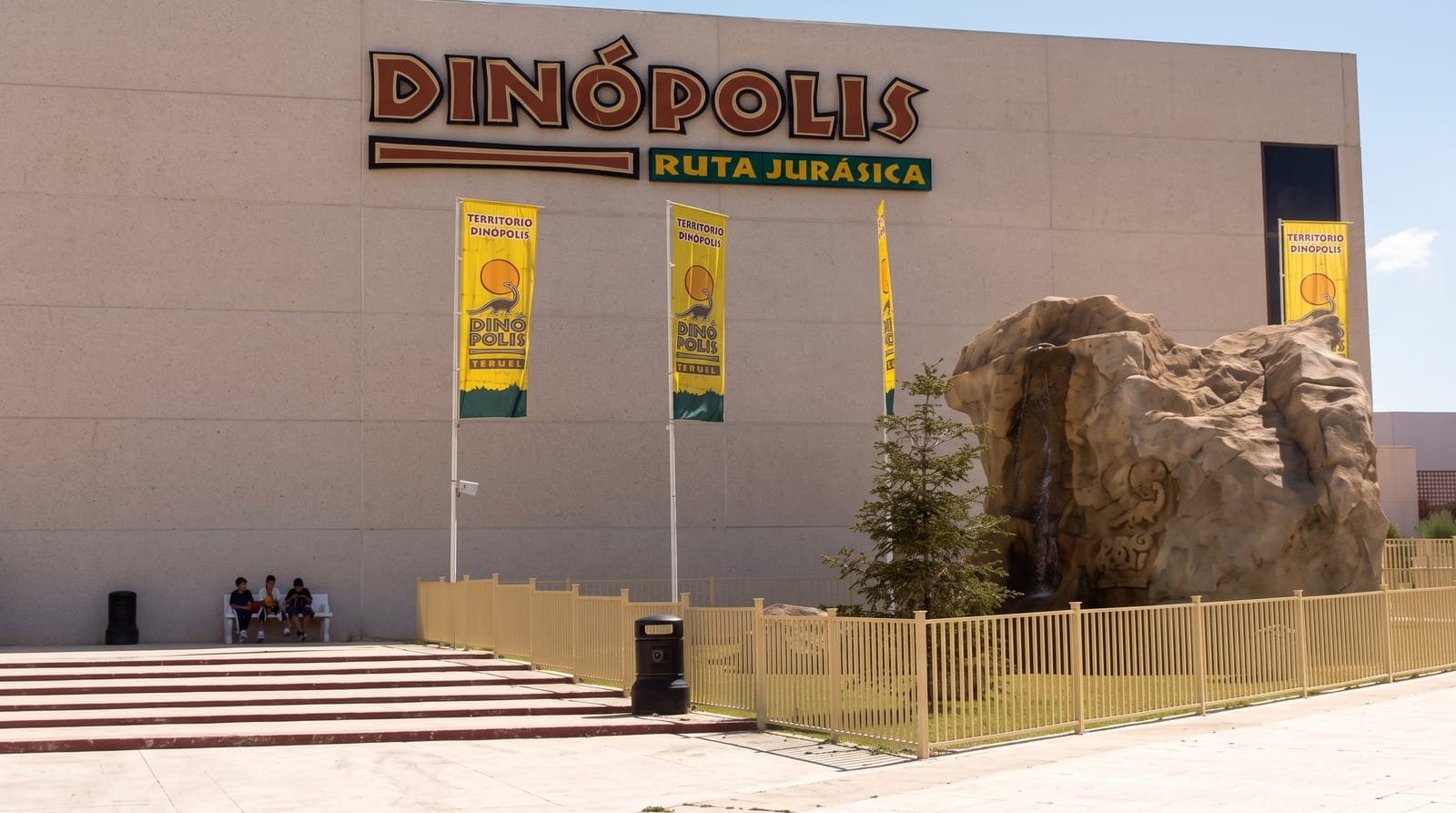
Albarracin lies west; the Dinopolis dinosaur park is on the edge of the town.
What to pack for Mudejar Towers of Teruel
Chosen from what this place is for. Tap a kit for the full checklist.
- Comfortable walking shoes - Sightseeing means kilometres of pavement and cobbles daily. Find on Amazon
- Modest clothing - Shoulders and knees covered - the single most common requirement. Find on Amazon
- A slim anti-theft daypack - Zips that close properly; keep it in front in crowds and on transit. Find on Amazon
- A scarf or shawl - To cover the head or shoulders on entry; women especially at mosques. Find on Amazon
Some links on this page are Amazon affiliate links - if you buy through them we may earn a small commission at no extra cost to you.
All packing kitsPlan your trip
Where to start if Mudejar Towers of Teruel is going on the list.
Booking links on this page are affiliate links - if you book through them we may earn a small commission at no extra cost to you. It never changes what we write about a place.
Opening times, ticket prices and seasonal closures change - check the official source before you go: official site.