Chablis
A small town on the Serein making Chardonnay on fossil-rich soil, with seven grand cru slopes on one hillside.
Updated 4 September 2026

AI illustration
Chablis makes white wine from Chardonnay alone, and the character locals credit is the soil: Kimmeridgian marl full of small fossil oysters, laid down when this was a warm sea, which growers connect to the mineral edge in the glass. All seven grand cru vineyards lie on one southwest-facing slope across the Serein from the town, in a single band: Blanchot, Bougros, Les Clos, Grenouilles, Preuses, Valmur and Vaudesir. Frost is the perpetual risk, and in spring you can see candles and sprinkler systems set out among the vines. The town itself is modest, rebuilt in part after 1940 damage, with cellars under it.
What's there
- The grand cru slope - all seven named vineyards in one band above the river.
- The fossil soil - Kimmeridgian marl with small oyster shells in the earth.
- The frost defences - candles and sprinklers among the vines in spring.
- The town cellars - tasting rooms in vaults under the streets.
When to go
May to October; harvest is usually September. Spring frost nights, when candles are lit in the vineyards, are unpredictable but memorable. Many domaines close for lunch and require appointments.
Practical notes
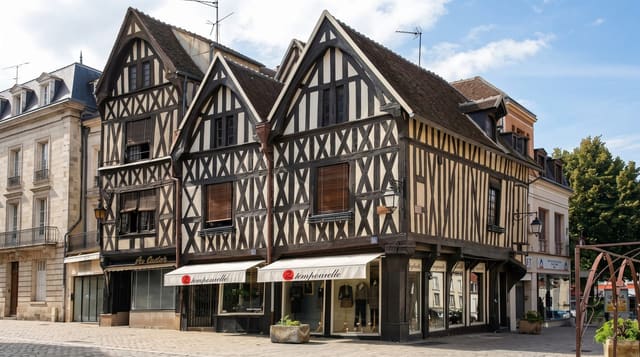
The town is small and workmanlike rather than picturesque, having been damaged in 1940. Serious tastings need booking. Prices for grand cru are high and not all cellars pour them.
Nearby
Auxerre lies west; Noyers-sur-Serein is southeast.
Key facts
Source: Wikidata, item Q331232, read on 18 October 2026.
What to pack for Chablis
Chosen from what this place is for. Tap a kit for the full checklist.
- Comfortable walking shoes - Sightseeing means kilometres of pavement and cobbles daily. Find on Amazon
- A slim anti-theft daypack - Zips that close properly; keep it in front in crowds and on transit. Find on Amazon
- A refillable water bottle - Many cities have public fountains; save money and plastic. Find on Amazon
- A light layer + compact umbrella - For museum air-con and a sudden shower. Find on Amazon
Some links on this page are Amazon affiliate links - if you buy through them we may earn a small commission at no extra cost to you.
All packing kitsPlan your trip
Where to start if Chablis is going on the list.
Booking links on this page are affiliate links - if you book through them we may earn a small commission at no extra cost to you. It never changes what we write about a place.
Opening times, ticket prices and seasonal closures change - check the official source before you go: official site.