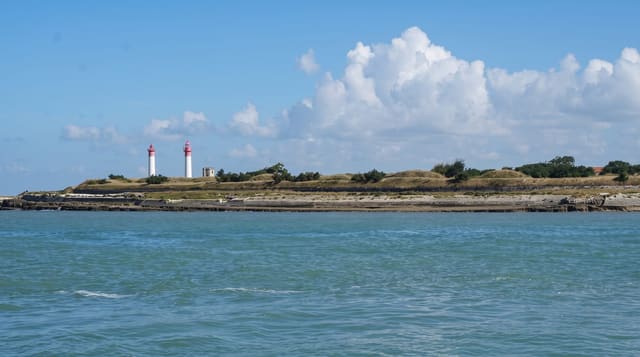
Brouage
A star-shaped fortress port left two kilometres inland when its harbour silted up entirely.
Updated 19 October 2026
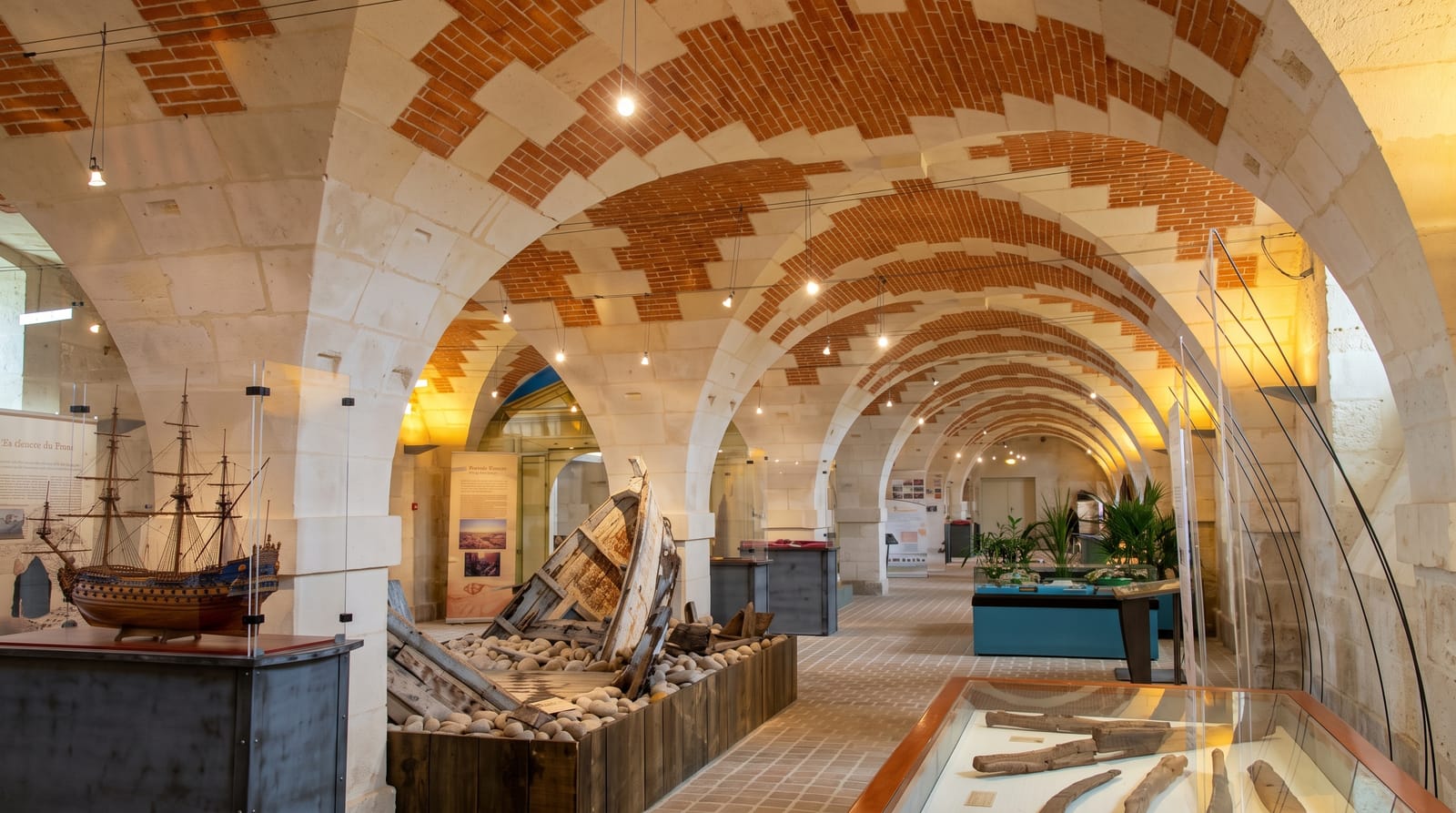
AI illustration
Brouage was built in the sixteenth century as a salt port and rebuilt by Richelieu in the 1630s as a bastioned square with a wall of about two kilometres, a base for operations against La Rochelle. Then the sea left: the marsh silted, the harbour closed, and the fortress now stands two kilometres inland surrounded by grazing marsh, its walls, gates, powder magazines and underground galleries intact because there was never any reason to demolish them. Samuel de Champlain, founder of Quebec, was born here around 1570, and the Canadian connection is marked in the village. The marshes around are rich in birds.
History
Brouage was founded in 1555 by Jacques de Pons on marshland that had lately been under the sea, and its name comes from "broue", the local mix of water and clay. It lived on salt, including a black salt often sold to the royal household, and on its access to the sea. Between 1630 and 1640 Cardinal Richelieu fortified it as a Catholic stronghold against nearby Protestant La Rochelle, but in the later 17th century the harbour gradually silted up, leaving the town stranded and useless as a port. Samuel de Champlain lived here as a young man before co-founding the French settlements in Acadia and at Quebec, and in 1825 Brouage was joined with the village of Hiers, 2.5 km away (Wikipedia, Hiers-Brouage).
What's there
- The complete ramparts - a bastioned square of about two kilometres.
- The stranded position - a sea fortress now two kilometres inland.
- The underground galleries - magazines and casemates within the walls.
- The Champlain connection - the Quebec founder's birthplace marked in the village.
When to go
April to October; the ramparts are open and free year-round. Birds on the surrounding marsh are best in spring and autumn. The site is exposed to wind.
Practical notes
The interior is a small quiet village with limited facilities. Some galleries are closed or seasonal. There is no harbour to see, which is the point but surprises visitors.
Nearby
Rochefort lies north; Marennes and the oyster beds are west.
What to pack for Brouage
Chosen from what this place is for. Tap a kit for the full checklist.
- Head torch + spare batteries - Hands-free light is essential; caves are truly dark. Find on Amazon
- Comfortable walking shoes - Sightseeing means kilometres of pavement and cobbles daily. Find on Amazon
- Grippy closed shoes - Cave floors are wet, muddy and slick with formations. Find on Amazon
- A slim anti-theft daypack - Zips that close properly; keep it in front in crowds and on transit. Find on Amazon
Some links on this page are Amazon affiliate links - if you buy through them we may earn a small commission at no extra cost to you.
All packing kitsPlan your trip
Where to start if Brouage is going on the list.
Booking links on this page are affiliate links - if you book through them we may earn a small commission at no extra cost to you. It never changes what we write about a place.
Opening times, ticket prices and seasonal closures change - check the official source before you go: official site.