Ile d'Oleron
The largest Atlantic island in France, with an oyster port where the cabins were painted in bright colours.
Updated 19 October 2026
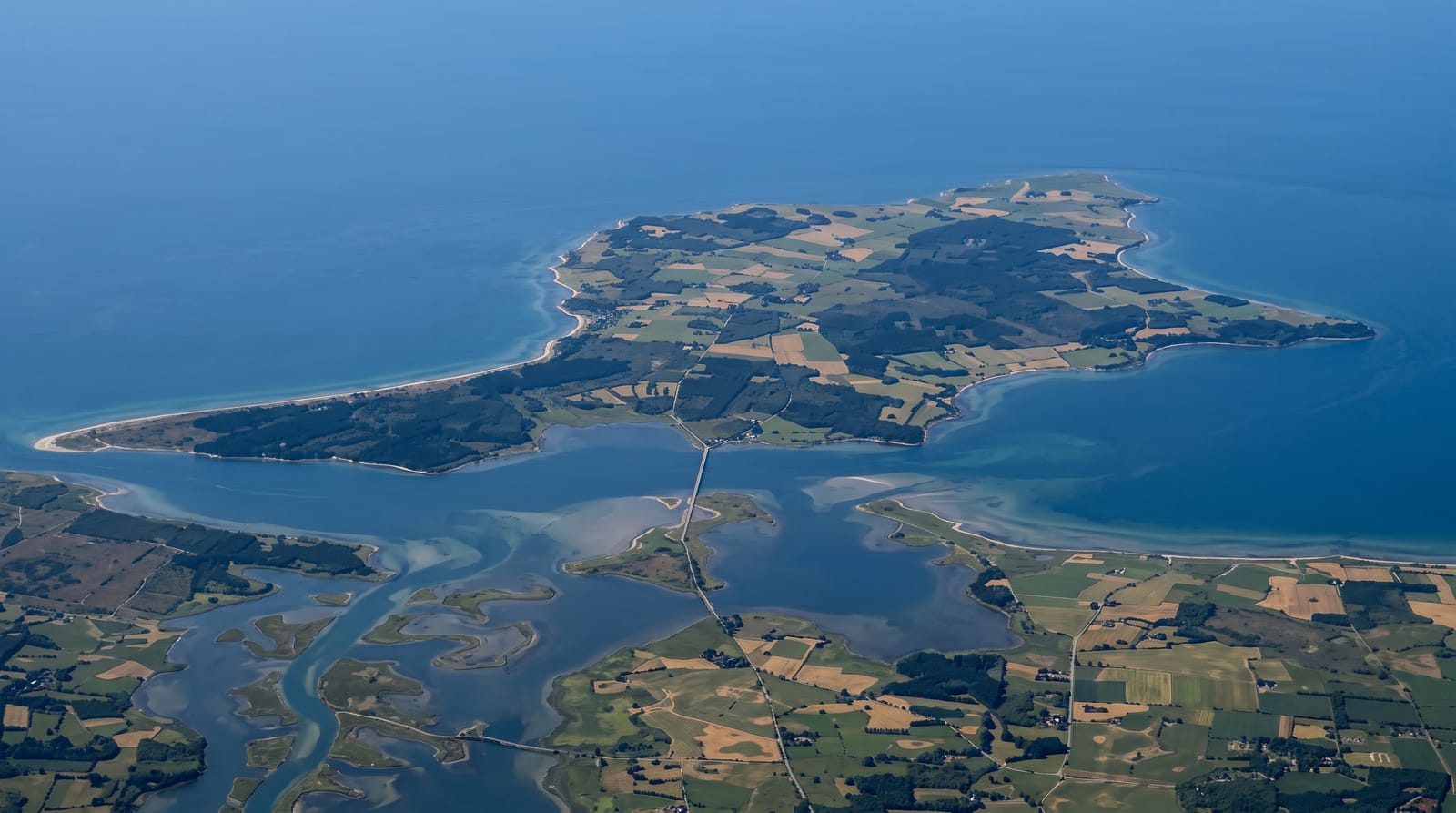
AI illustration
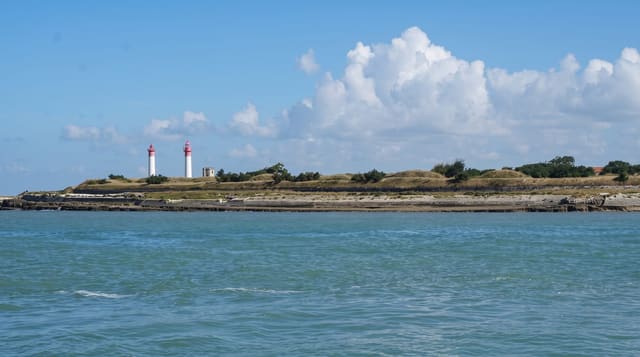
Oleron is about thirty kilometres long, the largest French island on the Atlantic side, with pine forest and dunes on the west coast facing open ocean and oyster country in the sheltered east. At Le Chateau-d'Oleron, the old oyster cabins along the channels were repainted in strong colours from the 1990s and taken over by artists and craftspeople, making a working port that is also a row of studios. Oyster farming here uses claires, shallow clay basins where oysters finish and take on a greener tint from algae. The Fort Boyard sits offshore, and the lighthouse of Chassiron in the north has two hundred and twenty-four steps.
History
Pliny the Elder mentioned the island as Uliaros in the 1st century, and after the emperor Probus allowed all Gauls to own vineyards at the end of the 3rd century a wine culture grew here that lasted until phylloxera destroyed the vines at the end of the 19th century. In the 7th and 8th centuries Oléron and Ré formed the Vacetian Islands, a sign of Basque control, and around 1152-1160 Eleanor of Aquitaine issued here the Rolls of Oléron, the first maritime laws of that part of the world; in 1306 Edward I granted the island to his son, the future Edward II. During the Revolution, in 1793, its villages were given new names such as Equality and Fraternity, later abandoned. The second largest island of metropolitan France, 30 km long and 174 km², it is known today for its oysters (Wikipedia, Oléron).
What you'll find
- The painted oyster cabins - colourful huts turned studios at Le Chateau.
- The claires - shallow clay finishing basins in the marshes.
- Chassiron lighthouse - a striped tower at the northern point.
- The west coast dunes - pine and sand facing open ocean.
When to go
May to September; the bridge is free, so summer traffic is heavy. Oysters are sold year-round with the main season in autumn and winter. Atlantic surf and rips are strong on the west coast.
Good to know
Being toll-free makes Oleron busier and more built-up than Re in summer. West coast swimming has serious rip currents and is only safe at supervised beaches. Accommodation books out in August.
Nearby
Fort Boyard sits offshore; Rochefort lies east.
Key facts
Source: Wikidata, item Q292568, read on 18 October 2026.
What to pack for Ile d'Oleron
Chosen from what this place is for. Tap a kit for the full checklist.
- Reef-safe sunscreen - High SPF that will not bleach the coral you are swimming over. Find on Amazon
- Quick-dry clothing - Board shorts or synthetics that shrug off spray and dry fast. Find on Amazon
- Loose, light, long clothing - Covering up beats bare skin in the desert - and locals dress this way for a reason. Find on Amazon
- Shelter suited to the place - Tent, tarp or hut booking - match it to the terrain and rules. Find on Amazon
Some links on this page are Amazon affiliate links - if you buy through them we may earn a small commission at no extra cost to you.
All packing kitsPlan your trip
Where to start if Ile d'Oleron is going on the list.
Booking links on this page are affiliate links - if you book through them we may earn a small commission at no extra cost to you. It never changes what we write about a place.
Opening times, ticket prices and seasonal closures change - check the official source before you go: official site.