Belcastel
A ruined castle and village bought by an architect in 1974 and rebuilt stone by stone over ten years.
Updated 4 September 2026
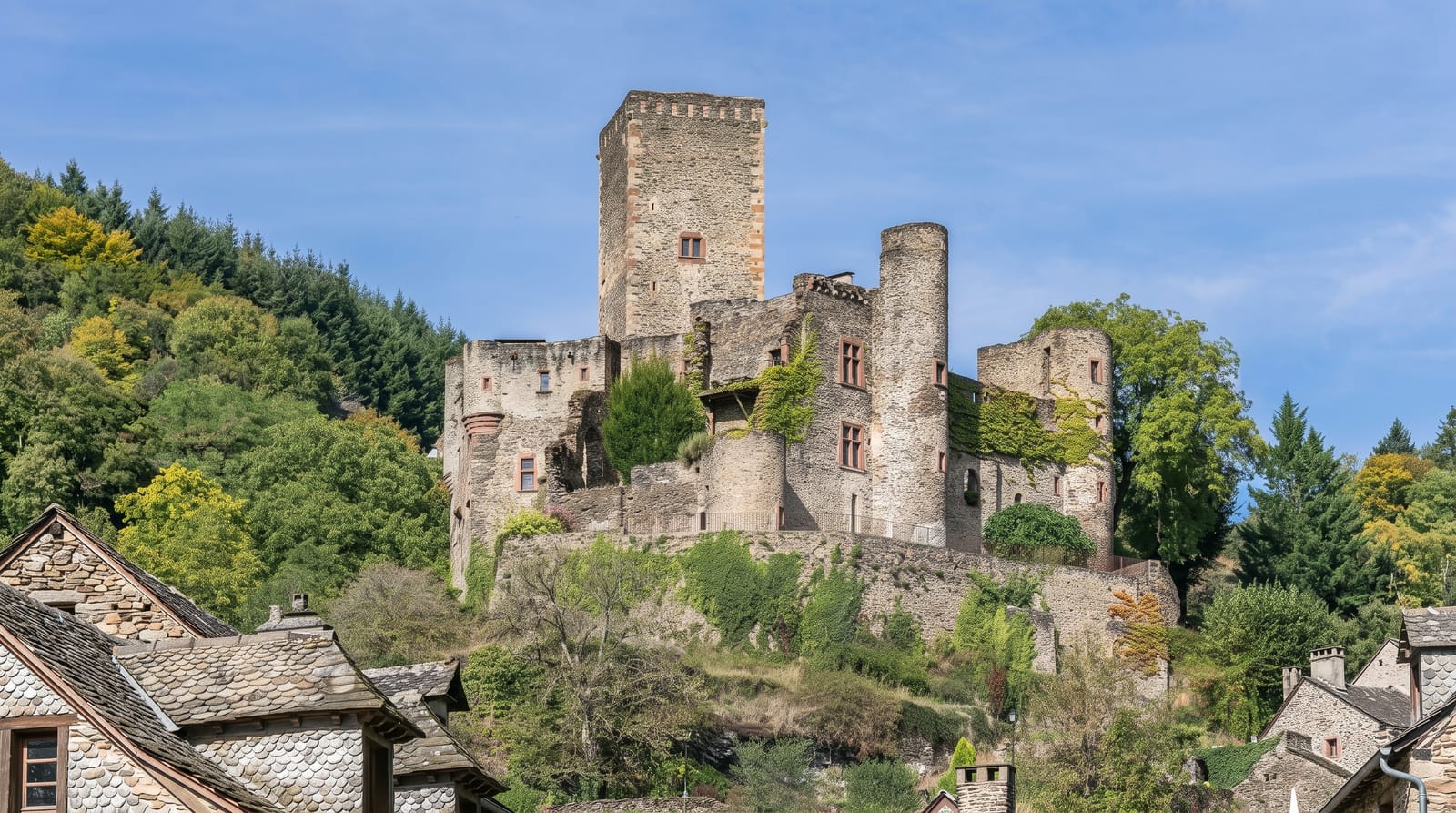
AI illustration
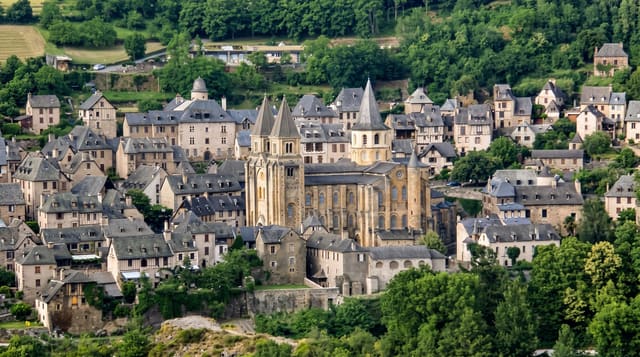
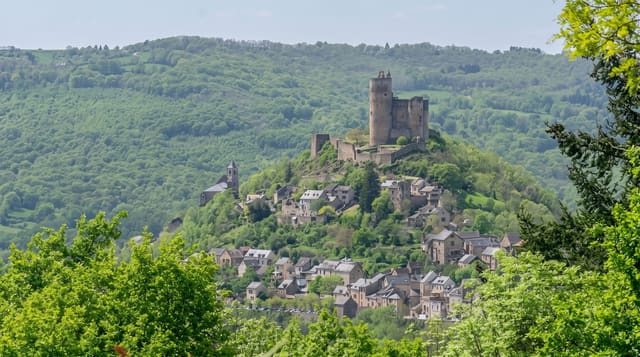
By the 1970s Belcastel was largely abandoned, the ninth-century castle a heap of rubble and the village houses collapsing. Fernand Pouillon, an architect known for large postwar housing schemes and for a spell in prison over a property scandal, bought the ruin in 1974 and spent about ten years rebuilding it with local materials and traditional methods, restoring the village around it as well; he is buried in the church below. The result is a stone village on both banks of the Aveyron linked by a fifteenth-century humpbacked bridge, with the castle above and a church holding a carved tomb.
What to look for
- The rebuilt castle - a ruin reconstructed by hand over a decade.
- The humpbacked bridge - a fifteenth-century crossing of the Aveyron.
- The stone village - restored houses with lauze roofs on both banks.
- The church tomb - a carved medieval tomb below the castle.
When to go
April to October; the castle closes over winter and hosts exhibitions in season. The village is small and quiet, busier at weekends. Autumn colour along the river is good.
Things to know
Almost everything visible is reconstruction rather than survival, which matters to some visitors. The lanes are steep and cobbled. Parking is outside the village.
Nearby
Rodez lies east; Conques is north.
What to pack for Belcastel
Chosen from what this place is for. Tap a kit for the full checklist.
- Comfortable walking shoes - Sightseeing means kilometres of pavement and cobbles daily. Find on Amazon
- A slim anti-theft daypack - Zips that close properly; keep it in front in crowds and on transit. Find on Amazon
- A refillable water bottle - Many cities have public fountains; save money and plastic. Find on Amazon
- A light layer + compact umbrella - For museum air-con and a sudden shower. Find on Amazon
Some links on this page are Amazon affiliate links - if you buy through them we may earn a small commission at no extra cost to you.
All packing kitsPlan your trip
Where to start if Belcastel is going on the list.
Booking links on this page are affiliate links - if you book through them we may earn a small commission at no extra cost to you. It never changes what we write about a place.
Opening times, ticket prices and seasonal closures change - check the official source before you go: official site.