Basilica of Saint-Denis
Where Gothic architecture began, and where almost every French monarch was buried for twelve centuries.
Updated 19 October 2026

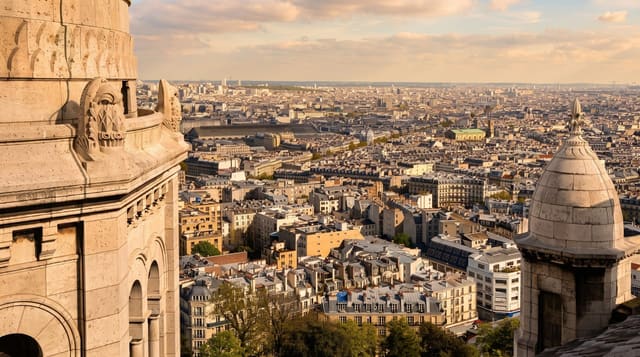
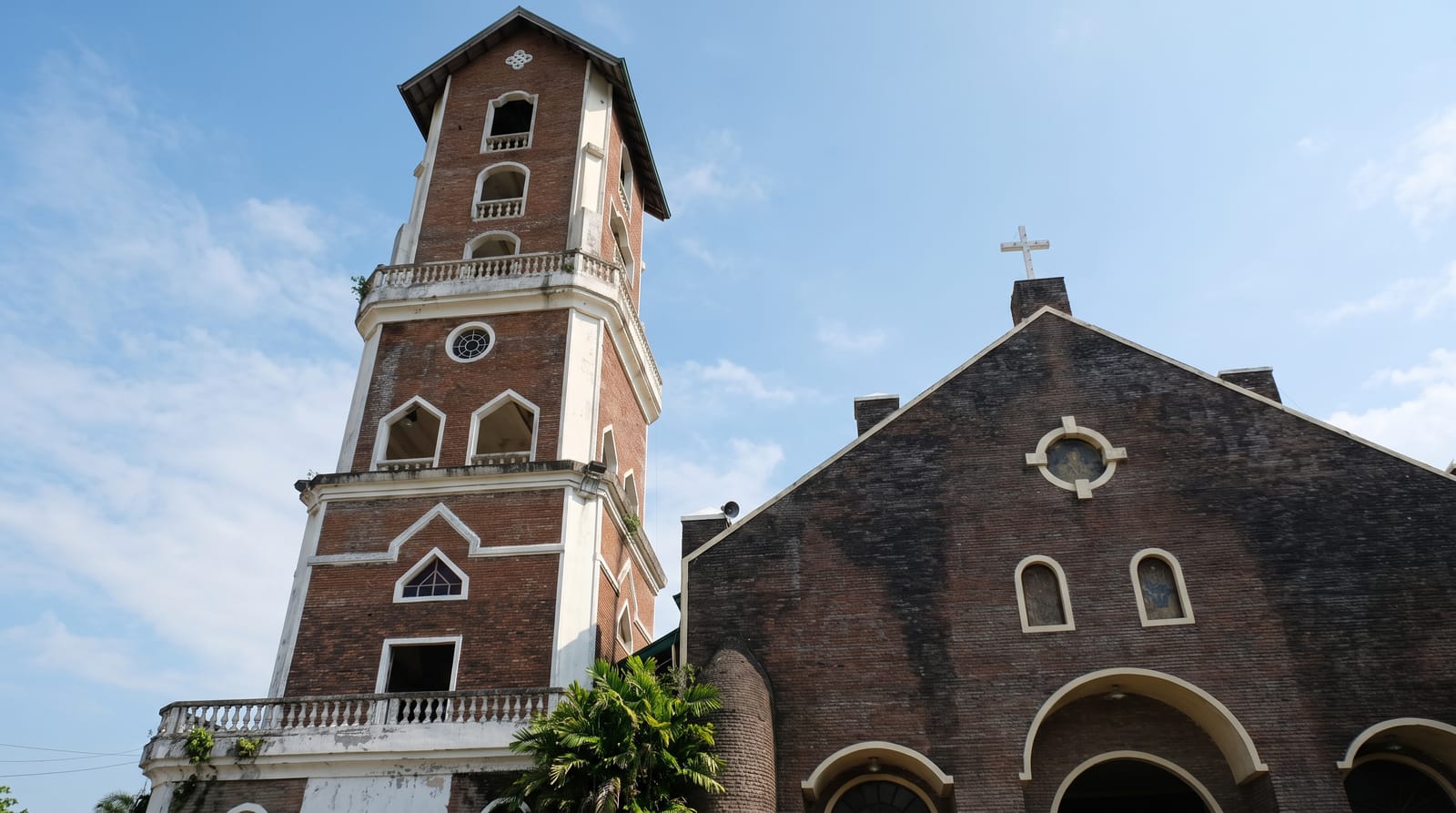
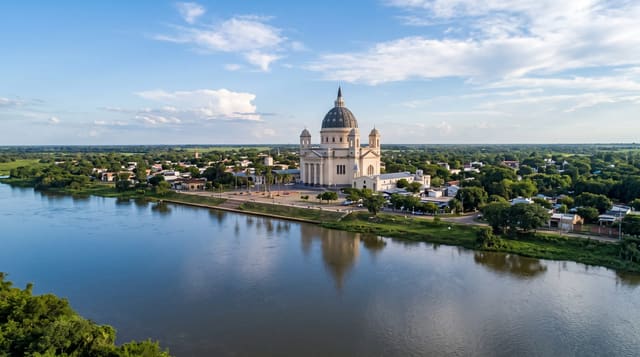
AI illustration
Abbot Suger rebuilt the choir here in the 1140s using pointed arches, ribbed vaults and large stained glass together for the first time in a coherent system, and the result is generally taken as the beginning of Gothic architecture; every Gothic cathedral in Europe descends from what was tried in this building. It was also the royal necropolis: forty-three kings, thirty-two queens and numerous princes were buried here across twelve centuries, their tombs carved as recumbent effigies. The graves were opened and the remains thrown into pits during the Revolution, then partly recovered and returned in 1817, so the monuments stand over a common ossuary.
History
The basilica stands where Saint Denis, first bishop of Paris, is believed to have been buried after his martyrdom on Montmartre around 250; a martyrium was built over his grave around 313 and enlarged into a church under Saint Genevieve, with royal tombs such as that of Aregonde, wife of Clothar I. In 632 King Dagobert I made it a Benedictine abbey, soon home to more than five hundred monks, and had his councillor Eligius make a rich new shrine; a Carolingian church begun in 754 was consecrated in 775 in the presence of Charlemagne. Abbot Suger's choir, completed in 1144, is widely held to be the first building to combine all the elements of Gothic architecture. The church became the necropolis of the kings of France, holding nearly every king from the 10th century to Louis XVIII; the queens were crowned here, the regalia were kept here between coronations, and Henry IV came here to renounce his Protestant faith (Wikipedia, Basilica of Saint-Denis).
What to look for
- Suger's choir - the 1140s work where Gothic architecture begins.
- The royal effigies - tombs of French monarchs across twelve centuries.
- The revolutionary damage - monuments over a common ossuary after 1793.
- The stained glass - twelfth-century windows alongside later restoration.
When to go
Year-round; the necropolis closes on Sunday mornings for services. The basilica is far quieter than central Paris churches. A tower reconstruction project is underway.
Before you go
The nave is free but the tombs require a ticket. Saint-Denis is outside central Paris and the area around the station is rough at night. Restoration scaffolding is often present.
Nearby
The Stade de France lies east; central Paris is south.
Key facts
Source: Wikidata, item Q184407, read on 18 October 2026.
What to pack for Basilica of Saint-Denis
Chosen from what this place is for. Tap a kit for the full checklist.
- Comfortable walking shoes - Sightseeing means kilometres of pavement and cobbles daily. Find on Amazon
- Modest clothing - Shoulders and knees covered - the single most common requirement. Find on Amazon
- A slim anti-theft daypack - Zips that close properly; keep it in front in crowds and on transit. Find on Amazon
- A scarf or shawl - To cover the head or shoulders on entry; women especially at mosques. Find on Amazon
Some links on this page are Amazon affiliate links - if you buy through them we may earn a small commission at no extra cost to you.
All packing kitsPlan your trip
Where to start if Basilica of Saint-Denis is going on the list.
Booking links on this page are affiliate links - if you book through them we may earn a small commission at no extra cost to you. It never changes what we write about a place.
Opening times, ticket prices and seasonal closures change - check the official source before you go: official site.