Vilsandi National Park
Estonia's westernmost park - a scatter of low islands, juniper heath and grey seal haul-outs off the Saaremaa coast, protected since 1910.
Updated 1 November 2026
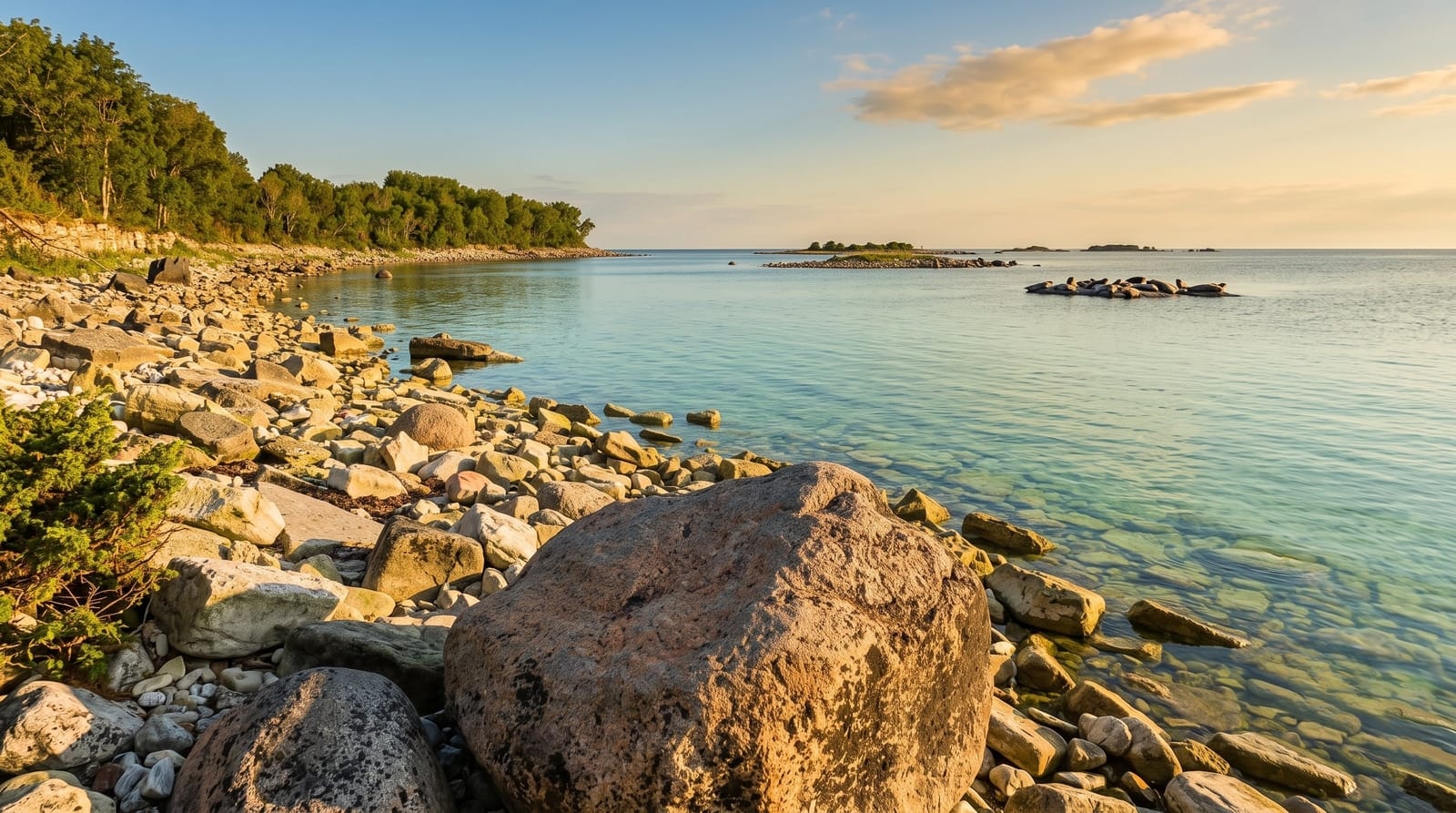
AI illustration
Vilsandi is where Estonia frays into the Baltic. The park covers Vilsandi island itself and around 160 islets and skerries, plus the western edge of Saaremaa. Its bird sanctuary on the Vaika islets dates from 1910, which makes it the oldest protected area in the Baltic states, set up by a lighthouse keeper who got tired of egg collectors.
Background
Vilsandi National Park, Vilsandi rahvuspark, protects sea and coast in Saaremaa Parish of Saare County, taking in part of Vilsandi island, a number of smaller islands and the nearby west coast of Saaremaa, the Harilaid peninsula among it. Its origins lie in a bird reserve of 1910, and it is a stopover for many migrating birds, such as barnacle geese and Steller's eider, and a nesting ground for more than 247 species, the eider most common among them; a third of all Estonia's protected plant species grow here, hunting is strictly banned, and BirdLife International lists it as an Important Bird Area.
Source: Wikipedia, "Vilsandi National Park"
The landscape
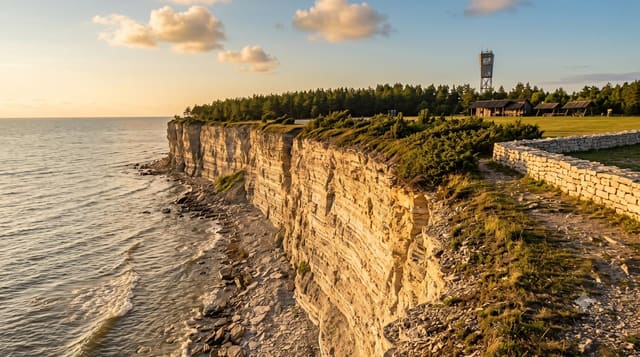
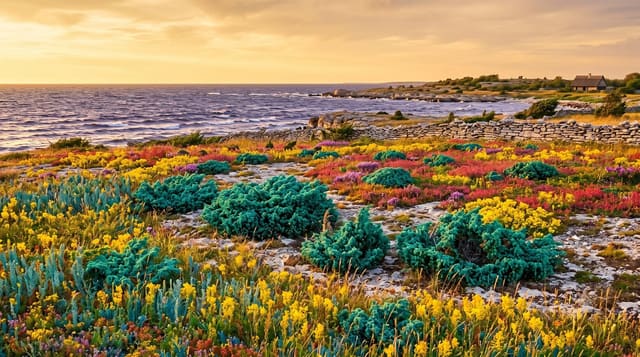
- The islands - low limestone with almost no relief, juniper heath, sheep-grazed coastal meadow and a lot of sky.
- The shore and shallows - stony rather than sandy, with water shallow far out, so on a calm day the sea reads as a pale sheet.
- The wildlife - grey seals hauled out on the outer skerries in numbers, eiders and other sea ducks breeding on the islets, and migration filling the water between the islands.
- Vilsandi island - a small permanent population, a lighthouse and a handful of farms.
When to go
June to August is when boats run, the heath flowers and seals are visible on the skerries. May and September have the migration, fewer visitors and less frequent boats. In winter the sea often ices over and the islands are effectively closed to casual visits.
Good to know
Getting to Vilsandi is the hard part. There is a shallow track from Papissaare that is passable on foot or by tractor at low water, but conditions change with wind rather than tide in the Baltic, and it is not something to attempt on a guess. Booking a boat with a local operator is the sensible route.
This is a place for slow looking. There are no viewpoints, no big features and nothing that photographs as a single hero shot. What it offers is emptiness and wildlife, and if that is not what you came for, Saaremaa has plenty of other things.
Nearby
Kuressaare and its castle are about forty minutes east. The Kaali meteorite crater and the Angla windmills are both easy additions on the same island.
Key facts
Source: Wikidata, item Q977639, read on 18 October 2026.
Opening times, ticket prices and seasonal closures change - check the official source before you go: official site.
Plan your trip
Where to start if Vilsandi National Park is going on the list.
Booking links on this page are affiliate links - if you book through them we may earn a small commission at no extra cost to you. It never changes what we write about a place.
What to pack for Vilsandi National Park
Chosen from what this place is for. Tap a kit for the full checklist.
- Broken-in walking shoes or boots - Grip and ankle support matter more than looks; never hike in brand-new boots. Find on Amazon
- Binoculars - The single best wildlife tool - even a compact pair transforms a sighting. Find on Amazon
- Layers + a waterproof shell - Mountain weather turns fast; a packable rain jacket saves the day. Find on Amazon
- A zoom camera or long lens - Animals rarely come close; reach beats megapixels. Find on Amazon
Some links on this page are Amazon affiliate links - if you buy through them we may earn a small commission at no extra cost to you.
All packing kits