Tori
A Parnumaa village known for its horse stud, founded in 1856, and for a sandstone river cave called Hell.
Updated 1 September 2026
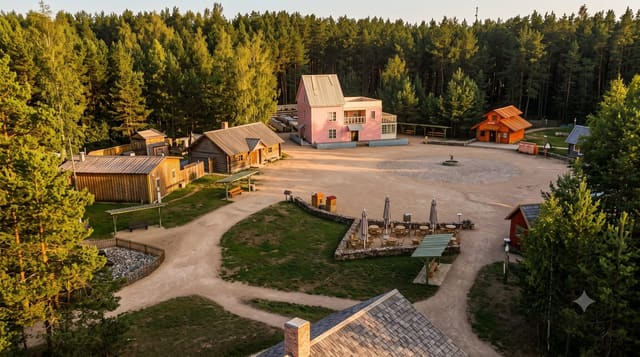
The stud at Tori was founded in 1856 to breed a working horse for Estonian farms, and the Tori breed developed here became the national horse, a strong harness animal used for agriculture and transport; the stud still operates, with stables, a riding hall and a museum of the breed, and visits can include seeing the horses and the historic buildings. A short distance away on the Parnu river is Tori Hell, Toripõrgu, a sandstone cave in the riverbank associated in folklore with the devil and with an underground passage; the cave is small and partly collapsed but the sandstone outcrop and the riverbank walk are pleasant. A church and the village complete the stop.
Highlights
- The stud farm - the stables, riding hall and the Tori horses.
- The breed museum - the display on the development of the Tori horse.
- Tori Hell - the sandstone river cave and its folklore.
- The Parnu river - the outcrop and bank walk beside the cave.
When to go
May to September for the stud visits and the river walk; the stud keeps limited winter hours. Riding events and the annual horse day bring the stud to life. The cave is accessible year round.
What to expect
Stud visits usually need arranging in advance rather than turning up. The cave is small, partly collapsed and fenced in places, and disappoints those expecting a system. Facilities in the village are limited.
Nearby
Parnu lies west; Soomaa national park is east.
What to pack for Tori
Chosen from what this place is for. Tap a kit for the full checklist.
- Head torch + spare batteries - Hands-free light is essential; caves are truly dark. Find on Amazon
- Comfortable walking shoes - Sightseeing means kilometres of pavement and cobbles daily. Find on Amazon
- Grippy closed shoes - Cave floors are wet, muddy and slick with formations. Find on Amazon
- A slim anti-theft daypack - Zips that close properly; keep it in front in crowds and on transit. Find on Amazon
Some links on this page are Amazon affiliate links - if you buy through them we may earn a small commission at no extra cost to you.
All packing kitsPlan your trip
Where to start if Tori is going on the list.
Booking links on this page are affiliate links - if you book through them we may earn a small commission at no extra cost to you. It never changes what we write about a place.
Opening times, ticket prices and seasonal closures change - check the official source before you go: official site.