Hiiumaa
The second largest island and the quietest - pine forest, empty beaches, three historic lighthouses and a local sense of humour built on being ignored.
Updated 1 September 2026
Illustration
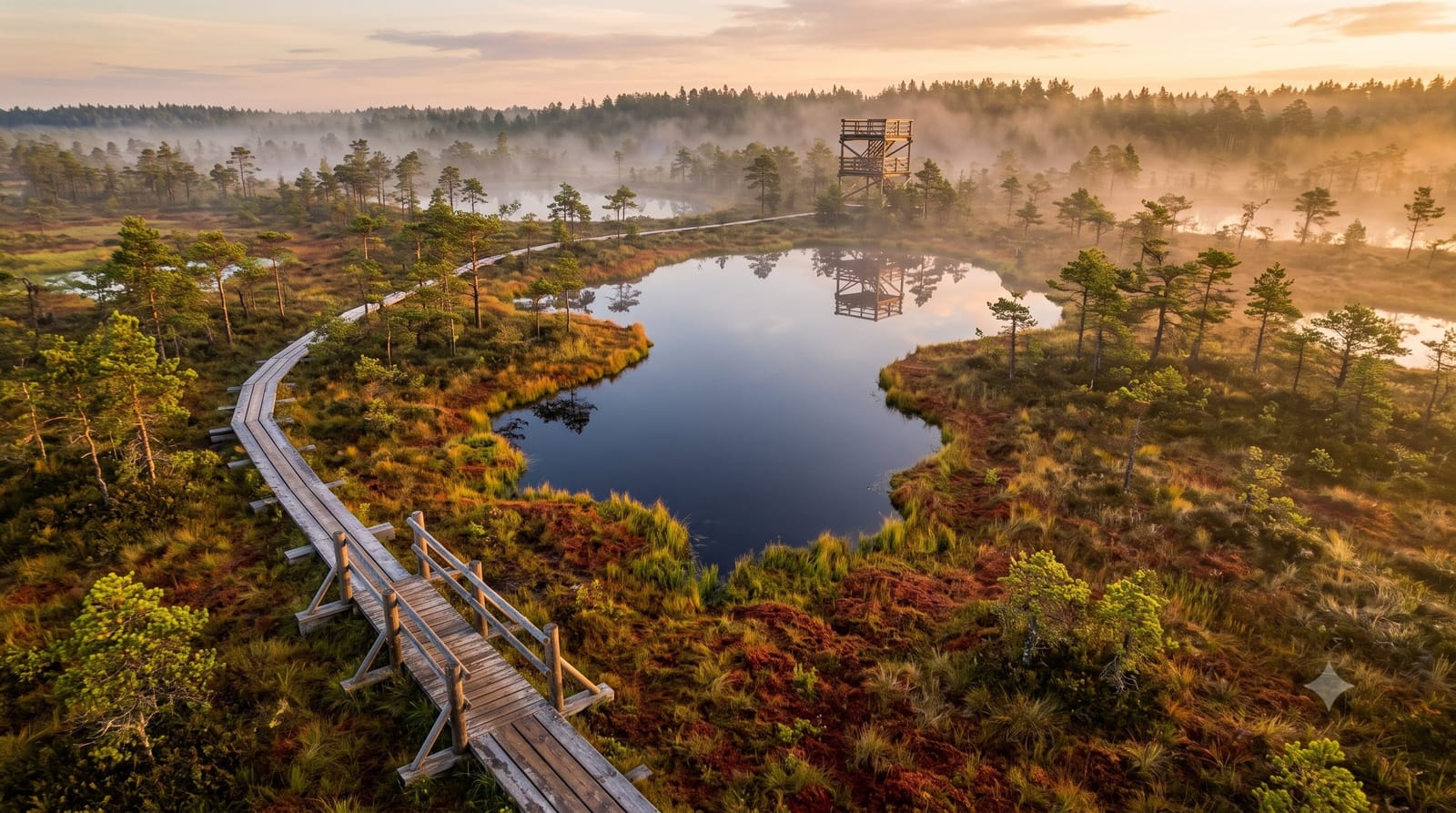
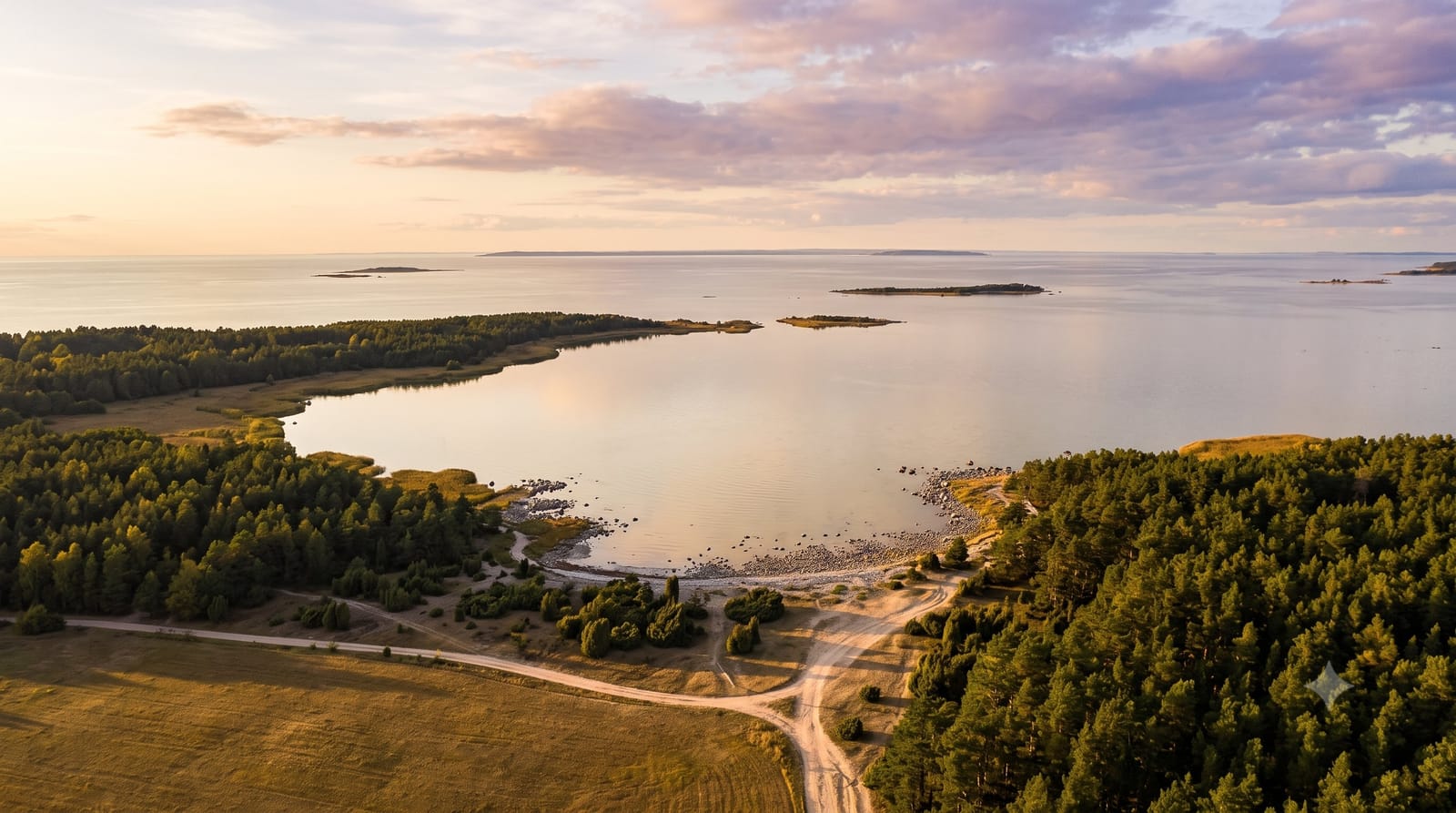
Hiiumaa is about a thousand square kilometres of pine forest, juniper heath and low coast, with roughly nine thousand people on it. It has always been the smaller, stranger sibling to Saaremaa, and islanders lean into that - there is a well-developed local humour about Hiiumaa slowness that visitors are expected to notice.
What you actually see
- Forest roads - flat lanes under tall pines with sudden clearings of juniper.
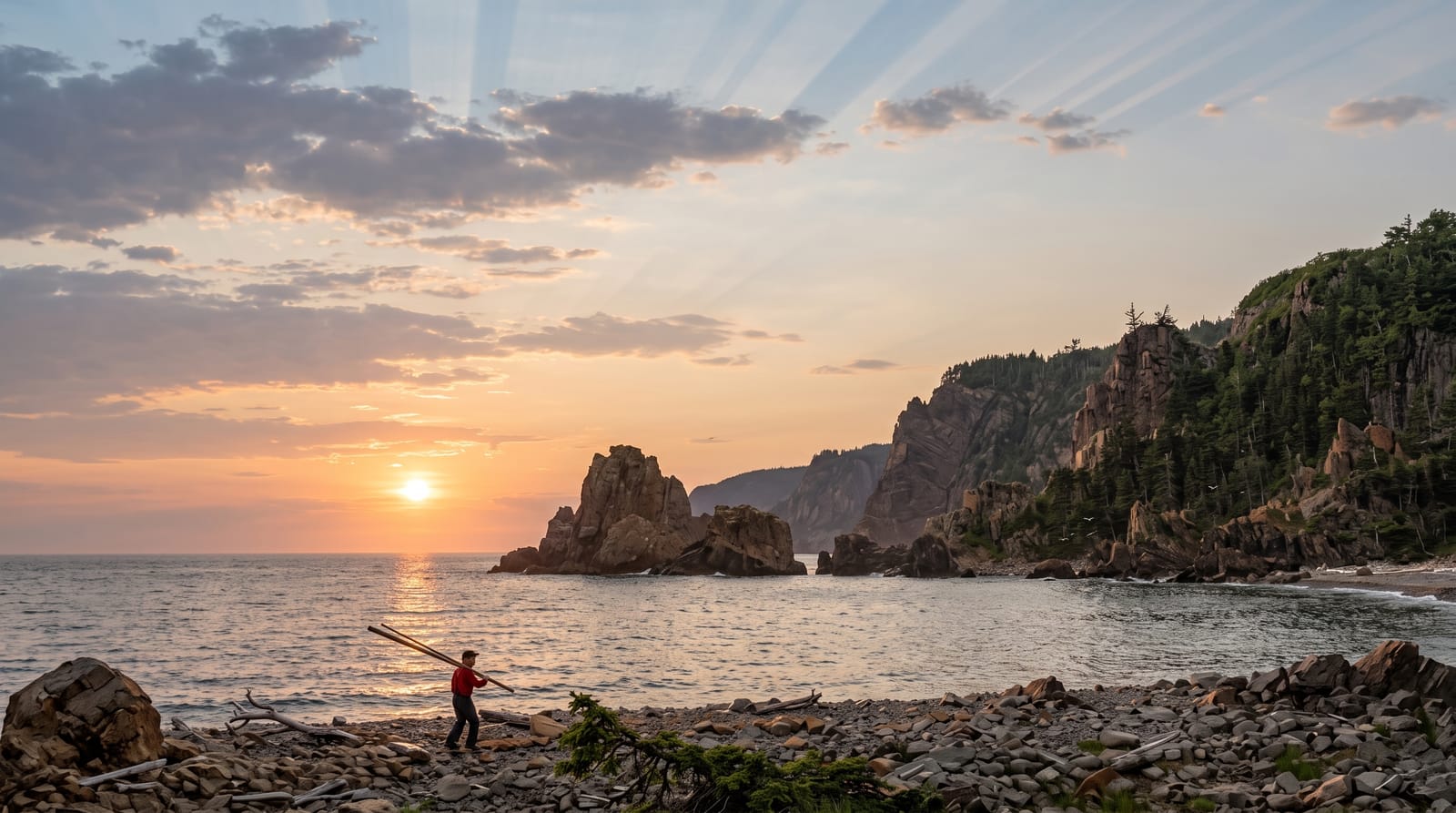
- The coastline - alternating stony shore and long shallow sand.
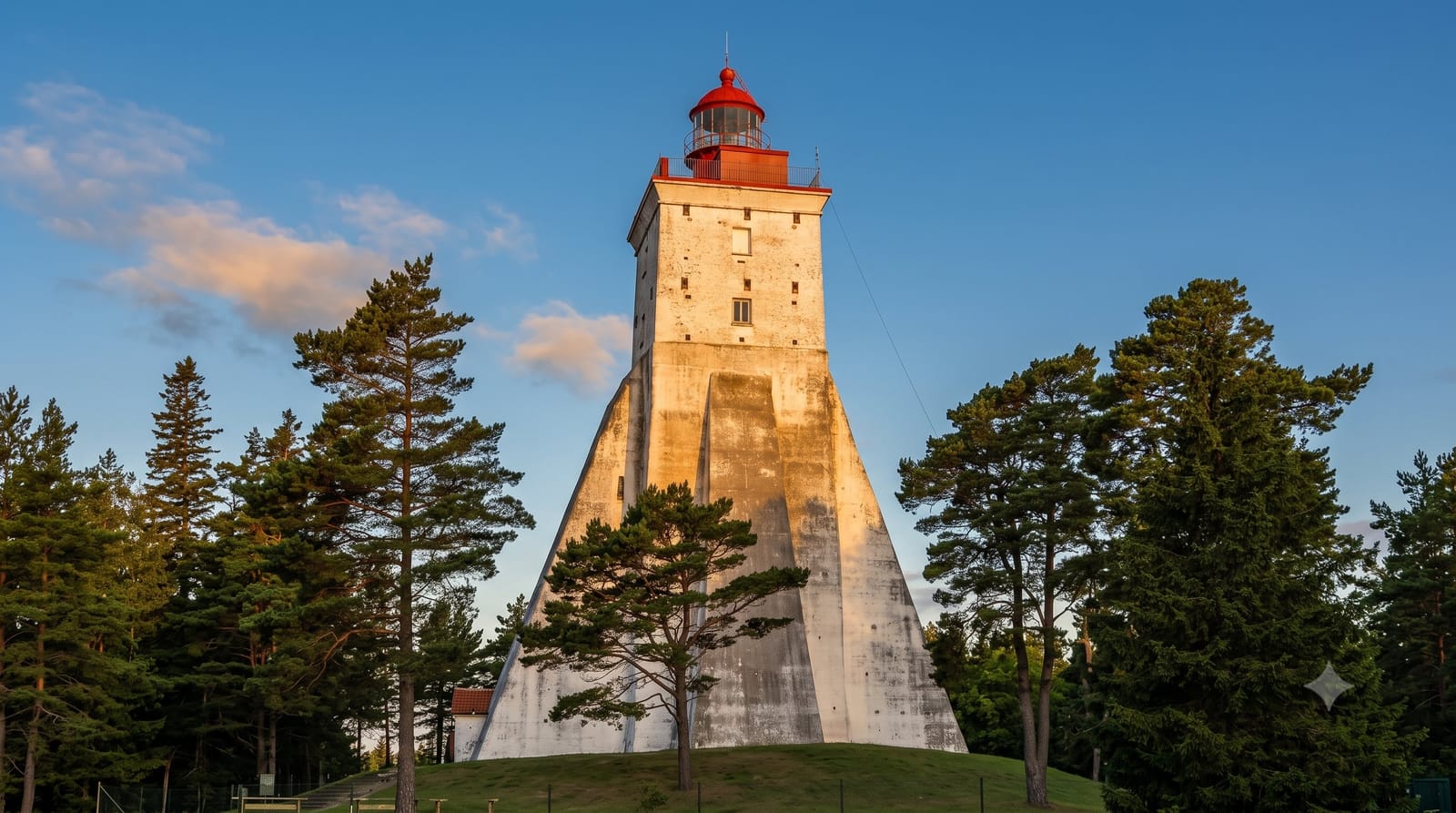
- Three lighthouses - Kõpu on its inland hill, Ristna painted red on the western point, Tahkuna on the northern tip.
- Kassari - meadows, a thatched chapel and the long gravel spit at Sääretirp running out into the sea.
When to go
June to August has everything open, water warm enough to swim off the sand beaches and long light. September is the best month if you want the island without the traffic. Winter is very quiet, ferries can be disrupted by ice, and much of the visitor infrastructure closes.
Honest expectations
Distances are small but travel is slow, and the ferry schedule shapes the whole trip - in high season vehicle places book out well ahead. Without a car or a bike you will see very little of the island.
There are no dramatic viewpoints. Hiiumaa's appeal is atmosphere and emptiness, and if you need a sight every hour it will feel like a lot of driving through pine trees.
Nearby
Vormsi and Saaremaa are both reachable by their own ferries. Haapsalu, on the mainland side of the crossing, makes an easy stop either end of the trip.
What to pack for Hiiumaa
Chosen from what this place is for. Tap a kit for the full checklist.
Plan your trip
Where to start if Hiiumaa is going on the list.
Booking links on this page are affiliate links - if you book through them we may earn a small commission at no extra cost to you. It never changes what we write about a place.
Opening times, ticket prices and seasonal closures change - check the official source before you go: official site.