Ureca and the Southern Beaches
Bioko's rain-soaked wild south - black-sand beaches where four turtle species nest, waterfalls dropping to the surf and the village that guards it all.
Updated 7 August 2026
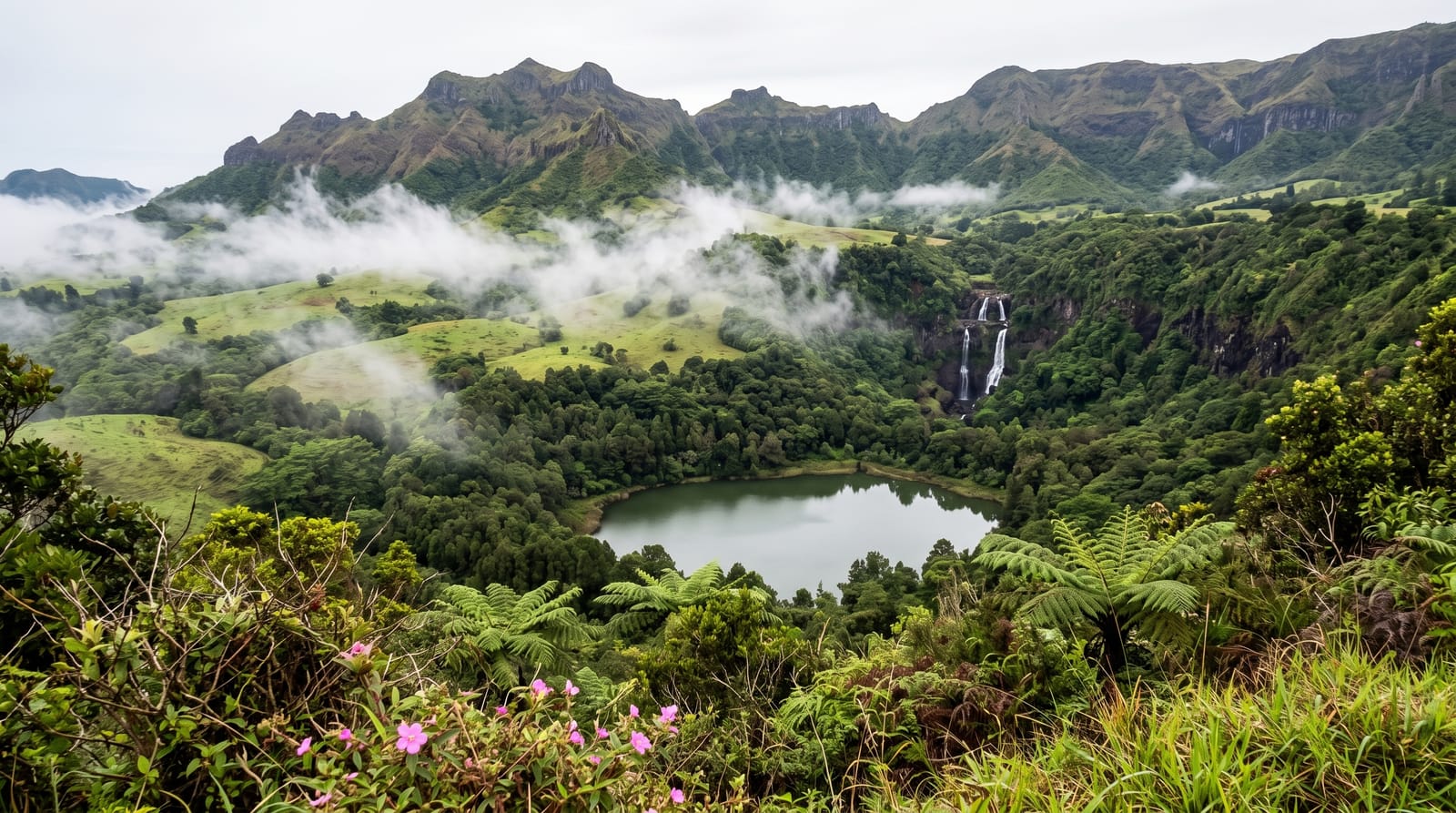
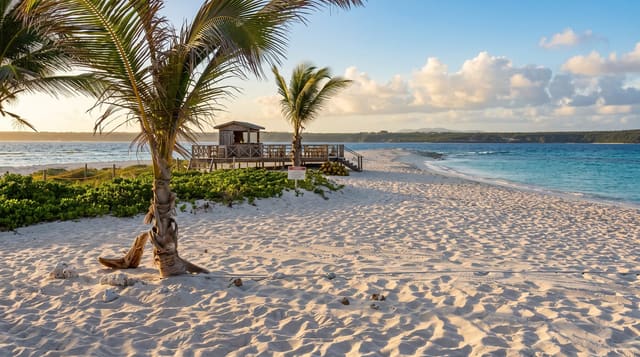
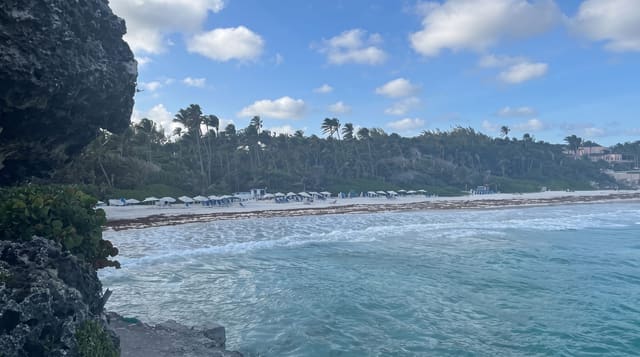
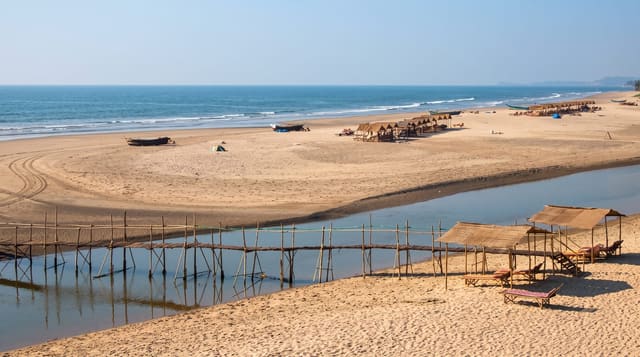
Bioko's south catches the Gulf of Guinea's full rainfall - among the wettest places in Africa - and pays it forward in green: waterfalls drop off jungle cliffs directly onto black-sand beaches where, in season, four sea-turtle species haul out to nest, leatherbacks and greens leading the census. Ureca village keeps the coast: community patrols protect the nests (a project long supported by conservation partnerships), guides walk visitors on the beach circuits and to the cascades, and the journey itself - the southern road through rainforest, then trails - filters arrivals to the genuinely interested. It is the island's wild reward.
Highlights
- The turtle nights - leatherbacks and greens on the black sand.
- The coastal waterfalls - cascades falling to the surf line.
- Ureca village - the community keeping the nesting coast.
- The southern forest - the rain-soaked green of Bioko Sur.
When to go
November to February - the drier window - aligns turtle season with passable access; even then, showers are daily punctuation. Beach patrols run at night under red-light rules.
Things to know
This is arranged, community-hosted travel: fees, guides and village coordination are the model, facilities are simple, and the rain is not negotiable. Turtle protocol is strict - lights, distance, silence as directed. Check current access arrangements from Malabo when planning; they evolve.
Nearby
Luba's bay, the Moka highlands and Malabo across the island.
What to pack for Ureca and the Southern Beaches
Chosen from what this place is for. Tap a kit for the full checklist.
- Reef-safe sunscreen - High SPF that will not bleach the coral you are swimming over. Find on Amazon
- Quick-dry clothing - Board shorts or synthetics that shrug off spray and dry fast. Find on Amazon
- Binoculars - The single best wildlife tool - even a compact pair transforms a sighting. Find on Amazon
- Strong insect repellent - DEET or picaridin; the jungle is where bites and disease risk are highest. Find on Amazon
Some links on this page are Amazon affiliate links - if you buy through them we may earn a small commission at no extra cost to you.
All packing kitsPlan your trip
Where to start if Ureca and the Southern Beaches is going on the list.
Booking links on this page are affiliate links - if you book through them we may earn a small commission at no extra cost to you. It never changes what we write about a place.
Opening times, ticket prices and seasonal closures change - check the official source before you go: official site.