Luxor Museum
A small, exceptionally well-displayed collection on the corniche, including statues found buried under Luxor Temple.
Updated 31 August 2026
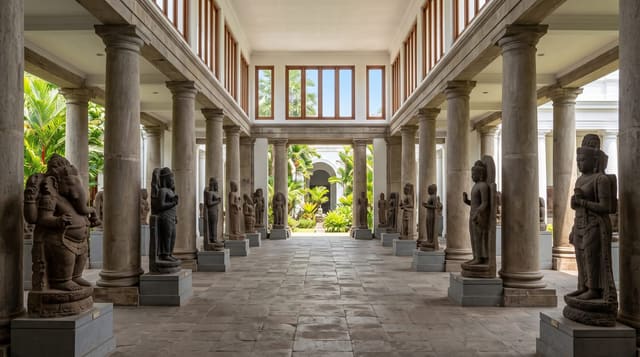
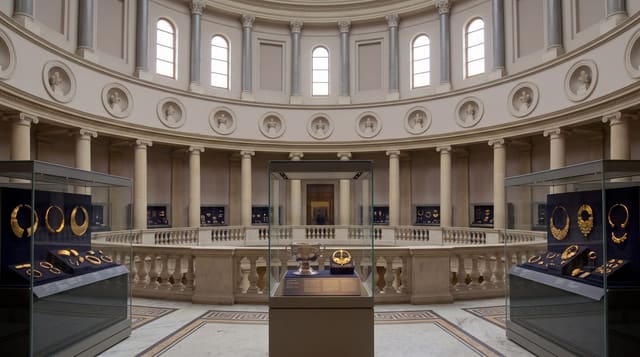
Luxor Museum opened in 1975 and is often described as the best museum in Egypt for the quality of its display rather than the size of its collection: relatively few objects, each given space, lit individually against dark walls, with clear labelling. The core is Theban material, and the outstanding group came from a cache found in 1989 under the court of Luxor Temple, where twenty-six statues had been buried in antiquity and emerged in almost perfect condition, including a standing Amenhotep III in hard stone that is among the finest royal statues anywhere. There is also a wall of talatat blocks reassembled from Akhenaten's dismantled Karnak temple, two royal mummies, and material from Tutankhamun's tomb. The building is quiet and cool.
Highlights
- The Luxor Temple statue cache - twenty-six figures buried and found intact.
- Amenhotep III in quartzite - a royal statue of exceptional quality.
- A reassembled Akhenaten wall - talatat blocks from his Karnak temple.
- Two royal mummies - displayed in a separate darkened hall.
When to go
October to April. Evenings, when the museum stays open late and the lighting is at its best; it is also the coolest time. Two hours. It is never as crowded as the temples.
Things to know
It is small and visitors expecting the scale of Cairo will be surprised. Photography is charged separately or restricted. Ticket prices have risen sharply. The mummy hall is dim and some find it disappointing after the National Museum in Cairo.
Nearby
Luxor Temple is south along the corniche; Karnak is north.
Key facts
Source: Wikidata, item Q1878362, read on 18 October 2026.
What to pack for Luxor Museum
Chosen from what this place is for. Tap a kit for the full checklist.
- Comfortable walking shoes - Sightseeing means kilometres of pavement and cobbles daily. Find on Amazon
- Modest clothing - Shoulders and knees covered - the single most common requirement. Find on Amazon
- A slim anti-theft daypack - Zips that close properly; keep it in front in crowds and on transit. Find on Amazon
- A scarf or shawl - To cover the head or shoulders on entry; women especially at mosques. Find on Amazon
Some links on this page are Amazon affiliate links - if you buy through them we may earn a small commission at no extra cost to you.
All packing kitsPlan your trip
Where to start if Luxor Museum is going on the list.
Booking links on this page are affiliate links - if you book through them we may earn a small commission at no extra cost to you. It never changes what we write about a place.
Opening times, ticket prices and seasonal closures change - check the official source before you go: official site.