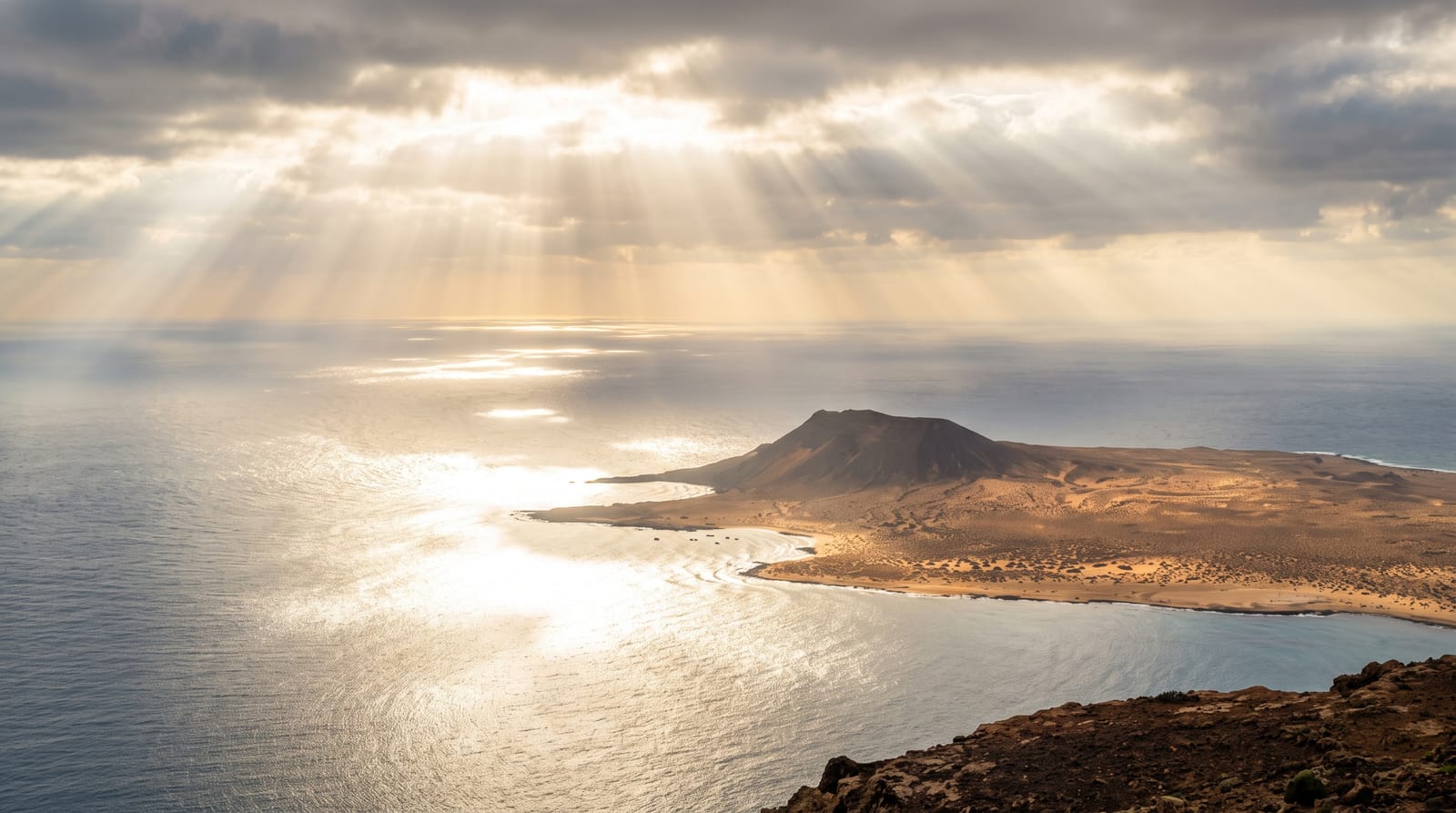
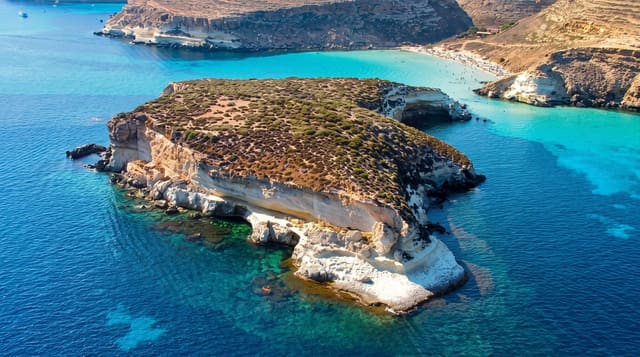
San Cristobal Island
The easternmost inhabited island, the provincial capital, with sea lions occupying the town beach.
Updated 18 October 2026
UNESCO World Heritage
San Cristobal is among the geologically oldest of the main Galapagos islands and the seat of the provincial government, with Puerto Baquerizo Moreno strung along a bay where sea lions have simply taken over: they sleep on the benches, the boat landings, the steps and most of the town beach, and people walk around them. It was the first island Darwin landed on in 1835. An interpretation centre above the town explains the archipelago's natural and human history well, and trails lead from it to Tijeretas bay for snorkelling and to viewpoints over Kicker Rock. The highlands hold El Junco, a crater lake that is one of the few permanent freshwater bodies in Galapagos.
History
San Cristóbal, once called Chatham Island, is built from three or four fused, extinct volcanoes, and El Junco, its small crater lake, the only source of fresh water in the islands, is what led to its early settlement: it has the oldest permanent settlement in the Galápagos, and it is where Darwin first went ashore in 1835. A penal colony for prisoners from mainland Ecuador was built here in 1880, and it later became a military base and the centre for exporting the island's sugar, coffee, cassava, cattle, fish and lime (Wikipedia, San Cristóbal Island).
What you'll find
- Sea lions across the town - animals occupying benches and landings.
- The interpretation centre - the best introduction to the islands.
- El Junco crater lake - permanent freshwater in the highlands.
- Tijeretas bay - snorkelling and the walk from the centre.
When to go
Year round. December to May is warmer and calmer; June to November is cooler with more wind. Two to three days. Direct flights make it a practical entry point.
Good to know
Sea lions are loud all night near the front and the smell is strong. They are wild animals and will bite if crowded; keep two metres away. The highlands are often wet and misty. Restaurant choice is limited outside the main street.
Nearby
Kicker Rock is offshore; Santa Cruz lies west.
Key facts
Source: Wikidata, item Q855652, read on 18 October 2026.
What to pack for San Cristobal Island
Chosen from what this place is for. Tap a kit for the full checklist.
- Reef-safe sunscreen - High SPF that will not bleach the coral you are swimming over. Find on Amazon
- Your own mask + snorkel - A well-fitting mask is the single biggest comfort upgrade underwater. Find on Amazon
- Quick-dry towel - A microfibre towel packs small and dries in minutes. Find on Amazon
- Rash guard or thin wetsuit - Sun cover on the surface and warmth on longer or deeper dives. Find on Amazon
Some links on this page are Amazon affiliate links - if you buy through them we may earn a small commission at no extra cost to you.
All packing kitsPlan your trip
Where to start if San Cristobal Island is going on the list.
Booking links on this page are affiliate links - if you book through them we may earn a small commission at no extra cost to you. It never changes what we write about a place.
Opening times, ticket prices and seasonal closures change - check the official source before you go: official site.