La Vega Vieja
The brick and stone remains of one of the earliest Spanish towns in the Americas, flattened by an earthquake in 1562 and never rebuilt.
Updated 3 September 2026
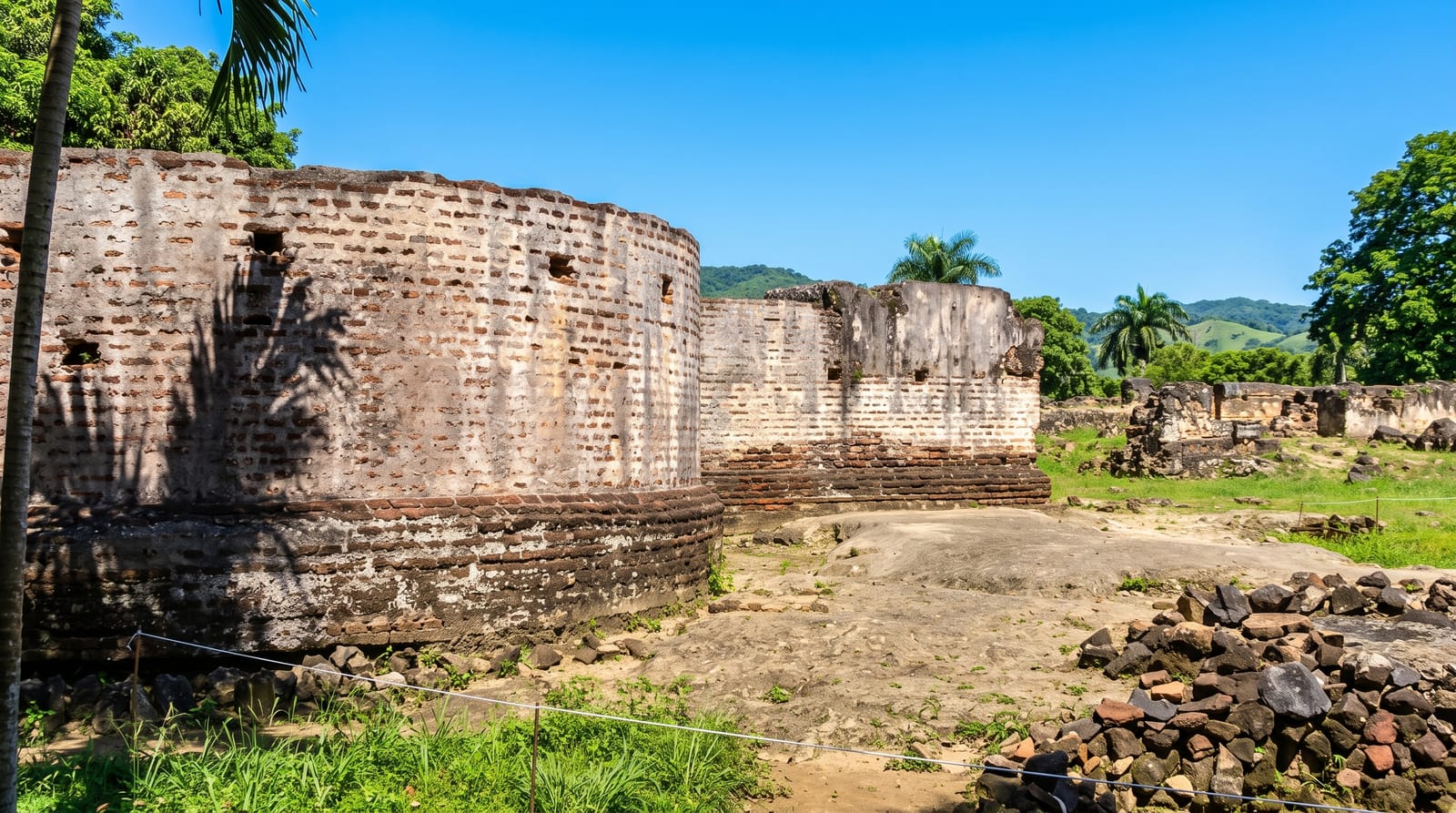
AI illustration
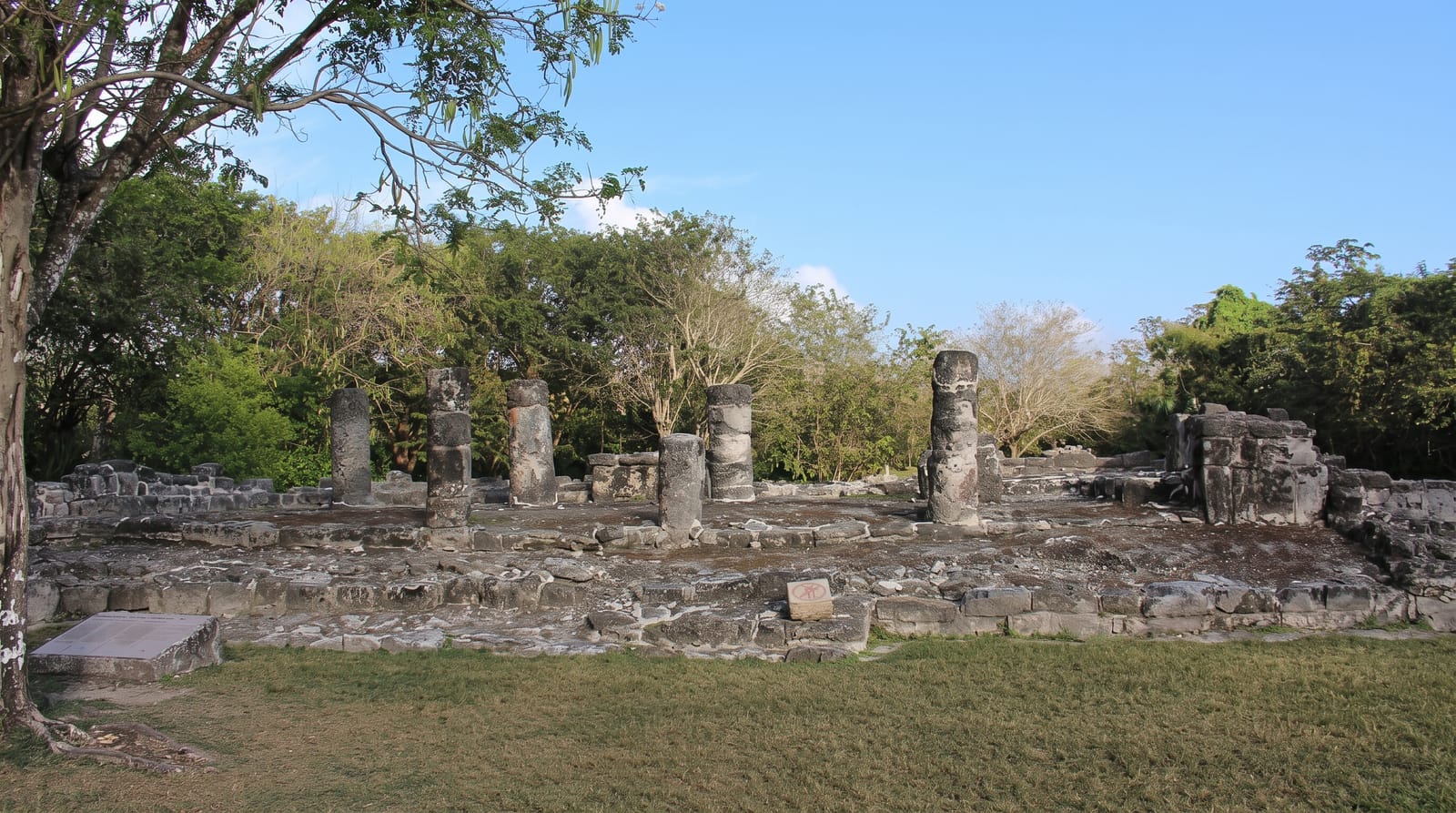
Concepción de la Vega was founded in the 1490s in the fertile Cibao valley, close to the gold-bearing rivers that drew the first Spanish settlers inland, and it grew into one of the most important towns in the early colony, with a fort, a monastery and one of the first royal gold foundries in the Americas. On the second of December 1562 an earthquake destroyed it, and rather than rebuild the survivors moved to the site of the present city. The ruins were left in the fields. What is visible now are brick and stone foundations of the fortress and the Franciscan monastery, standing in a quiet archaeological park with a small museum of the objects recovered.
What to look for
- The fortress foundations - brick walls of the early colonial fort.
- The monastery ruins - the Franciscan foundation beside it.
- The site museum - ceramics, coins and tools from the excavation.
- Santo Cerro - the hilltop church and viewpoint over the valley nearby.
When to go
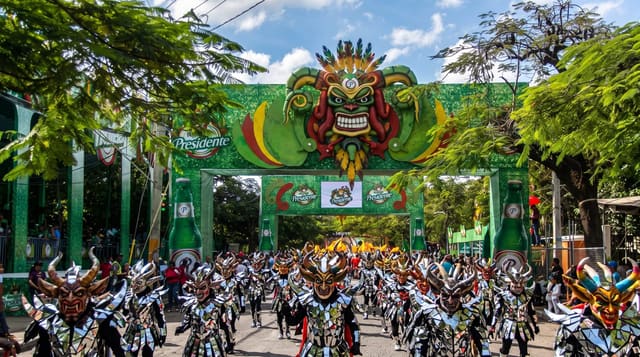
November to April is drier. Mornings are cooler. The site is almost always empty except during the La Vega carnival season in February, when the modern town nearby is full. Combine it with Santo Cerro above.
Good to know
There is not much standing: low brick foundations and outlines, which need the museum and some reading to make sense of. Signage is limited and in Spanish. It takes an hour. The site has suffered from underfunding and parts are overgrown at times.
Nearby
Santo Cerro is five minutes uphill; Jarabacoa is an hour south.
What to pack for La Vega Vieja
Chosen from what this place is for. Tap a kit for the full checklist.
- Comfortable walking shoes - Sightseeing means kilometres of pavement and cobbles daily. Find on Amazon
- Modest clothing - Shoulders and knees covered - the single most common requirement. Find on Amazon
- A slim anti-theft daypack - Zips that close properly; keep it in front in crowds and on transit. Find on Amazon
- A scarf or shawl - To cover the head or shoulders on entry; women especially at mosques. Find on Amazon
Some links on this page are Amazon affiliate links - if you buy through them we may earn a small commission at no extra cost to you.
All packing kitsPlan your trip
Where to start if La Vega Vieja is going on the list.
Booking links on this page are affiliate links - if you book through them we may earn a small commission at no extra cost to you. It never changes what we write about a place.
Opening times, ticket prices and seasonal closures change - check the official source before you go: official site.