Guama
A reconstructed Taino village on wooden islands in a Zapata lagoon, reached by boat past a crocodile farm.
Updated 1 September 2026
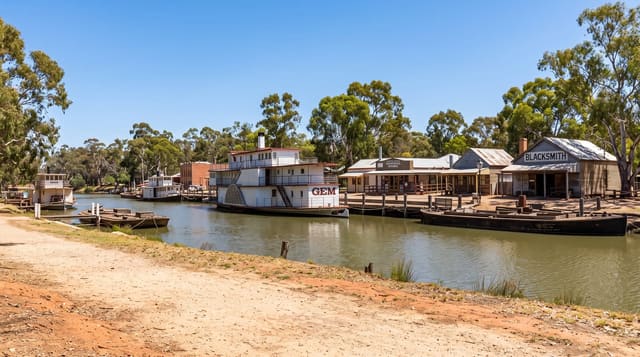
At La Boca on the edge of the Zapata swamp there is a crocodile breeding farm holding Cuban and American crocodiles, and from the jetty beside it boats run across the Laguna del Tesoro to Guamá. The village there is a 1960s reconstruction: thatched huts on a group of small wooden islands linked by walkways, with life-size sculptures by Rita Longa showing Taíno people at work and at rest. It is part museum, part hotel, and the boat ride across the lagoon through the reeds is a good part of the appeal.
What to look for
- The crocodile farm - Cuban and American crocodiles in breeding enclosures at the jetty.
- The lagoon crossing - a boat run across the Laguna del Tesoro through reed channels.
- The island village - thatched huts on linked wooden islands, built as a reconstruction.
- The sculptures - Rita Longa's life-size figures of Taino people set among the huts.
When to go
November to April is the dry season and the best for the boat and the birds on the lagoon. Mosquitoes are serious in the swamp at any time and worse in the wet months. Early boats are quieter.
Before you go
The village is a 1960s reconstruction rather than an archaeological site, and it has weathered. The crocodile farm keeps animals in conditions some visitors find poor, and crocodile meat is sold at the restaurant. Mosquito repellent is not optional here.
Nearby
Playa Larga and the Zapata swamp birding areas are south, and the Bellamar caves are north near Matanzas.
What to pack for Guama
Chosen from what this place is for. Tap a kit for the full checklist.
- Reef-safe sunscreen - High SPF that will not bleach the coral you are swimming over. Find on Amazon
- Head torch + spare batteries - Hands-free light is essential; caves are truly dark. Find on Amazon
- Comfortable walking shoes - Sightseeing means kilometres of pavement and cobbles daily. Find on Amazon
- Shelter suited to the place - Tent, tarp or hut booking - match it to the terrain and rules. Find on Amazon
Some links on this page are Amazon affiliate links - if you buy through them we may earn a small commission at no extra cost to you.
All packing kitsPlan your trip
Where to start if Guama is going on the list.
Booking links on this page are affiliate links - if you book through them we may earn a small commission at no extra cost to you. It never changes what we write about a place.
Opening times, ticket prices and seasonal closures change - check the official source before you go: official site.