Vis Island
The farthest inhabited island from the Croatian mainland, opened to tourism late, with two harbour towns, steep vineyards and hard to reach coves.
Updated 19 October 2026
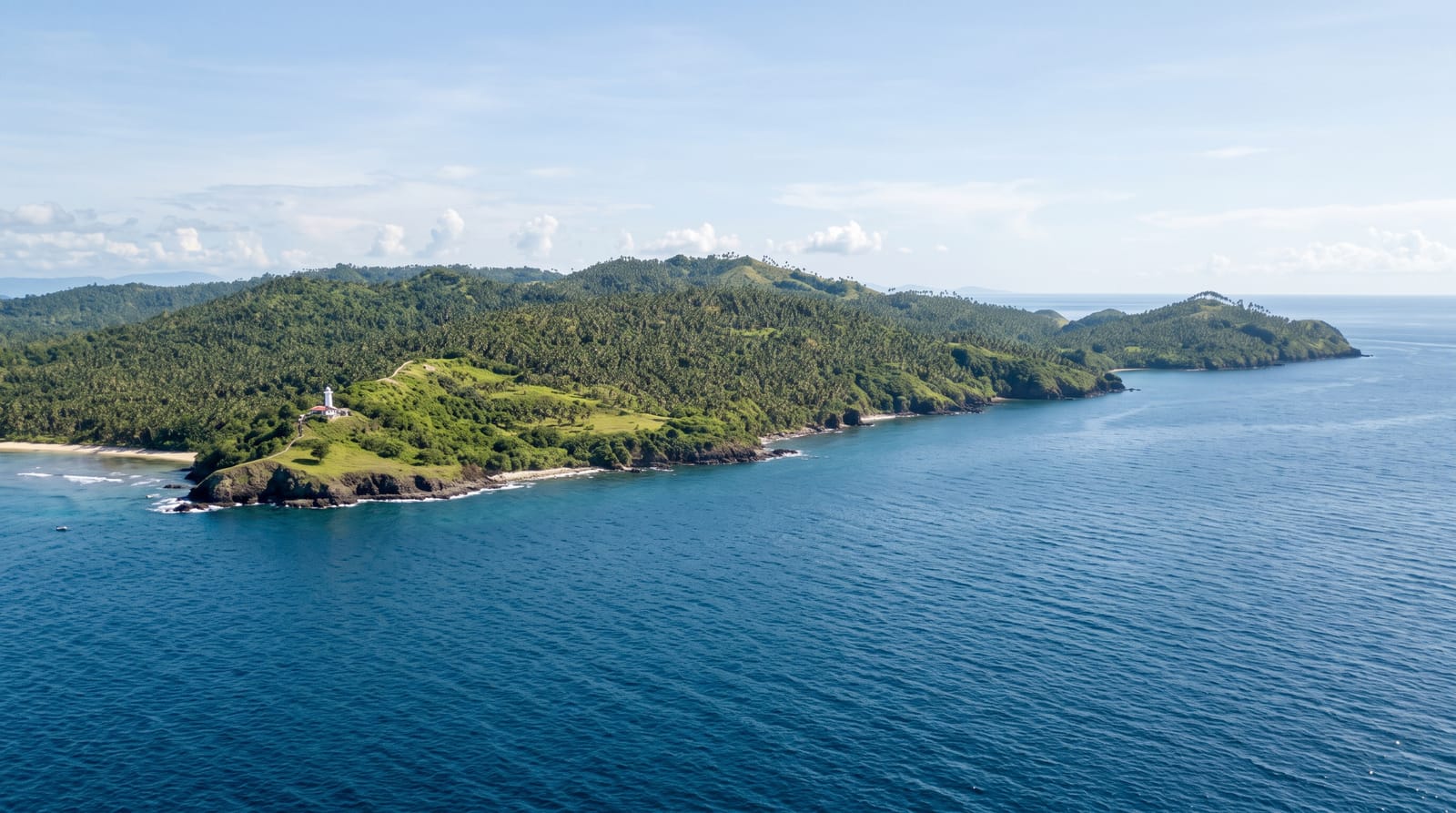
Vis lies roughly forty five kilometres out from Split, farther than any other inhabited Croatian island, and it came to tourism decades later than its neighbours. The result is an island with two proper towns rather than resorts - Vis on the northern side, Komiza facing west under a steep hill - and an interior of vineyards, terraces and stone field huts. Roads are few and mostly narrow. The coastline is largely inaccessible by car, so the best coves are reached by boat, on foot down long paths, or not at all. Mount Hum rises to just under six hundred metres above Komiza and takes in the whole island and the open sea beyond.
History
Vis was lived on in the Neolithic, and its Illyrian people were under the Liburni from the 8th to the 6th century BC. In the 4th century BC Dionysius the Elder, tyrant of Syracuse, founded the Greek colony of Issa here as part of a plan to control the Adriatic, and in the 3rd century Issa founded trading posts of its own on the mainland, Tragurion (Trogir) and Epetion (Stobreč). Issa minted its own coins and was walled with strong Hellenistic walls, still visible as a quadrangle of 265 by 360 metres enclosing 9.8 hectares; its leading position lasted until the first Illyro-Roman war of 229-219 BC, and after it sided with Pompey against Caesar it lost its autonomy in 47 BC and came under the new colony at Salona. The Roman theatre, which seated about 3,000, survives in the walls of the Franciscan monastery. Under Venice, which held the island until 1797, the towns of Komiža and Vis grew along the shore and the island was long governed together with Hvar; the local dialect keeps a large Venetian vocabulary. It passed to the Habsburgs in 1797, to Napoleon's Kingdom of Italy in 1805 and to the Illyrian Provinces of the French Empire in 1809 (Wikipedia, Vis (island)).
What you'll find
- Komiza - a working fishing town below a steep hillside, with a small fortified building on the waterfront.
- Mount Hum - the island's high point above Komiza, reached by a narrow road, with a view over the open Adriatic.
- Stiniva cove - a near enclosed inlet reached by a steep path down or by boat, with a pebble beach behind a rock gate.
- The interior vineyards - terraced fields and stone huts in the central plain, planted with local grape varieties.
When to go
June to September, when ferries and catamarans run at full frequency. Late June and early September are the best balance of warm sea and space. Ferry schedules thin dramatically outside summer and a rough sea can cancel the catamaran. Book vehicle space well ahead in August or leave the car in Split.
Things to know
It is a long crossing and a genuine commitment; day trips leave very little time on the island. Prices on Vis are higher than on the mainland because everything arrives by ferry. The best beaches involve steep paths or a boat. Accommodation is limited and books out early. Cruise and excursion boats crowd the Komiza waterfront in the middle of the day.
Nearby
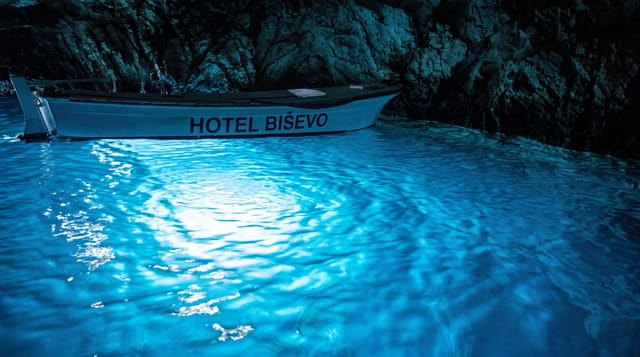
The blue cave on Bisevo is a short boat ride west, and Hvar lies between Vis and the mainland.
Key facts
Source: Wikidata, item Q203767, read on 18 October 2026.
What to pack for Vis Island
Chosen from what this place is for. Tap a kit for the full checklist.
- Travel rod + reel - A packable multi-piece rod fits in a case and covers most holiday fishing. Find on Amazon
- Reef-safe sunscreen - High SPF that will not bleach the coral you are swimming over. Find on Amazon
- Head torch + spare batteries - Hands-free light is essential; caves are truly dark. Find on Amazon
- Modest clothing - Shoulders and knees covered - the single most common requirement. Find on Amazon
Some links on this page are Amazon affiliate links - if you buy through them we may earn a small commission at no extra cost to you.
All packing kitsPlan your trip
Where to start if Vis Island is going on the list.
Booking links on this page are affiliate links - if you book through them we may earn a small commission at no extra cost to you. It never changes what we write about a place.
Opening times, ticket prices and seasonal closures change - check the official source before you go: official site.