Fazana
The ferry village for Brijuni, which built its identity on the sardine and holds a festival for it.
Updated 19 October 2026
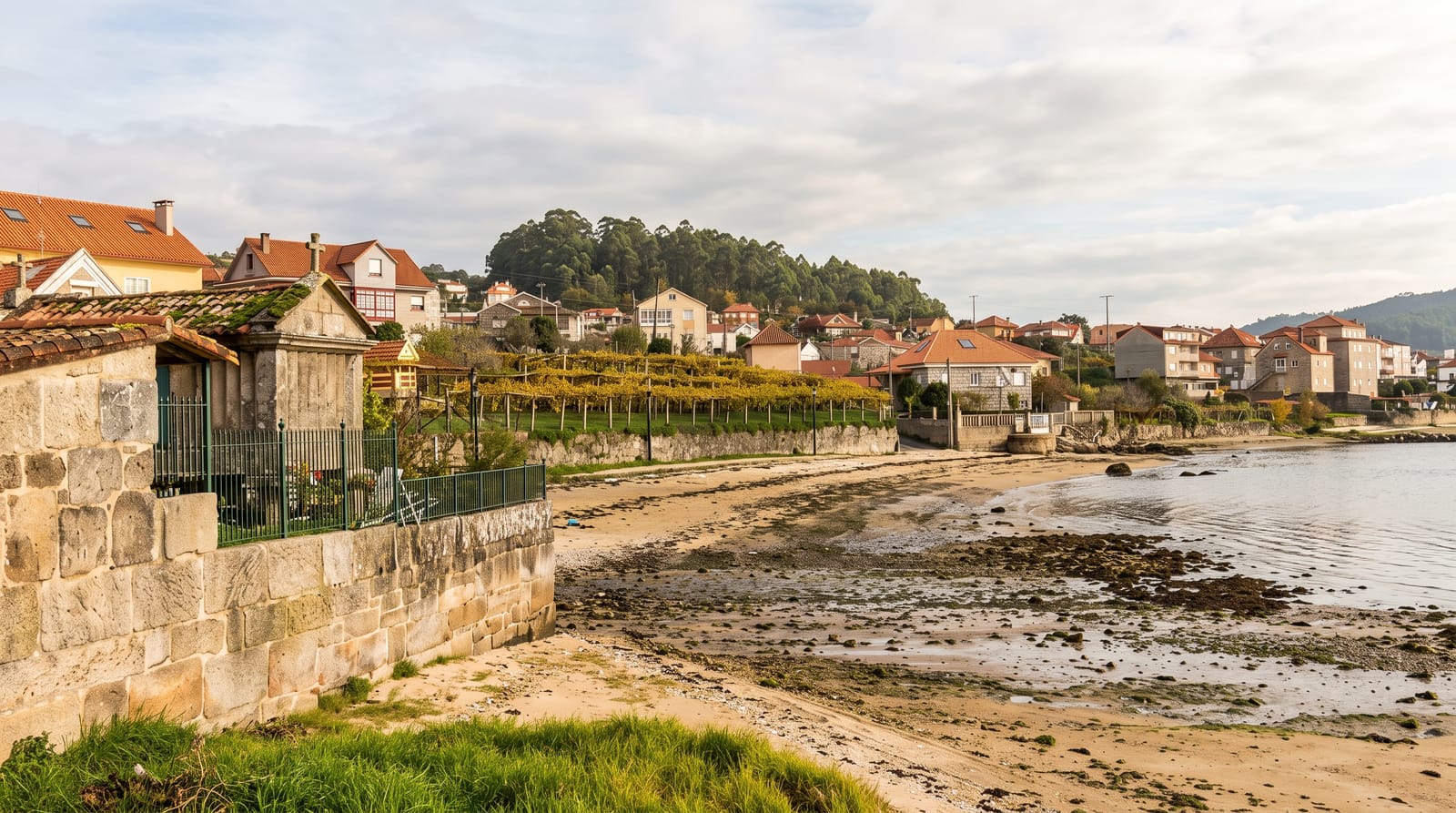
Fazana is a small waterfront village facing the Brijuni islands across a narrow channel, and it is the point of departure for the national park ferry, which is what brings most people. Its own history is the pilchard: a sardine cannery worked here from the late nineteenth century, among the earliest on this coast, and the fish shaped the local economy for generations. The village keeps that with a summer festival built around sardines grilled on the waterfront, and the harbour front is lined with restaurants doing the same thing. Roman kilns that produced amphorae for Istrian oil have been excavated nearby.
History
Fažana is of Roman origin: its land was Roman by 177 BC and belonged to the colony of Pula. From late in the reign of Augustus until the 2nd century AD a workshop in the centre of today's village made bricks, pottery and above all amphorae, in which Istrian oil and wine, grain and salted fish were shipped; it belonged to the local Laecanii family, its first known owner being the praetor Gaius Laecanius Bassus, and many of the jars carry the signatures of the men who made them. Wealthy Romans built villas around the harbour, among them the villa at Valbandon, 2 kilometres away, with floors of floral and geometric patterns. In the 6th century the church of Sant'Eliseo rose on the foundations of a late Roman palace; the small church of Santa Maria del Carmelo followed in the 14th century, with 15th-century frescoes, and in the 15th century the Gothic church of Saints Cosmas and Damian was built by the sea, with a 27-metre bell tower and a Last Supper by Giorgio Ventura of 1598 (Wikipedia, Fažana).
What's there
- The ferry to Brijuni - leaving from the village harbour.
- An early sardine cannery - among the first on this coast.
- A sardine festival in summer - fish grilled along the waterfront.
- Roman amphora kilns - excavated in the area.
When to go
June to September, when the ferries and the festival run. Half a day.
What to expect
Brijuni tickets should be booked ahead in summer and the ferry is the main reason to be here. The village itself is small and quickly seen. Parking near the harbour is difficult in season. Beaches are shallow rock.
Nearby
Brijuni is across the channel; Pula is south.
Key facts
Source: Wikidata, item Q1024726, read on 18 October 2026.
What to pack for Fazana
Chosen from what this place is for. Tap a kit for the full checklist.
- Reef-safe sunscreen - High SPF that will not bleach the coral you are swimming over. Find on Amazon
- Comfortable walking shoes - Sightseeing means kilometres of pavement and cobbles daily. Find on Amazon
- Quick-dry towel - A microfibre towel packs small and dries in minutes. Find on Amazon
- A slim anti-theft daypack - Zips that close properly; keep it in front in crowds and on transit. Find on Amazon
Some links on this page are Amazon affiliate links - if you buy through them we may earn a small commission at no extra cost to you.
All packing kitsPlan your trip
Where to start if Fazana is going on the list.
Booking links on this page are affiliate links - if you book through them we may earn a small commission at no extra cost to you. It never changes what we write about a place.
Opening times, ticket prices and seasonal closures change - check the official source before you go: official site.