Raquira
A Boyaca village of brightly painted houses where clay has been worked since before the Spanish arrived, and still is.
Updated 19 October 2026
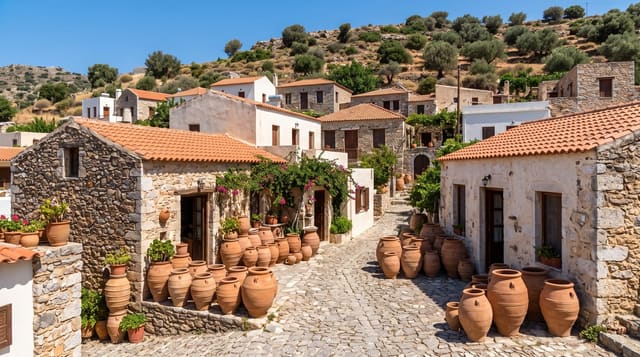
The name is generally translated from Chibcha as city of pots, and the Muisca worked the clay here before the conquest - the deposits around the village are good and the tradition never stopped. Workshops through the village make everything from tableware and planters to the small clay figures, animals and nativity pieces sold across Colombia, much of it still shaped by hand or on simple wheels and fired in wood kilns. The houses along the main streets are painted in strong contrasting colours, which is a later decision and is what most photographs show. It is a working craft village rather than a preserved one, and prices are notably lower than in the shops of Bogota or Villa de Leyva that resell the same work.
History
Before the Spanish conquest the Muisca lived here, and Ráquira was already known for its pottery made from the local clay; in Chibcha the name is read as village of the pans. Gonzalo Jiménez de Quesada crossed the valley in March 1537, and the friar Francisco de Orejuela founded the modern town on 18 October 1580 (Wikipedia, Ráquira).
What to look for
- Clay worked since before the conquest - the Muisca were potting here.
- Workshops through the village - hand-shaped and wood-fired.
- Strongly painted house fronts - a later decision, and the postcard.
- Lower prices than the resellers - buying at source.
When to go
Year round. Half a day.
Practical notes
It is heavily geared to visitors and the main street is entirely shops. Much of what is sold is mass-produced locally rather than individually made - ask. Weekends bring coach traffic. The village is small.
Nearby
La Candelaria monastery is close; Villa de Leyva is north-east.
What to pack for Raquira
Chosen from what this place is for. Tap a kit for the full checklist.
- Comfortable walking shoes - Sightseeing means kilometres of pavement and cobbles daily. Find on Amazon
- Modest clothing - Shoulders and knees covered - the single most common requirement. Find on Amazon
- A slim anti-theft daypack - Zips that close properly; keep it in front in crowds and on transit. Find on Amazon
- A scarf or shawl - To cover the head or shoulders on entry; women especially at mosques. Find on Amazon
Some links on this page are Amazon affiliate links - if you buy through them we may earn a small commission at no extra cost to you.
All packing kitsPlan your trip
Where to start if Raquira is going on the list.
Booking links on this page are affiliate links - if you book through them we may earn a small commission at no extra cost to you. It never changes what we write about a place.
Opening times, ticket prices and seasonal closures change - check the official source before you go: official site.