Getsemani
The Cartagena quarter outside the inner walls where artisans and free Black residents lived, now muralled and gentrifying fast.
Updated 30 August 2026
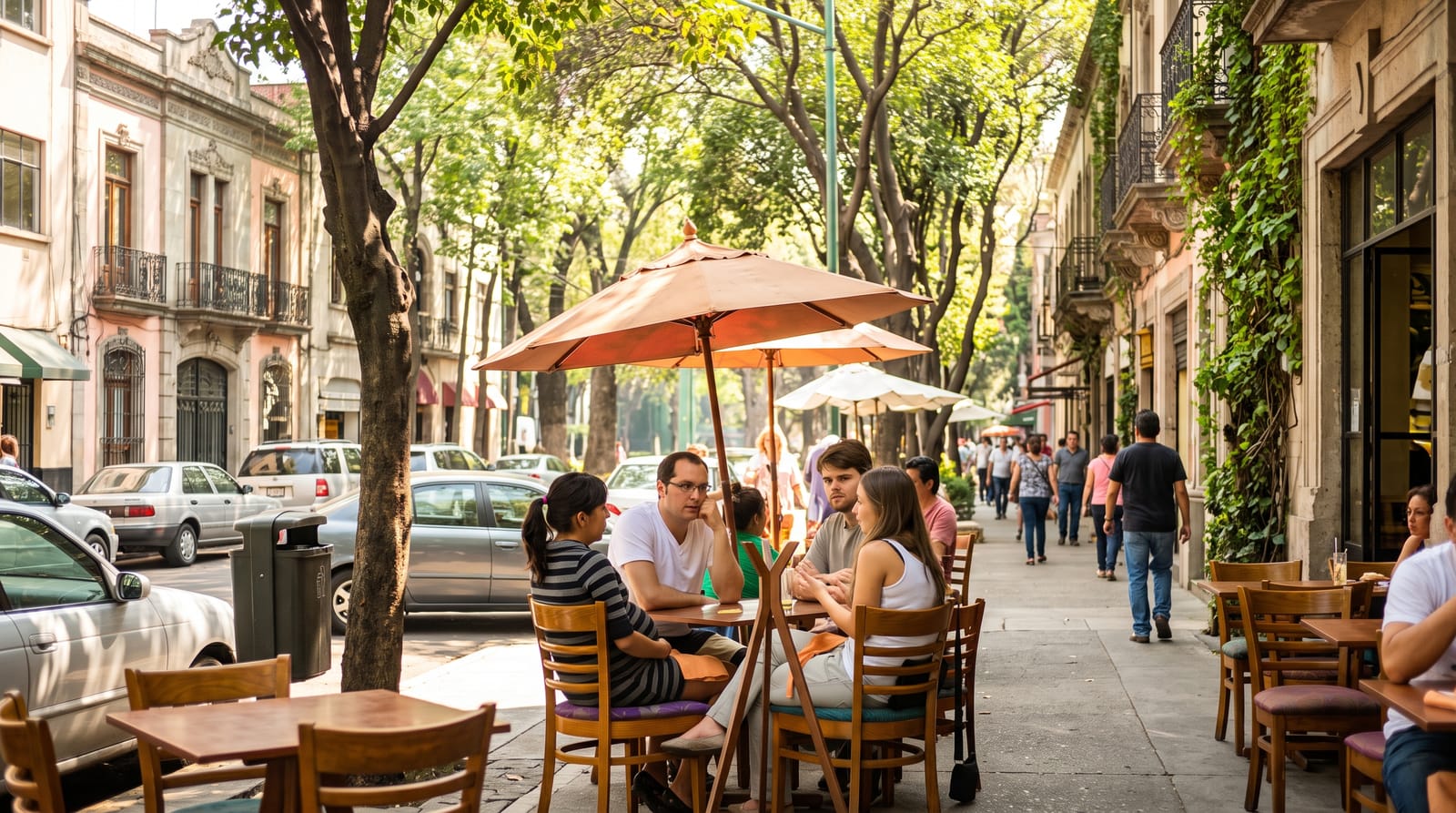
Getsemani sits just outside the inner walled city and was historically where artisans, free Black residents and working people lived while the elite occupied the centre - it was also where the independence movement of 1811 had its base, and Pedro Romero, a free Black artisan, led the crowd that forced the declaration. For most of the twentieth century it was poor and largely avoided by visitors. That changed quickly: the streets are now covered in murals, the Plaza de la Trinidad fills every evening, and hostels, bars and restaurants have taken over - along with property prices, which have pushed out a substantial number of long-term residents, a process locals talk about openly and with some anger. The quarter is still lived in, but less by the people who made it.
The main sights
- Murals through the streets - the quarter's current visual identity.
- Plaza de la Trinidad - filling every evening with people.
- The 1811 independence base - led from here by Pedro Romero.
- Visible displacement - long-term residents pushed out by prices.
When to go
December to April; evenings are when the plaza works. Half a day.
What to expect
Gentrification has changed the quarter substantially and residents have mixed views about visitors. It is loud at night. Prices are high for Cartagena. Photography of people and homes should be asked.
Nearby
The walled city is over the bridge; the Castillo San Felipe is east.
What to pack for Getsemani
Chosen from what this place is for. Tap a kit for the full checklist.
- Comfortable walking shoes - Sightseeing means kilometres of pavement and cobbles daily. Find on Amazon
- A slim anti-theft daypack - Zips that close properly; keep it in front in crowds and on transit. Find on Amazon
- A refillable water bottle - Many cities have public fountains; save money and plastic. Find on Amazon
- A light layer + compact umbrella - For museum air-con and a sudden shower. Find on Amazon
Some links on this page are Amazon affiliate links - if you buy through them we may earn a small commission at no extra cost to you.
All packing kitsPlan your trip
Where to start if Getsemani is going on the list.
Booking links on this page are affiliate links - if you book through them we may earn a small commission at no extra cost to you. It never changes what we write about a place.
Opening times, ticket prices and seasonal closures change - check the official source before you go: official site.