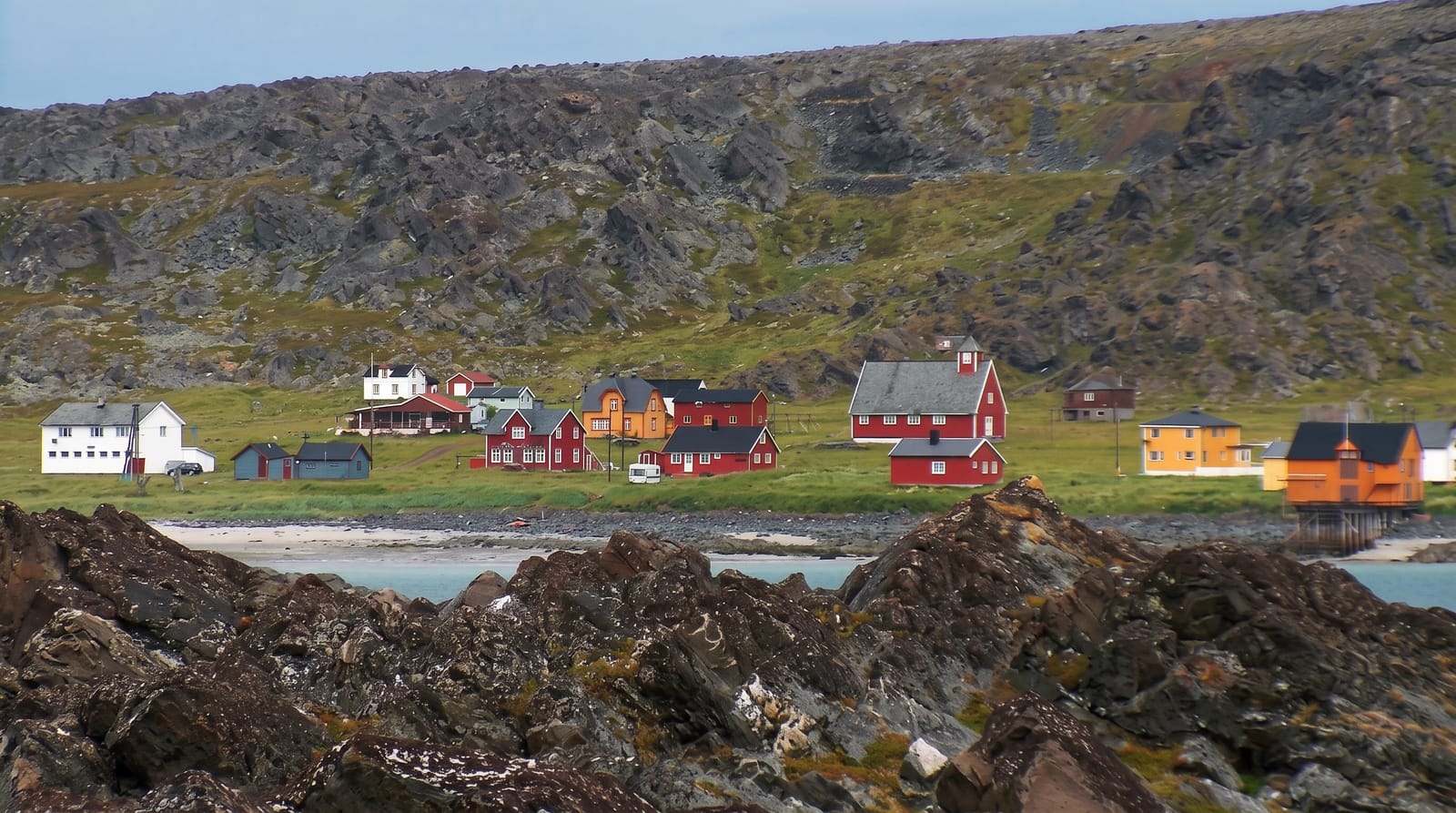
San Basilio de Palenque
A village founded by escaped enslaved Africans, promised its freedom by the Spanish crown in 1691, where a creole language survives.
Updated 21 October 2026
UNESCO Intangible Cultural Heritage
People who escaped enslavement in Cartagena formed fortified settlements called palenques in the surrounding country, and this one, led by Benkos Bioho, held out long enough that the crown promised its freedom by royal decree in 1691, and in 1713 an agreement signed by the bishop granted it its land - which is the basis for the claim that it was the first free African town in the Americas. What survived alongside is Palenquero, a creole language built on Spanish with Kikongo and other Bantu grammar underneath, still spoken here and widely described as the only Spanish-based creole language in Latin America. UNESCO inscribed the cultural space in 2005. Drumming, funeral rites called lumbalu, hairbraiding traditions and the palenquera fruit sellers seen in Cartagena all come from here. Visits should go through community guides.
History
In 1599 some thirty people escaped slavery near Cartagena into the forest under Benkos Biohó, and around 1600 he and his wife, Queen Wiwa, founded a settlement at Matuna, fenced with palisades, which gave it the name palenque; tradition, and the statue of Benkos in the main square, give the year 1603. A royal decree of 1691 guaranteed its people freedom if they stopped taking in new runaways, in January 1713, with 137 homes, it was renamed San Basilio Magno, and that year Bishop Antonio María Casiani signed an agreement granting the community its land. In 1772 it was included in the district of Mahates, and in 2005 UNESCO proclaimed its cultural space a masterpiece of the oral and intangible heritage of humanity (Wikipedia, San Basilio de Palenque).
What's there
- Freedom by royal decree in 1691 - and its land by agreement in 1713.
- Palenquero - a Spanish-based creole with Bantu grammar, still spoken.
- Drumming and lumbalu funeral rites - kept as living practice.
- A UNESCO-listed cultural space - inscribed in 2005.
When to go
December to April; October festival week is the peak. A full day.
Before you go
This is a community, not an attraction - go with community guides and pay them. Photography of people needs asking. Facilities are minimal. The village is poor and infrastructure is limited.
Nearby
Cartagena is north-west; Mahates is on the main road.
Key facts
Source: Wikidata, item Q692174, read on 18 October 2026.
What to pack for San Basilio de Palenque
Chosen from what this place is for. Tap a kit for the full checklist.
- Comfortable walking shoes - Sightseeing means kilometres of pavement and cobbles daily. Find on Amazon
- A slim anti-theft daypack - Zips that close properly; keep it in front in crowds and on transit. Find on Amazon
- A refillable water bottle - Many cities have public fountains; save money and plastic. Find on Amazon
- A light layer + compact umbrella - For museum air-con and a sudden shower. Find on Amazon
Some links on this page are Amazon affiliate links - if you buy through them we may earn a small commission at no extra cost to you.
All packing kitsPlan your trip
Where to start if San Basilio de Palenque is going on the list.
Booking links on this page are affiliate links - if you book through them we may earn a small commission at no extra cost to you. It never changes what we write about a place.
Opening times, ticket prices and seasonal closures change - check the official source before you go: official site.