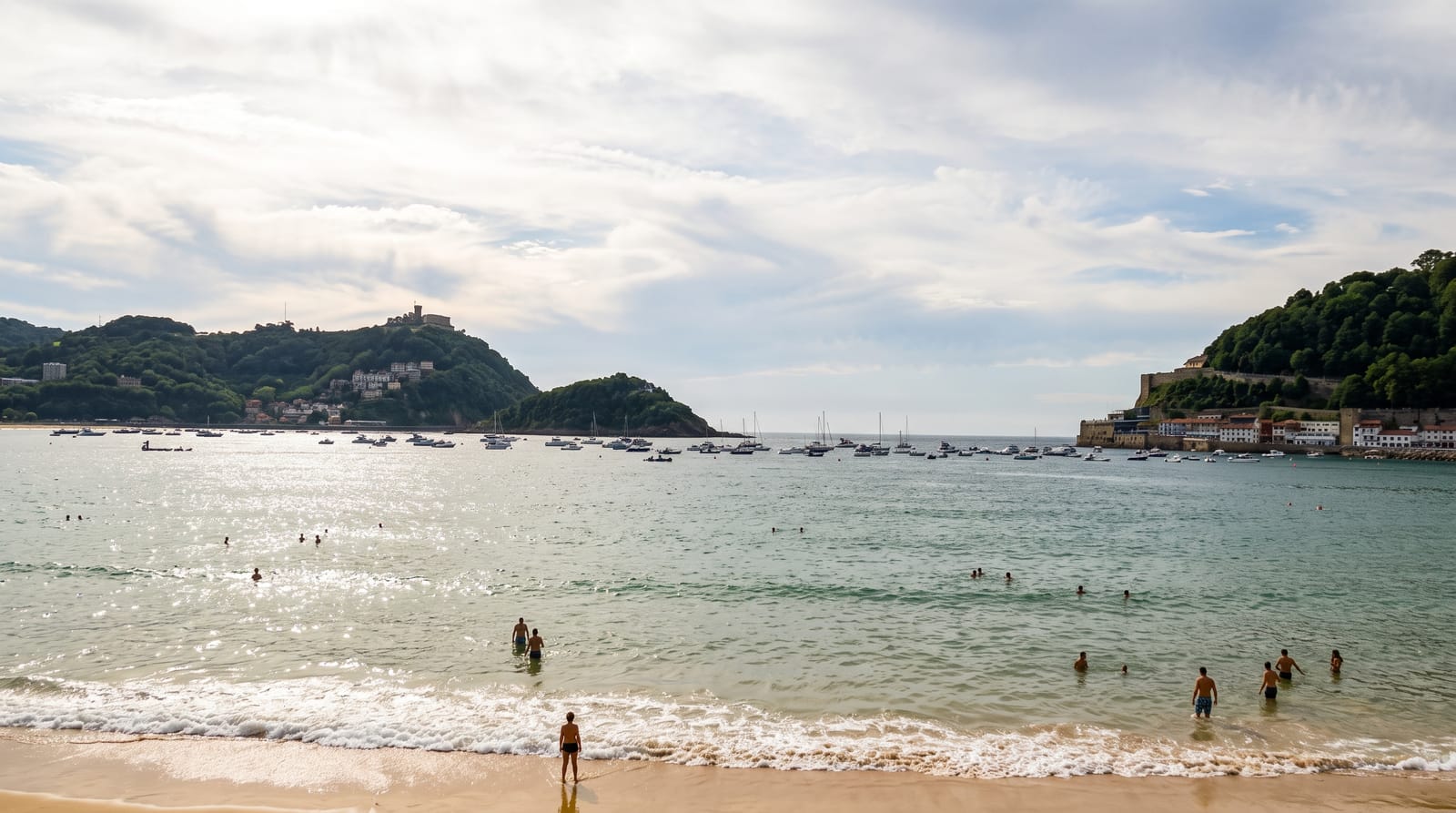
Bahia Malaga
A Pacific bay where humpback whales come from Antarctica each year to give birth, in warm water they travel eight thousand kilometres for.
Updated 30 August 2026
Humpbacks that feed in the Antarctic through the southern summer swim north to the Colombian Pacific to breed and calve, a journey of around eight thousand kilometres and one of the longest migrations of any mammal - they arrive from about July and stay into October, and Bahia Malaga's sheltered warm water is one of the main nursery areas, so mothers with newborn calves are the usual sighting along with breaching and males singing. The bay is a national park. Juanchaco and Ladrilleros, Afro-Colombian villages on the coast, are the bases, reached by boat from Buenaventura since there is no road. The Pacific coast here is very wet, mangrove-lined and thinly served; the region is among the poorest in the country.
Highlights
- Humpbacks calving - after a migration of about eight thousand kilometres.
- Mothers with newborns - the bay is a nursery area.
- Boat access only - about ninety minutes from Buenaventura.
- Afro-Colombian coastal villages - Juanchaco and Ladrilleros as bases.
When to go
July to October for the whales. Several days.
Things to know
Access is by boat and the crossing can be rough. Rain is near-constant on this coast. Accommodation is basic. Whale watching should be with operators who keep legal distances - harassment of the animals is a real problem.
Nearby
Buenaventura is east; Isla Gorgona is south.
Key facts
Source: Wikidata, item Q2879671, read on 18 October 2026.
What to pack for Bahia Malaga
Chosen from what this place is for. Tap a kit for the full checklist.
- Broken-in walking shoes or boots - Grip and ankle support matter more than looks; never hike in brand-new boots. Find on Amazon
- Binoculars - The single best wildlife tool - even a compact pair transforms a sighting. Find on Amazon
- Layers + a waterproof shell - Mountain weather turns fast; a packable rain jacket saves the day. Find on Amazon
- A zoom camera or long lens - Animals rarely come close; reach beats megapixels. Find on Amazon
Some links on this page are Amazon affiliate links - if you buy through them we may earn a small commission at no extra cost to you.
All packing kitsPlan your trip
Where to start if Bahia Malaga is going on the list.
Booking links on this page are affiliate links - if you book through them we may earn a small commission at no extra cost to you. It never changes what we write about a place.
Opening times, ticket prices and seasonal closures change - check the official source before you go: official site.