Zhujiajiao Water Town
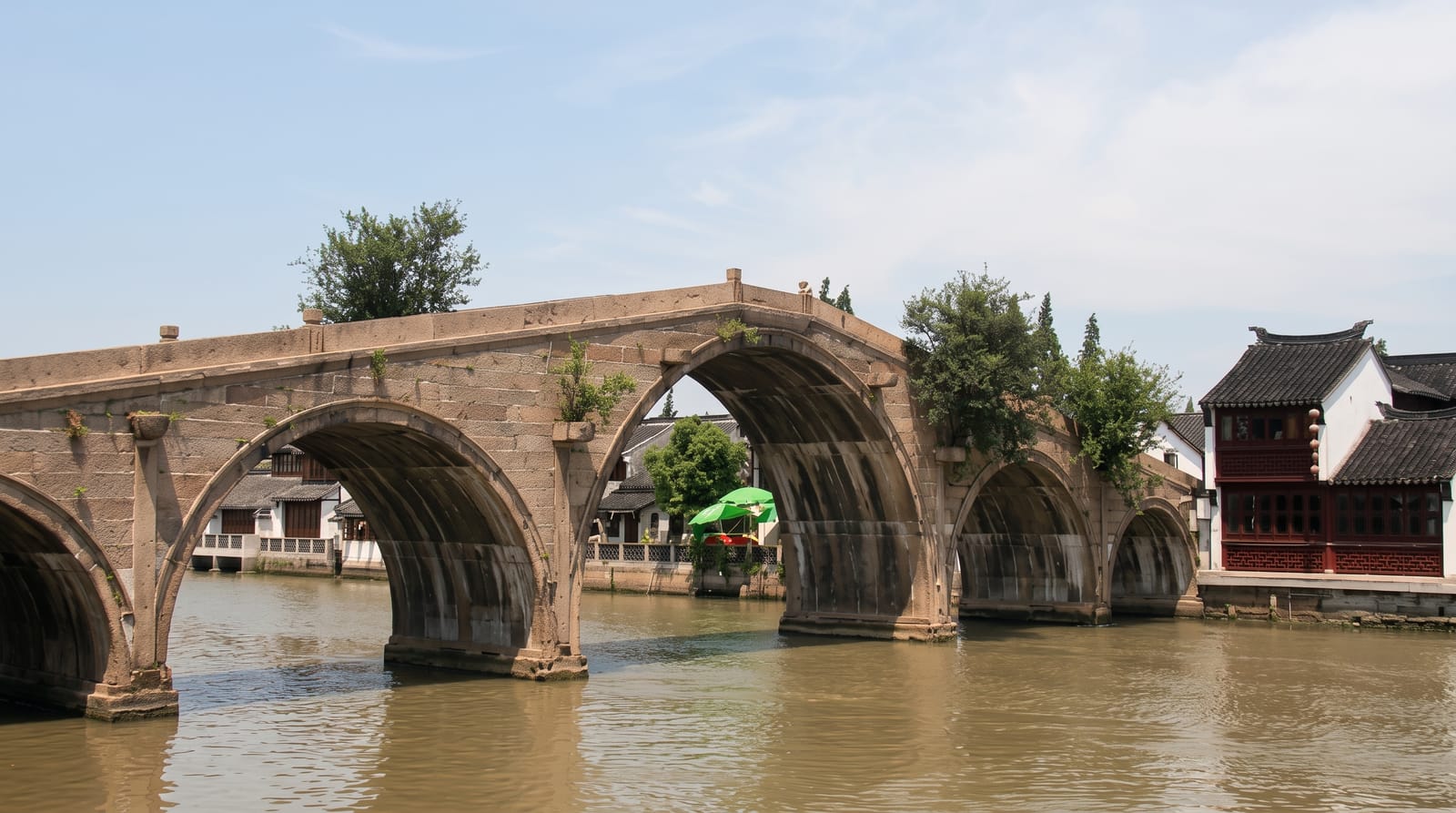
A canal town within Shanghai's boundaries, with a five-arch Ming bridge and lanes of Qing shopfronts along the water.
Updated 4 September 2026
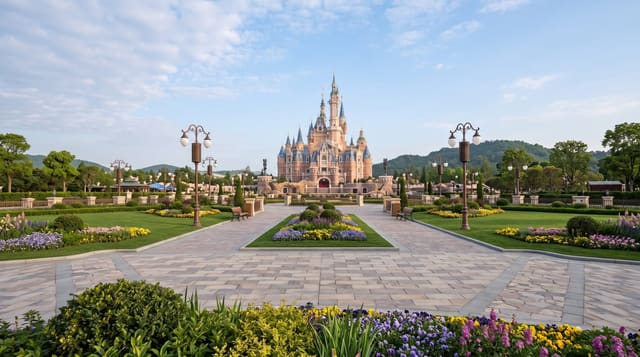
AI illustration
Zhujiajiao developed as a market town on the canals west of Shanghai and prospered in the Ming and Qing on rice and cloth trading. What survives is a compact old quarter of thirty-six stone bridges, canals lined with whitewashed houses and Qing-era shopfronts, and narrow lanes behind them. The Fangsheng Bridge, built in 1571, is the largest stone arch bridge in the Shanghai area, five arches spanning the main canal, and traditionally a place for releasing fish. Boats punt visitors along the canals. Being reachable by metro makes it the easiest water town to visit from Shanghai, and correspondingly the busiest at weekends.
Highlights
- Fangsheng Bridge - the five-arch stone bridge of 1571 over the main canal.
- The canal lanes - whitewashed houses and shopfronts along the water.
- The boat rides - punted trips through the town's waterways.
- The Kezhi Garden - a private garden and residence in the old town.
When to go
March to May and September to November for comfortable weather; weekends and holidays fill the lanes to capacity. Early morning on a weekday is a different experience entirely. The metro connection makes an easy half day.
Before you go
The town is small and heavily commercialised, with most buildings converted to shops selling similar goods. Weekend crowds are severe. Individual attractions charge separately or through a combined ticket that many visitors do not need.
Nearby
Central Shanghai lies east; other water towns such as Tongli and Xitang are further out.
What to pack for Zhujiajiao Water Town
Chosen from what this place is for. Tap a kit for the full checklist.
- Comfortable walking shoes - Sightseeing means kilometres of pavement and cobbles daily. Find on Amazon
- A slim anti-theft daypack - Zips that close properly; keep it in front in crowds and on transit. Find on Amazon
- A refillable water bottle - Many cities have public fountains; save money and plastic. Find on Amazon
- A light layer + compact umbrella - For museum air-con and a sudden shower. Find on Amazon
Some links on this page are Amazon affiliate links - if you buy through them we may earn a small commission at no extra cost to you.
All packing kitsPlan your trip
Where to start if Zhujiajiao Water Town is going on the list.
Booking links on this page are affiliate links - if you book through them we may earn a small commission at no extra cost to you. It never changes what we write about a place.
Opening times, ticket prices and seasonal closures change - check the official source before you go: official site.