Zhoukoudian Peking Man Site
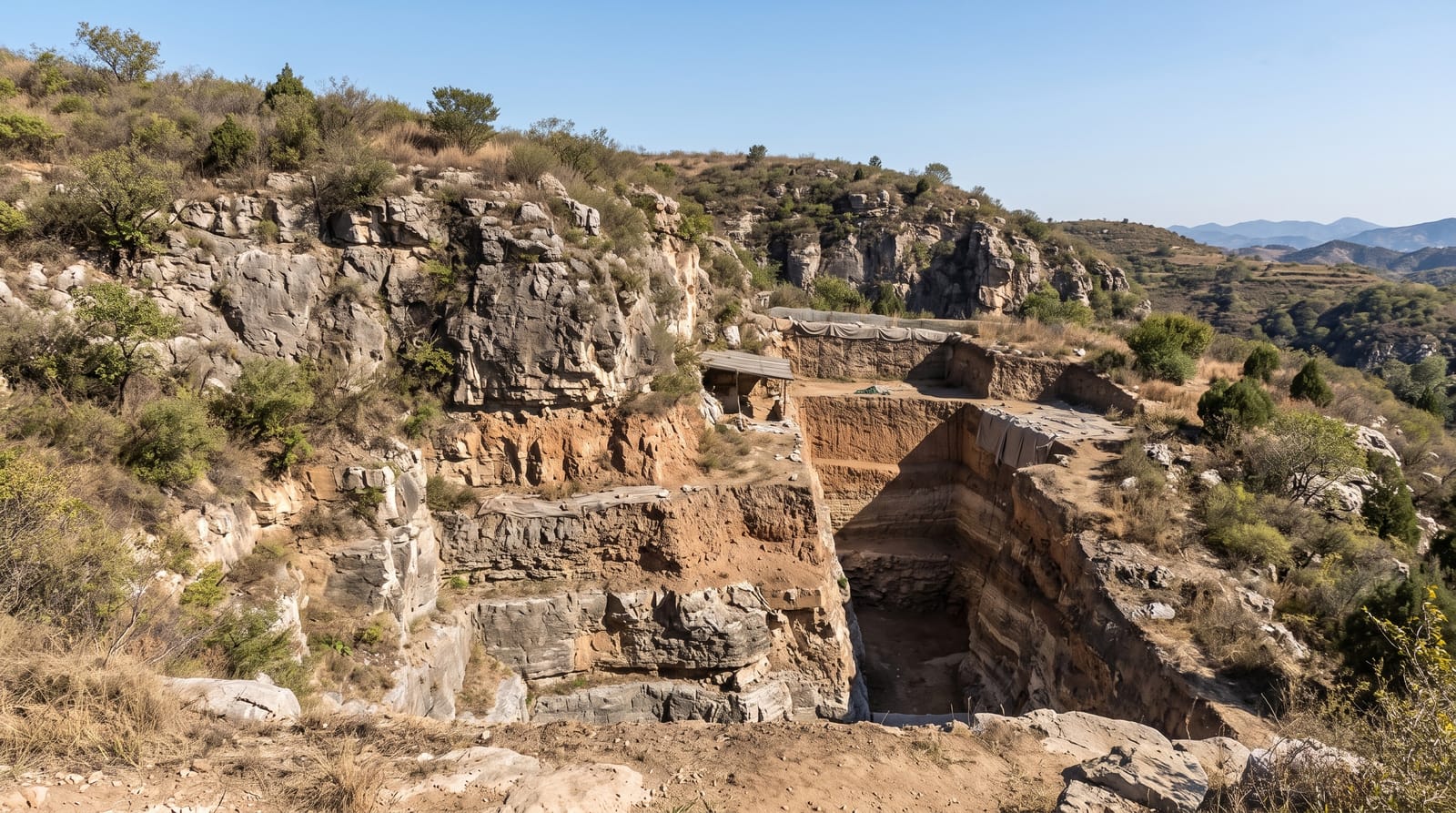
The limestone caves where Homo erectus remains of about 45 individuals were found from the 1920s.
Updated 20 October 2026
AI illustration
UNESCO World Heritage
Excavations at Zhoukoudian from 1921 uncovered fossils of Homo erectus from about 45 individuals, along with stone tools and evidence interpreted as the use of fire; the proposed dates differ widely, from as much as 700,000 to 200,000 years ago, or no earlier than 530,000 years ago. The finds were called Peking Man, and their study reshaped understanding of human evolution in Asia. The original fossils vanished in 1941 while being moved for safekeeping and have never been found, so what survives are casts, later finds and the site itself, which was inscribed as UNESCO World Heritage in 1987. A museum interprets the excavation and the caves are viewed on marked paths.
What to look for
- The excavation caves - the limestone fissures where the fossils were found.
- The museum - casts, tools and the story of the excavations and the lost fossils.
- The site paths - marked routes around the hillside dig areas.
- The scientific history - the 1920s and 1930s work that defined Peking Man.
When to go
April to May and September to October for comfortable weather; the site is largely outdoors and exposed. It is quiet on weekdays. The museum keeps standard hours and closes on Mondays.
What to expect
The original fossils are lost and only casts are displayed, which disappoints some visitors. The caves themselves are excavated voids rather than dramatic caverns. English interpretation is limited and the site is a long way from central Beijing.
Nearby
Shidu lies further southwest; central Beijing is northeast.
Key facts
Source: Wikidata, item Q499552, read on 18 October 2026.
What to pack for Zhoukoudian Peking Man Site
Chosen from what this place is for. Tap a kit for the full checklist.
- Head torch + spare batteries - Hands-free light is essential; caves are truly dark. Find on Amazon
- Comfortable walking shoes - Sightseeing means kilometres of pavement and cobbles daily. Find on Amazon
- Grippy closed shoes - Cave floors are wet, muddy and slick with formations. Find on Amazon
- A slim anti-theft daypack - Zips that close properly; keep it in front in crowds and on transit. Find on Amazon
Some links on this page are Amazon affiliate links - if you buy through them we may earn a small commission at no extra cost to you.
All packing kitsPlan your trip
Where to start if Zhoukoudian Peking Man Site is going on the list.
Booking links on this page are affiliate links - if you book through them we may earn a small commission at no extra cost to you. It never changes what we write about a place.
Opening times, ticket prices and seasonal closures change - check the official source before you go: official site.


